
 WhatsApp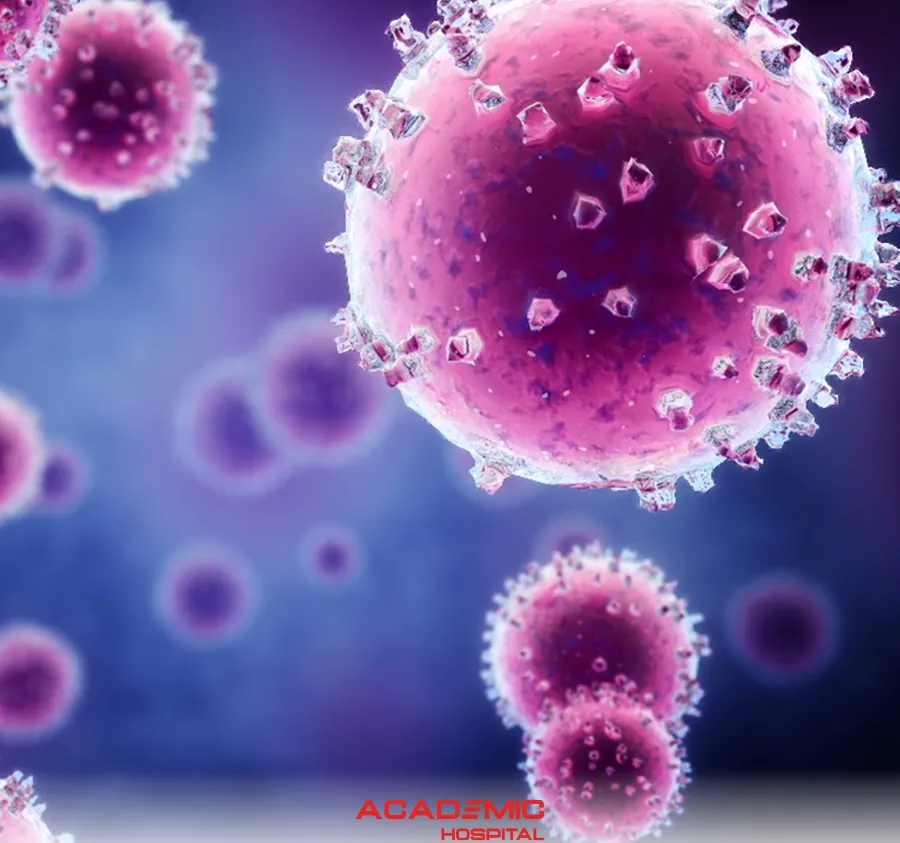
What Is RSV? Symptoms, Transmission, Treatment and Prevention
Contents
- What Is RSV?
- What Problems Can RSV Cause in Babies?
- Who Is at Higher Risk of Severe RSV?
- What Are the Symptoms of RSV?
- How Does RSV Spread?
- How Is RSV Diagnosed?
- How Is RSV Treated?
- Which Symptoms Require Urgent Assessment?
- How Can RSV Be Prevented?
- What Are RSV Vaccines and Preventive Antibodies?
- Does RSV Cause Asthma Later in Life?
- Frequently Asked Questions
Respiratory syncytial virus (RSV) is a very common respiratory virus that can infect the nose, throat and lungs. Most children encounter RSV during the first years of life.
Most RSV infections cause mild, cold-like illness. In young infants, however, RSV can cause serious lower respiratory tract infections including bronchiolitis and pneumonia.
What Is RSV?
RSV is an RNA virus belonging to the Pneumoviridae family. It infects cells throughout the human respiratory tract.
It can affect:
- The nose and throat
- The bronchi
- The small airways called bronchioles
- The lungs
RSV infection does not produce complete lifelong immunity. Reinfection can therefore occur throughout childhood and adulthood.
What Problems Can RSV Cause in Babies?
In babies and young children RSV can cause:
- Upper respiratory tract infection
- Bronchiolitis
- Pneumonia
- Middle-ear infection
- Wheezing
Bronchiolitis is inflammation and narrowing of the small airways, usually caused by a viral infection in children under 2 years of age. RSV is one of its most important causes.
Mild cases may produce only a runny nose and cough, whereas severe disease can cause difficulty breathing, poor feeding and low blood oxygen levels.
Who Is at Higher Risk of Severe RSV?
Risk is higher particularly in:
- Very young infants
- Babies born prematurely
- Children with chronic lung disease
- Children with haemodynamically significant congenital heart disease
- Children with weakened immune systems
- Children with neuromuscular disorders or congenital abnormalities that interfere with clearing airway secretions
- Some children with severe cystic fibrosis
Previously healthy young infants can nevertheless also require hospital treatment for RSV.
What Are the Symptoms of RSV?
Common symptoms include:
- Runny nose
- Nasal congestion
- Cough
- Sneezing
- Fever
- Reduced appetite or feeding
- Wheezing
- Rapid or difficult breathing
Very young infants may have less typical symptoms and can instead develop:
- Irritability
- Reduced activity
- Feeding difficulty
- Apnoea, or pauses in breathing
How Does RSV Spread?
RSV can spread through respiratory secretions released when an infected person coughs or sneezes.
Transmission can also occur through:
- Close personal contact
- Contaminated hands
- Contaminated toys and frequently touched surfaces
followed by touching the eyes, nose or mouth.
Most people are contagious for several days. Some infants and immunocompromised individuals may continue shedding the virus for considerably longer.
How Is RSV Diagnosed?
Typical bronchiolitis can often be diagnosed from the history and physical examination without laboratory confirmation.
RSV testing is not required for every child.
When identifying the virus is clinically useful, respiratory samples can be tested using:
- PCR or other nucleic-acid amplification tests
- RSV antigen tests
PCR-based methods are highly sensitive for detecting RSV.
Testing is generally considered when the result can influence patient management, hospital infection control or other clinical decisions.
How Is RSV Treated?
Most RSV infections resolve without specific antiviral treatment. Management is mainly supportive.
For mild disease this may include:
- Maintaining adequate fluids and feeding
- Managing nasal obstruction appropriately
- Monitoring breathing and general condition
- Appropriate management of fever and discomfort when required
Children who require hospital treatment may need:
- Supplemental oxygen
- Fluid or feeding support
- Advanced respiratory support in severe disease
Which Symptoms Require Urgent Assessment?
Prompt medical assessment is required if a baby or child develops:
- Significant difficulty breathing
- Marked chest recession
- Very rapid breathing
- Blue or grey lips or skin
- Pauses in breathing
- Inability to feed or drink adequately
- Marked drowsiness or difficulty waking
- Signs of dehydration such as markedly reduced urine output
Breathing difficulty, poor feeding, cyanosis or pauses in breathing in a very young infant should be assessed without delay.
How Can RSV Be Prevented?
Measures that help reduce RSV transmission include:
- Regular handwashing with soap and water
- Covering coughs and sneezes
- Avoiding touching the eyes, nose and mouth with unwashed hands
- Cleaning frequently touched surfaces and toys
- Reducing close contact between young babies and people with respiratory symptoms
- Avoiding kissing babies while ill
- Keeping babies and children away from tobacco smoke
During periods of high RSV circulation, reducing unnecessary exposure to crowded indoor environments may be reasonable for very young or high-risk infants.
What Are RSV Vaccines and Preventive Antibodies?
Options for protecting infants against severe RSV disease have changed substantially in recent years.
Two main preventive strategies are now used internationally:
Maternal RSV Vaccination
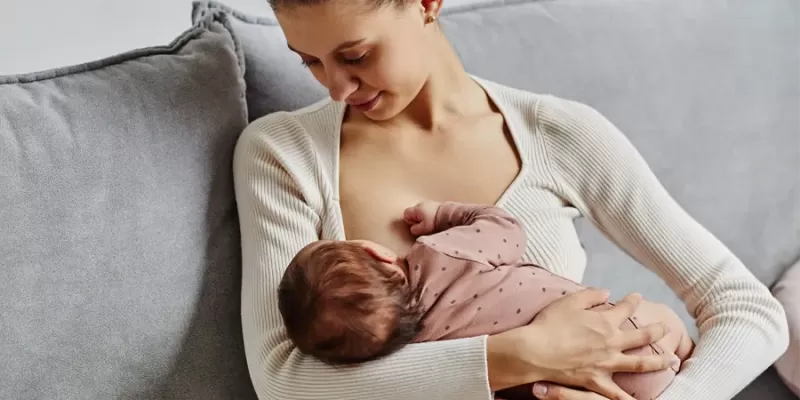
An RSV vaccine administered during pregnancy is intended to stimulate the mother's immune system to produce antibodies that cross the placenta and help protect the infant during the first months of life.
Monoclonal Antibodies for Infants
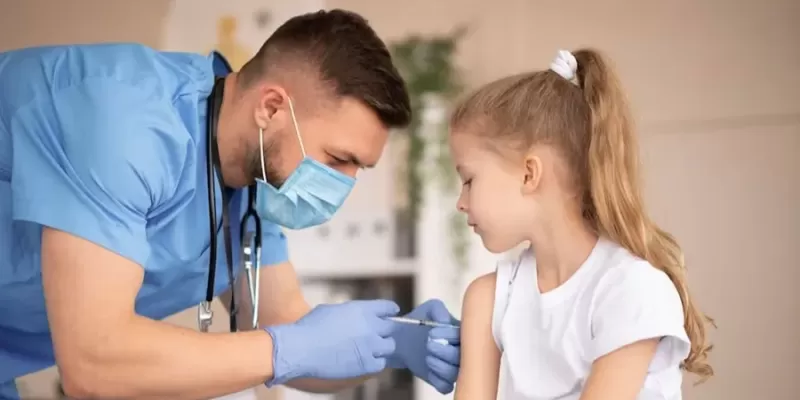
Long-acting antibodies such as nirsevimab and clesrovimab provide ready-made antibodies directly to the infant.
They are not vaccines. Rather than stimulating the infant's immune system to produce its own antibodies, they provide passive protection.
Palivizumab is an older RSV monoclonal antibody that can be administered in repeated doses to selected high-risk infants and young children.
The World Health Organization recommends that countries introduce appropriate infant protection strategies using maternal RSV vaccination or long-acting monoclonal antibodies.
Does RSV Cause Asthma Later in Life?
Children who have severe RSV lower respiratory tract disease in infancy have higher rates of recurrent wheezing and asthma later in childhood.
However, this association does not prove that RSV itself is the sole direct cause of asthma.
Genetic susceptibility, underlying airway characteristics, environmental exposures and immune responses may all contribute to the association.
Have Your Baby's Breathing Assessed
Cough, wheezing, rapid breathing, feeding difficulty or respiratory distress in a baby can be assessed by a paediatric healthcare professional.
Frequently Asked Questions
References
- Academic Hospital. Respiratuvar Sinsityal Virüs Enfeksiyonları (RSV)
- World Health Organization. Respiratory Syncytial Virus (RSV)
- World Health Organization. WHO Position Paper on Immunization to Protect Infants Against RSV
- Centers for Disease Control and Prevention. Clinical Overview of RSV
- Centers for Disease Control and Prevention. Diagnostic Testing for RSV
- National Institute for Health and Care Excellence. Bronchiolitis in Children: Diagnosis and Management