
 WhatsApp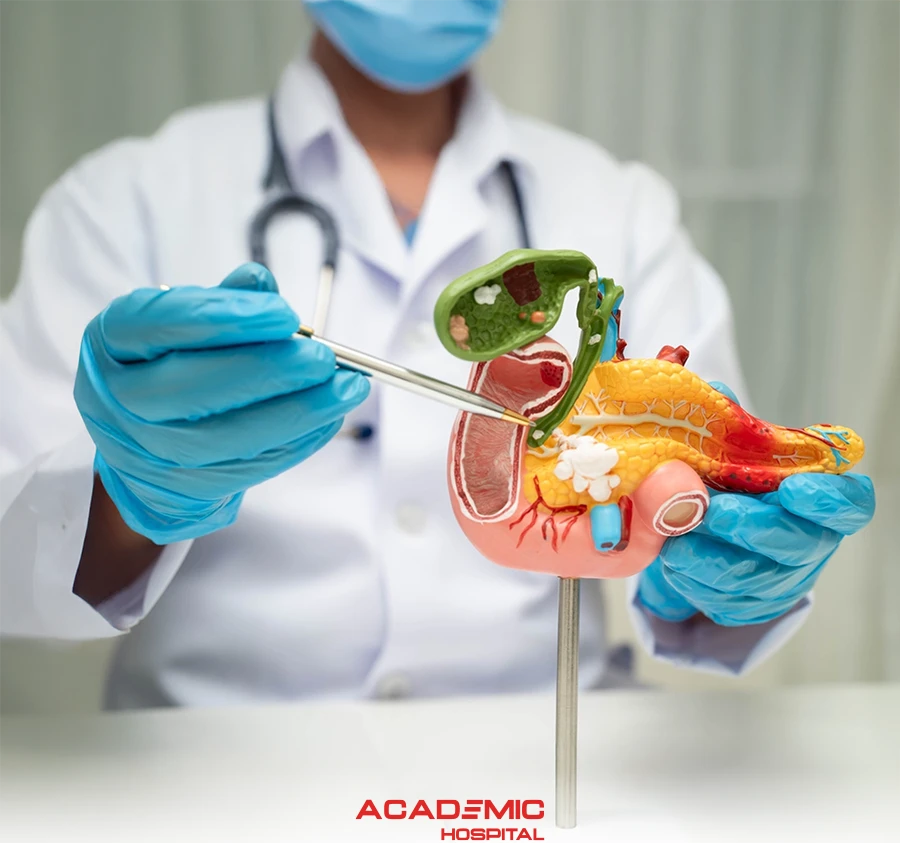
What Is Cholecystectomy? Why Is Gallbladder Removal Surgery Performed?
Contents
What Is Cholecystectomy?
Cholecystectomy is the complete surgical removal of the gallbladder. Today, this surgery is mostly performed with the laparoscopic, or minimally invasive, method.
The gallbladder is an organ that stores bile produced by the liver. It is not vital; after it is removed, bile flows directly into the intestines and the digestive system usually adapts within a short time.
You can contact us for evaluation of gallstones, biliary colic or cholecystectomy.
Book an AppointmentWhy Is Cholecystectomy Performed?
Cholecystectomy is performed when conditions that may impair gallbladder function or cause serious health problems develop. The main purpose of this operation is to eliminate recurrent biliary pain, treat inflammation and infections, and prevent life-threatening complications.
What Are the Most Common Reasons for Gallbladder Surgery?
- Gallstones: The most common reason for gallbladder surgery. Stones can block bile flow and cause severe abdominal pain, nausea and vomiting, especially after meals.
- Gallbladder inflammation (cholecystitis): It usually develops due to stones. If not treated, infection may spread and urgent, life-threatening conditions such as gallbladder perforation may occur.
- Recurrent biliary colic: Even small stones may cause frequent pain attacks. In this case, cholecystectomy may be recommended as a long-term solution.
- Gallbladder polyps: Surgical treatment may be preferred especially for polyps 1 cm or larger because of increased gallbladder cancer risk. The decision is made according to polyp size, growth rate, accompanying risks and physician evaluation.
- Gallbladder functional disorder (biliary dyskinesia): Severe and recurrent pain may occur when the gallbladder does not function properly despite the absence of stones. Surgery may be considered in this situation.
- Prevention of complications: Cholecystectomy may be performed to prevent serious conditions such as bile duct obstruction, pancreatitis and jaundice.
If the gallbladder causes pain, becomes inflamed or creates risk, the permanent and effective solution is often cholecystectomy. Delaying surgery may lead to more serious health problems requiring urgent intervention.
What Happens After Gallbladder Removal?
After gallbladder removal, bile flows from the liver into the intestines without being stored. In most people, the digestive system adapts to this new pattern in a short time. In the early postoperative period, fatty foods may increase bloating, gas or diarrhea in some people; therefore, nutrition should be arranged according to the physician’s recommendations.
Evaluation for Gallbladder Surgery
Specialist evaluation is important in suspected gallstones, recurrent biliary colic, cholecystitis, polyps or bile duct complications.
Frequently Asked Questions
References
- Mayo Clinic. Cholecystectomy (Gallbladder Removal)
- Cleveland Clinic. Cholecystectomy: Surgery & Recovery
- NIDDK. Treatment for Gallstones
- SAGES. Guidelines for Laparoscopic Biliary Tract Surgery