

 WhatsApp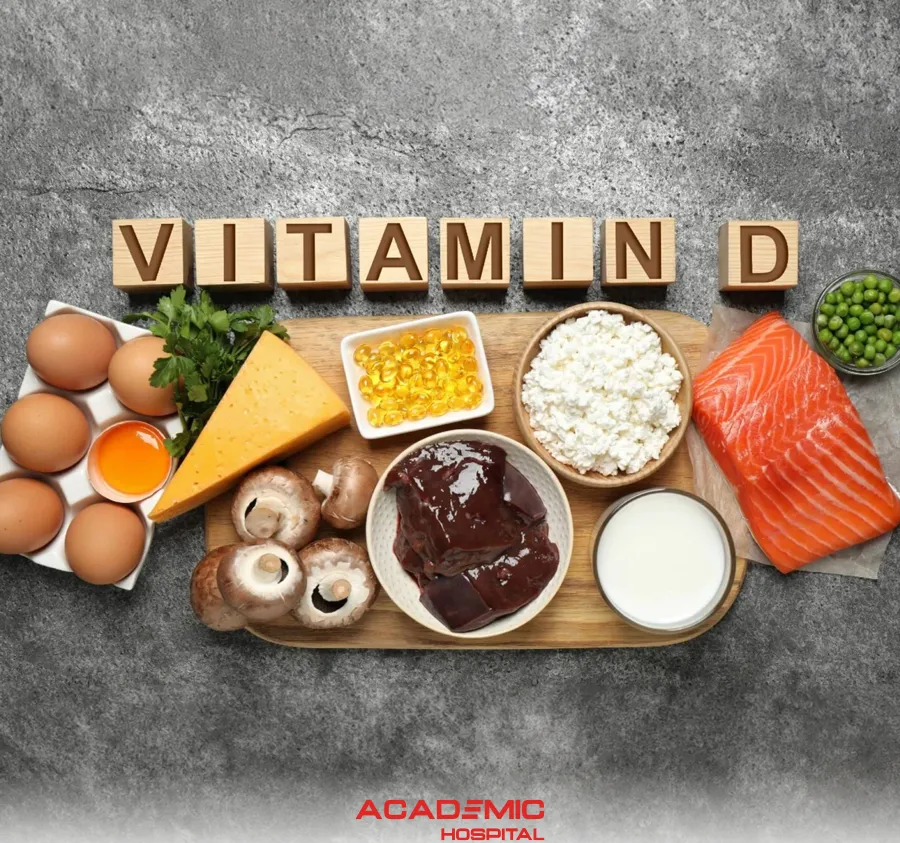
What Is Vitamin D? Deficiency, Sources and Safe Use
Contents
- What Is Vitamin D?
- What Does Vitamin D Do?
- Which Foods Contain Vitamin D?
- How Is Vitamin D Produced in the Body?
- How Much Sun Exposure Is Needed?
- What Is Vitamin D Deficiency?
- What Are the Symptoms of Deficiency?
- Who Is at Risk?
- How Is Vitamin D Measured?
- What Vitamin D Level Is Appropriate?
- Does Vitamin D Boost Immunity?
- Does Vitamin D Deficiency Cause Depression?
- How Is Deficiency Treated?
- What Is Vitamin D Toxicity?
- Should Everyone Be Tested?
- Frequently Asked Questions
What Is Vitamin D?
Vitamin D is a fat-soluble vitamin with an essential role in calcium and phosphate metabolism and normal bone mineralisation.
Unlike most vitamins, vitamin D can be produced in the skin when it is exposed to UVB radiation from sunlight. It is also naturally present in a limited number of foods, may be added to fortified foods and can be taken as a supplement when appropriate.
Vitamin D is converted in the liver to 25-hydroxyvitamin D [25(OH)D] and subsequently, particularly in the kidneys, to the biologically active form 1,25-dihydroxyvitamin D.
What Does Vitamin D Do?
The best-established physiological roles of vitamin D relate to bone and mineral metabolism.
- Calcium absorption: Vitamin D helps regulate intestinal calcium absorption.
- Phosphate metabolism: It supports normal bone mineralisation together with calcium.
- Bone health: It is required for normal skeletal development in children and maintenance of bone health in adults.
- Muscle function: Vitamin D contributes to normal muscle function.
- Immune function: Vitamin D receptors are present on immune cells and vitamin D participates in normal regulation of immune responses.
Which Foods Contain Vitamin D?
Relatively few foods naturally contain substantial amounts of vitamin D.
Important sources include:
- Fatty fish such as salmon, mackerel, sardines and trout
- Fish liver oils
- Egg yolk
- Certain mushrooms, particularly UV-exposed mushrooms
- Milk, plant-based drinks or other foods fortified with vitamin D
Whether milk or dairy products provide meaningful vitamin D depends on whether the product is fortified.
Red meat can contain small amounts of vitamin D but is not as rich a source as fatty fish.
How Is Vitamin D Produced in the Body?
UVB radiation converts a precursor called 7-dehydrocholesterol in the skin through a series of reactions that produce vitamin D3, or cholecalciferol.
Vitamin D3 is then converted in the liver to 25(OH)D and subsequently to its active hormonal form, particularly in the kidneys.
Glass blocks most UVB radiation, so sunlight through a closed window is generally ineffective for meaningful cutaneous vitamin D synthesis.
How Much Sun Exposure Is Needed?
There is no universal recommendation that everyone should spend a fixed number of minutes in midday sunlight several times per week.
Vitamin D production varies according to season, latitude, time of day, skin pigmentation, age, clothing, sunscreen use, cloud cover and other environmental factors.
Unprotected UV exposure sufficient to cause sunburn should not be used as a vitamin D strategy because cumulative UV radiation increases skin-cancer and photo-ageing risk.
Vitamin D requirements should therefore be considered through a combination of diet, appropriate supplementation when indicated and individual clinical circumstances.
What Is Vitamin D Deficiency?
Vitamin D deficiency can impair calcium and phosphate metabolism and interfere with normal bone mineralisation.
Severe and prolonged deficiency can cause rickets in children and osteomalacia in adults.
Rickets should not be regarded as a condition that simply resolves by spending more time in the sun. Diagnosis should prompt assessment of vitamin D, calcium intake and potential underlying causes followed by appropriate treatment.
What Are the Symptoms of Vitamin D Deficiency?
Mild vitamin D insufficiency may produce no symptoms.
More severe or prolonged deficiency can be associated with bone pain, muscle weakness, impaired skeletal development in children and osteomalacia-related tenderness or fracture risk.
Fatigue, hair loss and mood symptoms are nonspecific and can occur in many conditions, so vitamin D deficiency cannot be diagnosed from these symptoms alone.
Who Is at Higher Risk of Vitamin D Inadequacy?
Higher-risk groups can include people with little sun exposure, older adults, people with darker skin pigmentation, individuals with fat-malabsorption disorders, people who have undergone certain bariatric procedures, those with obesity, selected patients with liver or kidney disease and people taking medicines that affect vitamin D metabolism.
How Is Vitamin D Measured?
The standard blood test used to assess vitamin D status is serum 25-hydroxyvitamin D [25(OH)D].
The active hormone 1,25-dihydroxyvitamin D is not generally used to assess body vitamin D stores and is reserved for selected clinical situations.
What Vitamin D Level Is Appropriate?
Interpretation of 25(OH)D depends on the clinical situation and guideline used.
According to the NIH/NASEM framework:
- Below 12 ng/mL: Associated with vitamin D deficiency and risk to bone health.
- 12–20 ng/mL: May be inadequate for some people.
- 20 ng/mL or above: Considered adequate for bone health in most healthy people.
- Persistently above 50 ng/mL: May warrant caution regarding potential adverse effects.
The 2024 Endocrine Society guideline also emphasises that clinical trials have not established a single optimal 25(OH)D concentration for disease prevention in otherwise healthy people.
Does Vitamin D Boost Immunity?
Vitamin D participates in normal immune regulation.
However, it is not accurate to state that adequate vitamin D prevents infections or that high-dose supplementation generally boosts immunity.
Current guidance does not support routine vitamin D supplementation above recommended dietary intake in healthy adults solely for broad disease prevention.
Does Vitamin D Deficiency Cause Depression?
Observational studies have reported an association between lower vitamin D levels and depression or mood disorders.
An association does not establish that vitamin D deficiency directly causes depression.
Depression is a multifactorial condition, and vitamin D supplementation should not replace evidence-based assessment or treatment for depression.
How Is Vitamin D Deficiency Treated?
Treatment depends on age, measured 25(OH)D concentration, dietary intake, underlying disease, malabsorption and medication use.
Vitamin D2 or vitamin D3 may be used. Vitamin D3 is commonly used and may raise 25(OH)D more effectively than vitamin D2 in some settings.
Doses used to treat confirmed deficiency can differ from routine recommended daily intakes, so high-dose preparations should not be used without appropriate guidance.
What Is Vitamin D Toxicity?
Vitamin D toxicity is most often caused by prolonged excessive use of supplements rather than normal sun exposure.
The principal complication is hypercalcaemia.
Symptoms can include nausea, vomiting, poor appetite, excessive thirst, frequent urination, muscle weakness, confusion, kidney stones, kidney injury and, in severe cases, cardiac rhythm disturbances.
Marked vitamin D toxicity is commonly associated with very high 25(OH)D concentrations, often above approximately 150 ng/mL, together with hypercalcaemia.
Should Everyone Be Tested for Vitamin D?
No. Routine 25(OH)D screening is not recommended for all otherwise healthy adults without specific indications.
Testing may be appropriate when there is clinical concern for rickets, osteomalacia, hypocalcaemia, selected bone disorders, malabsorption or certain kidney, liver or medication-related conditions.
The Goal Is an Appropriate Vitamin D Level, Not the Highest Possible Level
Vitamin D assessment should take age, diet, sunlight exposure, bone health, medical conditions and medicines into account. Testing and supplementation can be individualised when clinically indicated.
Frequently Asked Questions
References
- Academic Hospital. The Role of Vitamin D
- NIH Office of Dietary Supplements. Vitamin D – Fact Sheet for Health Professionals
- Endocrine Society. Vitamin D for the Prevention of Disease Clinical Practice Guideline