
 WhatsApp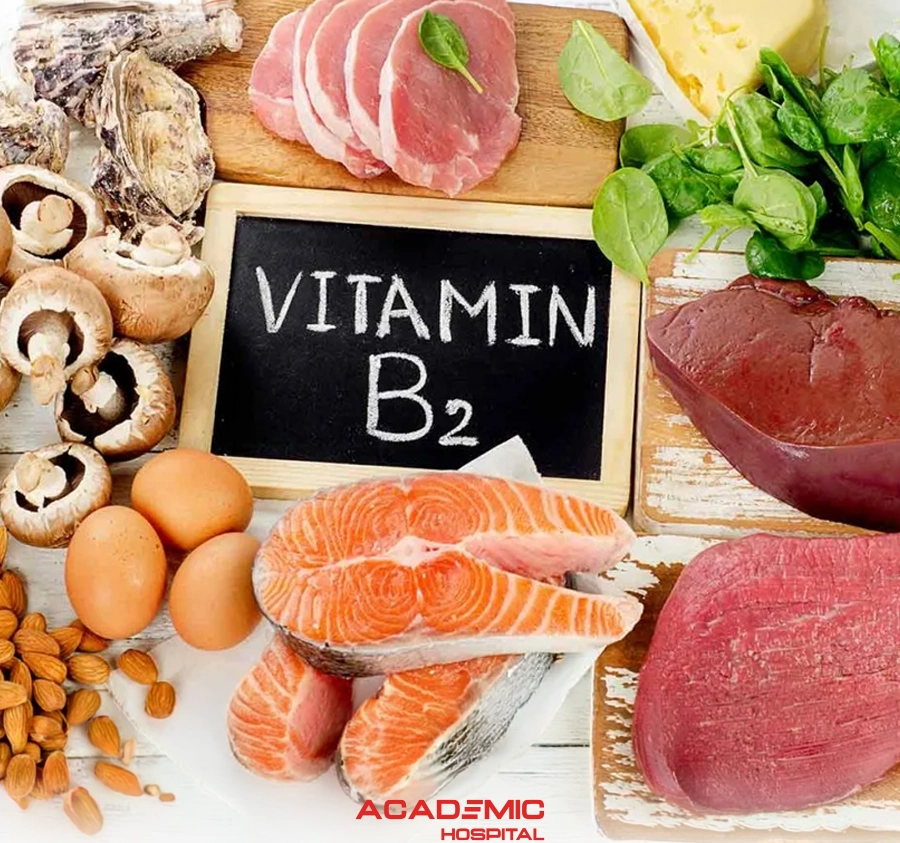
What Is Vitamin B12? Deficiency, Symptoms, Causes and Treatment
Contents
- What Is Vitamin B12?
- What Does Vitamin B12 Do?
- Which Foods Contain Vitamin B12?
- How Much Vitamin B12 Is Needed?
- What Is Vitamin B12 Deficiency?
- What Are the Symptoms?
- What Causes Vitamin B12 Deficiency?
- Who Is at Higher Risk?
- How Is Vitamin B12 Deficiency Diagnosed?
- Does B12 Deficiency Always Cause Anaemia?
- How Does B12 Deficiency Affect the Nervous System?
- Does Vitamin B12 Increase Energy?
- How Is B12 Deficiency Treated?
- When Are B12 Injections Needed?
- Vitamin B12 and Vegan Diets
- When Is Prompt Assessment Needed?
- Frequently Asked Questions
What Is Vitamin B12?
Vitamin B12, also known as cobalamin, is a water-soluble B vitamin.
It is required for healthy red blood cell formation, DNA synthesis, development and normal function of the nervous system.
The human body cannot manufacture vitamin B12, so it must be obtained from food, fortified products or supplements when necessary.
Absorption of food-bound vitamin B12 involves several steps in the stomach and small intestine. Intrinsic factor, produced in the stomach, is important for absorption in the terminal ileum.
What Does Vitamin B12 Do?
Vitamin B12 is required for:
- Normal red blood cell formation
- DNA synthesis
- Normal central and peripheral nervous system function
- Maintenance of myelin
- Methionine and homocysteine metabolism
- Certain amino-acid and fatty-acid metabolic pathways
Which Foods Contain Vitamin B12?
Vitamin B12 occurs naturally mainly in foods of animal origin.
- Liver and other organ meats
- Fish and shellfish
- Red meat
- Poultry
- Eggs
- Milk, yogurt and cheese
Plant foods are not naturally reliable sources of vitamin B12. People following vegan diets can obtain B12 from fortified foods or appropriate supplements.
How Much Vitamin B12 Is Needed?
Recommended daily intake varies with age and physiological status.
- Ages 14 and older: 2.4 micrograms
- Pregnancy: 2.6 micrograms
- Breastfeeding: 2.8 micrograms
Treatment doses for confirmed deficiency can be substantially higher than normal dietary requirements.
What Is Vitamin B12 Deficiency?
Vitamin B12 deficiency can develop when intake is inadequate or when absorption or utilisation is impaired.
Because the body stores vitamin B12, deficiency can take considerable time to become clinically apparent.
Deficiency can affect blood-cell production and the nervous system. Delayed treatment of significant neurological involvement can result in incomplete recovery.
What Are the Symptoms of Vitamin B12 Deficiency?
- Fatigue and weakness
- Pale skin
- Shortness of breath or palpitations
- Dizziness
- Pins and needles or numbness
- Balance problems
- Difficulty walking
- Muscle weakness
- Memory or concentration problems
- A sore or inflamed tongue
These symptoms are not specific to vitamin B12 deficiency, so diagnosis should be based on clinical assessment and appropriate testing.
What Causes Vitamin B12 Deficiency?
Vitamin B12 deficiency is not always caused by diet.
Causes can include:
- Low dietary B12 intake, particularly an unsupplemented vegan diet
- Autoimmune gastritis with impaired intrinsic-factor function
- Gastrectomy or certain bariatric procedures
- Diseases or surgery affecting the terminal ileum
- Coeliac disease and other causes of malabsorption
- Medicines including metformin and proton-pump inhibitors
- Nitrous oxide exposure, which can impair B12 function
Who Is at Higher Risk?
Higher-risk groups include people following vegan diets, older adults, people with autoimmune gastritis, malabsorption disorders, previous gastric or terminal-ileal surgery, and those taking medicines that can interfere with vitamin B12 status.
How Is Vitamin B12 Deficiency Diagnosed?
Assessment should consider symptoms, diet, medicines and any history of gastrointestinal disease or surgery.
Total serum B12 or active B12 can be used as an initial test.
Under NICE guidance, total B12 results may be interpreted as:
- Below 180 ng/L: confirmed vitamin B12 deficiency
- 180–350 ng/L: indeterminate result and possible deficiency
- Above 350 ng/L: deficiency less likely
Laboratory reference ranges and assays vary. Serum methylmalonic acid or plasma homocysteine may be useful when the initial result is indeterminate.
Does B12 Deficiency Always Cause Anaemia?
No.
Vitamin B12 deficiency can cause megaloblastic anaemia, but neurological manifestations can occur without anaemia or an elevated MCV.
A normal haemoglobin or MCV therefore does not exclude B12 deficiency when the clinical picture is suggestive.
How Does Vitamin B12 Deficiency Affect the Nervous System?
Vitamin B12 is required for normal neurological function and myelin integrity.
Deficiency can result in numbness, tingling, sensory loss, impaired balance, gait disturbance, peripheral neuropathy, spinal-cord involvement and cognitive symptoms.
Does Vitamin B12 Increase Energy?
Vitamin B12 is required for normal metabolic pathways.
When deficiency causes anaemia or other metabolic effects, correcting the deficiency can improve fatigue and weakness.
However, extra vitamin B12 has not been shown to increase energy or physical performance in people who already have adequate B12 status.
How Is Vitamin B12 Deficiency Treated?
Treatment depends on the cause and severity of deficiency.
Options include oral vitamin B12, intramuscular vitamin B12, improving dietary intake and investigating or treating the underlying cause of malabsorption.
Symptoms may begin to improve within weeks after treatment starts, although complete neurological recovery can take considerably longer.
When Are Vitamin B12 Injections Needed?
Not everyone with low B12 requires injections.
Intramuscular treatment may be preferred in autoimmune gastritis, total gastrectomy, complete terminal-ileal resection, significant malabsorption or selected patients with serious neurological or haematological manifestations.
People with irreversible causes such as autoimmune gastritis, total gastrectomy or complete terminal-ileal resection may require lifelong intramuscular replacement.
Vitamin B12 and Vegan Diets
Because reliable natural dietary sources of vitamin B12 are predominantly animal-derived, people following a vegan diet should ensure adequate intake through fortified foods or appropriate supplements.
However, vitamin B12 deficiency in a vegan or vegetarian person should not automatically be assumed to be caused only by diet; malabsorption and other causes may still need consideration.
When Is Prompt Medical Assessment Needed?
- New or worsening gait problems
- Marked balance problems or falls
- Progressive numbness in the hands or feet
- Muscle weakness
- Significant neurological or cognitive changes
- Severe fatigue, shortness of breath or palpitations suggestive of significant anaemia
Finding the Cause Is as Important as Correcting the B12 Level
Dietary deficiency, malabsorption, gastrointestinal surgery and certain medicines can all contribute to vitamin B12 deficiency. Treatment should be tailored to the cause and clinical manifestations.
Frequently Asked Questions
References
- Academic Hospital. Vitamin B12
- NIH Office of Dietary Supplements. Vitamin B12 – Fact Sheet for Health Professionals
- National Institute for Health and Care Excellence. Vitamin B12 Deficiency in Over 16s: Diagnosis and Management