
 WhatsApp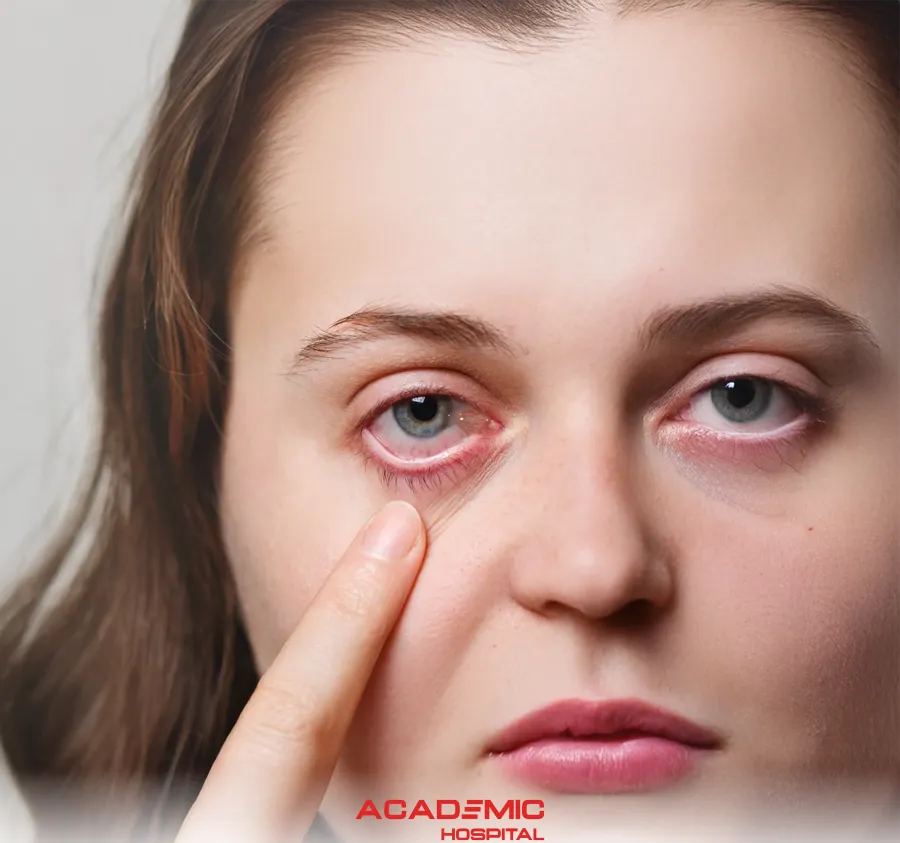
What Is Pterygium? Symptoms, Causes and Treatment Methods
Contents
What Is Pterygium?
Pterygium is a common eye surface condition. It is often called “surfer’s eye” or a “fleshy growth on the eye.” It is a triangular tissue growth that begins on the white part of the eye, the conjunctiva, and may extend toward the cornea.
It usually appears on the side of the eye closer to the nose. At first, it may cause only cosmetic concern or mild redness and irritation; however, when it grows onto the cornea, it may induce astigmatism, blurred vision or affect the visual axis.
What Causes Pterygium?
Although the exact cause is not fully known, long-term exposure of the ocular surface to environmental factors is considered important. Main risk factors include:
- Intense and long-term exposure to UV light
- Living or working in dusty, windy and dry environments
- Dry eye and chronic ocular surface irritation
- Long periods of outdoor work or outdoor sports
- Genetic predisposition and family history
Who Gets Pterygium?
Pterygium may occur at any age, but it is more common in people who are exposed to sunlight, dust and wind for long periods. Outdoor workers, people in agriculture or maritime occupations, those living in dry and hot climates and people who do not regularly use UV protection may be at higher risk.
In people with insufficient tear production, the ocular surface may become more vulnerable and more easily affected by external factors. People with a family history of pterygium may also have a higher likelihood of developing it.
You can contact us for evaluation if you notice a fleshy growth, redness, irritation or blurred vision.
Book an AppointmentWhat Are the Symptoms of Pterygium?
Pterygium usually progresses slowly. It may not affect vision at first, but ocular surface complaints may increase over time.
- Redness, itching, stinging and burning in the eye
- Foreign body sensation
- Visible fleshy growth, especially near the nasal side of the eye
- Dry eye and tearing
- Light sensitivity or chronic irritation
- Astigmatism, blurred vision or visual disturbance if it extends onto the cornea
How Is Pterygium Treated?
Treatment is planned according to the degree of progression, corneal extension, effect on vision and the patient’s symptoms.
Medication and Eye Drops
In mild cases, artificial tears and physician-recommended eye drops may be used to reduce redness, stinging and irritation. Antihistamine drops may be used if allergic symptoms are present; short-term anti-inflammatory or steroid drops should be used only under medical supervision. These methods may reduce symptoms but do not completely remove the pterygium tissue.
Surgical Treatment
If the pterygium has enlarged and progressed onto the cornea, affects vision, induces astigmatism, causes recurrent irritation or creates significant cosmetic concern, surgical removal may be considered. The decision for surgery should consider eye examination findings, corneal involvement and recurrence risk.
Recovery After Surgery
After surgery, mild stinging, tearing, redness and foreign body sensation may occur. These symptoms are monitored with physician-prescribed drops, protective measures and follow-up examinations. Recovery time may vary depending on the surgical technique, size of the pterygium and ocular surface status.
Pterygium can recur after surgery. For this reason, UV-protective sunglasses, protection from dust and wind, treatment of dry eye and regular follow-up visits are important.
How to Prevent Pterygium
- Use UV-protective sunglasses.
- Prefer a wide-brimmed hat in sunny weather.
- Use protective eyewear in dusty and windy environments.
- If you have dry eye, use artificial tears and appropriate treatments as recommended by your physician.
- Avoid rubbing the eyes and irritating environments when possible.
- Have regular eye examinations.
When detected and followed early, pterygium can often be managed without serious problems. However, if neglected, it may progress onto the cornea and affect vision. If you notice abnormal tissue, persistent redness or blurred vision, it is important to consult an ophthalmologist.
A Fleshy Eye Growth May Require Follow-Up and Treatment
Redness, irritation, corneal extension, astigmatism, blurred vision and recurrence risk should be evaluated together.
Frequently Asked Questions
References
- Academic Hospital. Gözde Et Büyümesi (Pterjium) Nedir? Belirtileri ve Tedavi Yöntemleri
- American Academy of Ophthalmology EyeWiki. Pterygium
- American Academy of Ophthalmology. Pinguecula and Pterygium
- Cleveland Clinic. Pterygium: Causes, Symptoms & Treatment