
 WhatsApp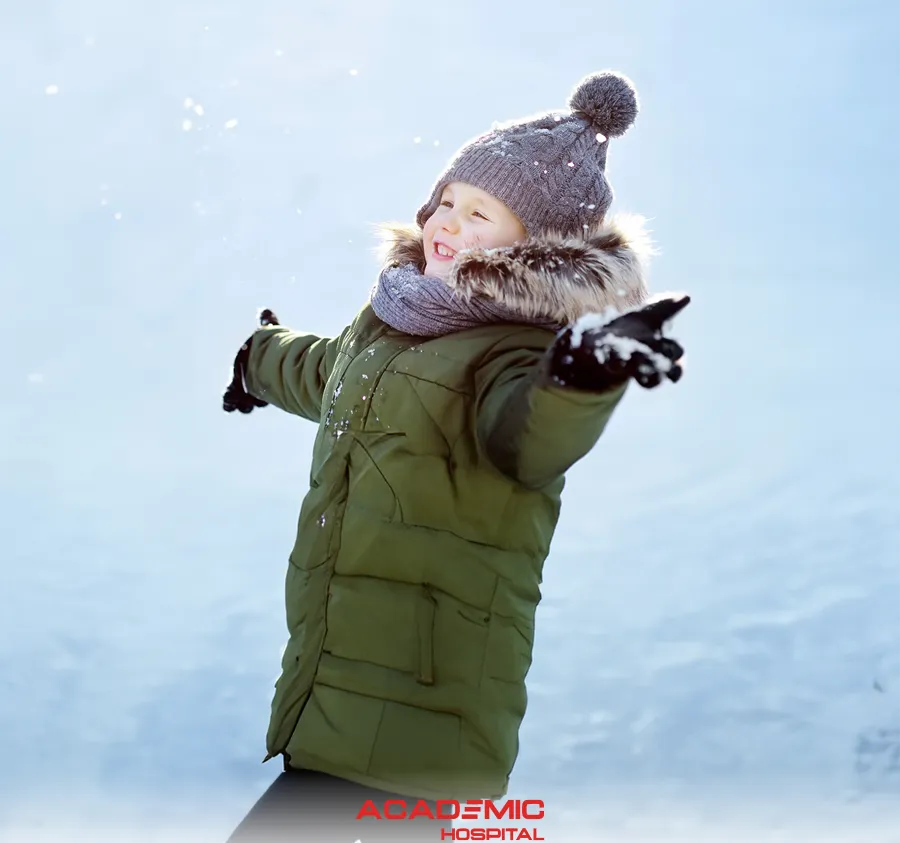
What Is Snow Blindness (Photokeratitis)? Symptoms, Treatment and Prevention
Contents
What Is Snow Blindness?
Snow blindness, medically known as photokeratitis or ultraviolet keratitis, is an acute injury to the surface of the eye caused by excessive exposure to ultraviolet radiation.
It can be compared with sunburn of the ocular surface. UV exposure damages superficial corneal cells and can cause pain, burning, tearing, a foreign-body sensation and marked light sensitivity.
The term “snow blindness” is used because the condition can occur in snowy environments where UV radiation is strongly reflected from the ground, particularly at high altitude.
What Causes Snow Blindness?
Snow can reflect a substantial proportion of ultraviolet radiation, exposing the eyes to both direct and reflected UV light.
Risk is increased during skiing, snowboarding, mountaineering and prolonged outdoor activity in snowy or high-altitude environments without adequate eye protection.
Photokeratitis can also result from unprotected exposure to welding arcs and certain artificial ultraviolet sources.
What Are the Symptoms?
- Eye pain
- Burning or stinging
- Foreign-body or gritty sensation
- Redness
- Excessive tearing
- Marked sensitivity to light
- Blurred or reduced vision
- Swollen eyelids
- Headache
When Do Symptoms Begin?
Symptoms may not appear immediately after ultraviolet exposure.
They commonly develop approximately 6–12 hours after exposure.
This delayed onset means a person may feel well while skiing or hiking but develop significant pain, tearing and photophobia later in the day.
How Is Photokeratitis Diagnosed?
A recent history of intense ultraviolet exposure is an important diagnostic clue.
An eye examination can assess visual acuity, the cornea and conjunctiva and exclude a foreign body, infection or another corneal disorder.
Fluorescein dye and slit-lamp examination may be used to identify superficial corneal epithelial injury.
How Is Snow Blindness Treated?
Photokeratitis usually improves as the corneal surface regenerates.
General supportive measures can include:
- Immediately stopping further UV exposure
- Resting the eyes in a dark or dimly lit environment
- Removing contact lenses
- Avoiding rubbing the eyes
- Using a cool compress
- Using artificial tears when appropriate
- Using oral pain relief when medically appropriate
Antibiotic ointment, cycloplegic drops or other medications are not required in every patient and should be prescribed according to examination findings.
How Long Does Snow Blindness Last?
The corneal surface generally heals rapidly.
In most uncomplicated cases, symptoms improve substantially within 24–48 hours. Permanent vision loss from typical photokeratitis is rare.
Persistent pain or reduced vision should prompt further ophthalmic assessment.
How Can Snow Blindness Be Prevented?
Appropriate eye protection is the most important preventive measure.
- Use sunglasses or snow goggles that block 99–100% of UVA and UVB radiation.
- Choose wrap-around designs or side protection where possible.
- Use appropriate snow goggles while skiing or snowboarding.
- Continue UV protection at high altitude and on cloudy days.
- A hat or visor can provide additional protection.
When Should You Seek Medical Care?
Prompt eye assessment is appropriate if:
- There is significant loss of vision
- Pain is severe
- Symptoms do not improve within 24–48 hours
- One eye is affected much more severely than the other
- A foreign body may be present
- There has been trauma or chemical exposure
- A contact lens wearer develops marked pain and redness
Snow Blindness Is Largely Preventable
Proper UV-blocking sunglasses or snow goggles can substantially reduce the risk of photokeratitis. Severe pain or reduced vision should be evaluated by an eye specialist.
Frequently Asked Questions
References
- Academic Hospital. Snow Blindness
- World Health Organization. The Known Health Effects of Ultraviolet Radiation
- Merck Manual Professional Edition. Ultraviolet Keratitis
- College of Optometrists. Photokeratitis