
 WhatsApp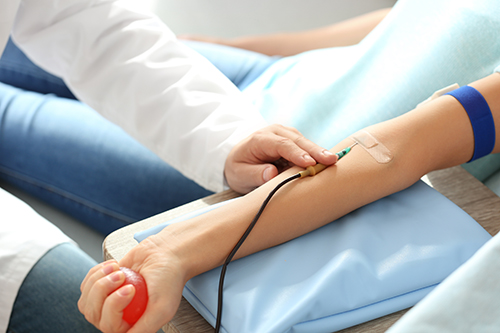
What Is Ozone Therapy? How Is It Used and What Does the Evidence Show?
Contents
- What Is Ozone Therapy?
- How Might Medical Ozone Act?
- How Is Medical Ozone Administered?
- What Is Autohemotherapy?
- In Which Conditions May It Be Considered?
- What Is the Level of Evidence?
- How Many Sessions Are Needed?
- Risks and Side Effects
- Who May Not Be Suitable?
- Can Ozone Gas Be Inhaled?
- Why Should It Be Performed in an Authorised Healthcare Setting?
- Frequently Asked Questions
What Is Ozone Therapy?
Medical ozone therapy is a complementary medical practice involving a controlled mixture of oxygen and ozone generated by a medical ozone device and administered using specific techniques.
In Türkiye, medical ozone is regulated within the framework of Traditional and Complementary Medicine practices and should be performed in authorised healthcare units by appropriately certified physicians or dentists.
Ozone therapy should not be considered a replacement for established medical treatment. Any potential use should be assessed according to the patient's condition, available standard treatments and the balance of possible benefits and risks.
How Might Medical Ozone Act?
Ozone is a powerful oxidising molecule. Proposed biological effects of controlled medical ozone exposure involve reactive oxygen species and lipid oxidation products that may influence redox signalling, inflammatory pathways and cellular responses.
These mechanisms have been demonstrated mainly in laboratory and preclinical research.
A biologically plausible mechanism does not by itself demonstrate clinical effectiveness. Mechanistic findings and proven patient outcomes should therefore be evaluated separately.
How Is Medical Ozone Administered?
Administration depends on the clinical purpose and the route selected.
Methods described by the Turkish Ministry of Health include:
- Autohemotherapy
- Rectal or vaginal administration
- Ozone bagging
- Cupping-based applications
- Intramuscular or intra-articular administration
- Image-guided intradiscal administration
- Selected local applications
No single method is appropriate for every patient.
What Is Autohemotherapy?
Autohemotherapy involves withdrawing a defined amount of venous blood under sterile conditions, exposing it to a controlled oxygen-ozone mixture using medical equipment and then returning the blood to the patient.
The gas concentration, blood volume and treatment protocol should be determined according to medical assessment rather than by a universal dose for every patient.
In Which Conditions May Ozone Therapy Be Considered?
Examples listed by the Turkish Ministry of Health for consideration following physician assessment include:
- Neuropathic pain
- Selected vertebral disc disorders using image-guided intradiscal techniques
- Infected diabetic wounds
- Selected critical ischaemic limb wounds when revascularisation is not possible
- Certain joint, tendon and ligament injuries
- Selected referred pain related to vertebral and disc disorders
- Myofascial pain and fibromyalgia
- Selected diabetic wounds referred by the relevant specialist
- Gingivitis and periodontitis
What Is the Scientific Evidence for Ozone Therapy?
Ozone therapy has been studied across multiple clinical conditions, but the strength of evidence varies considerably.
A 2026 umbrella review assessing systematic reviews and meta-analyses of randomised controlled trials found inconsistent results across chronic periodontitis, COVID-19, diabetic foot ulcers and impacted third-molar surgery.
The certainty of evidence was rated low or very low for all evaluated outcomes.
In diabetic foot ulcers, ozone therapy was not shown to be superior to control treatment for complete wound healing.
Current evidence therefore does not support replacing established treatment with ozone therapy. Where it is considered, its complementary role and the uncertainty of evidence should be clearly discussed with the patient.
How Many Ozone Therapy Sessions Are Needed?
There is no universal rule that every patient requires 10 or 12 sessions.
The number and frequency of sessions depend on the indication, administration method, clinical characteristics and response to treatment.
What Are the Risks and Side Effects?
Risks differ according to the method used.
Potential complications may include injection- or venous-access-related pain and bruising, infection, procedure-related complications and injury related to incorrect concentration or administration.
Safety evidence remains incomplete. The 2026 umbrella review found that adverse events were inconsistently reported across clinical trials, preventing firm conclusions regarding overall safety.
Who May Not Be Suitable for Ozone Therapy?
Contraindications and precautions vary according to the route of administration.
Additional assessment is particularly important in patients with conditions such as G6PD deficiency, pregnancy, active bleeding or significant bleeding risk, major haematological disorders and uncontrolled serious systemic disease.
Use of anticoagulant medication is not automatically an absolute contraindication in every situation; the medication, dose, bleeding risk and proposed procedure should be assessed together.
Can Ozone Gas Be Inhaled?
Because ozone is a strong oxidant, medical applications use controlled routes of administration and direct inhalation should be avoided.
Why Should It Be Performed in an Authorised Healthcare Setting?
Safe administration requires clinical assessment, selection of an appropriate indication, accurate preparation of ozone concentration, sterile technique and the ability to recognise and manage complications.
Under Turkish regulations, ozone therapy should be performed in Ministry-authorised units and application centres by physicians or dentists holding the relevant certification.
Medical Ozone Should Be Assessed Individually
Whether ozone therapy is appropriate, which method might be used and the balance of possible benefits and risks should be considered together with the patient's diagnosis and established treatment options.
Frequently Asked Questions
References
- Academic Hospital. Ozone Therapy
- Republic of Türkiye Ministry of Health. Medical Ozone Application
- Cacciatore S, et al. Effectiveness and Safety of Ozone Therapy in Humans: An Umbrella Review
- Medical Ozone: Mechanisms, Biological Effects and Clinical Evidence
- Wen Q, et al. Ozone Therapy for Chronically Refractory Wounds and Ulcers