
 WhatsApp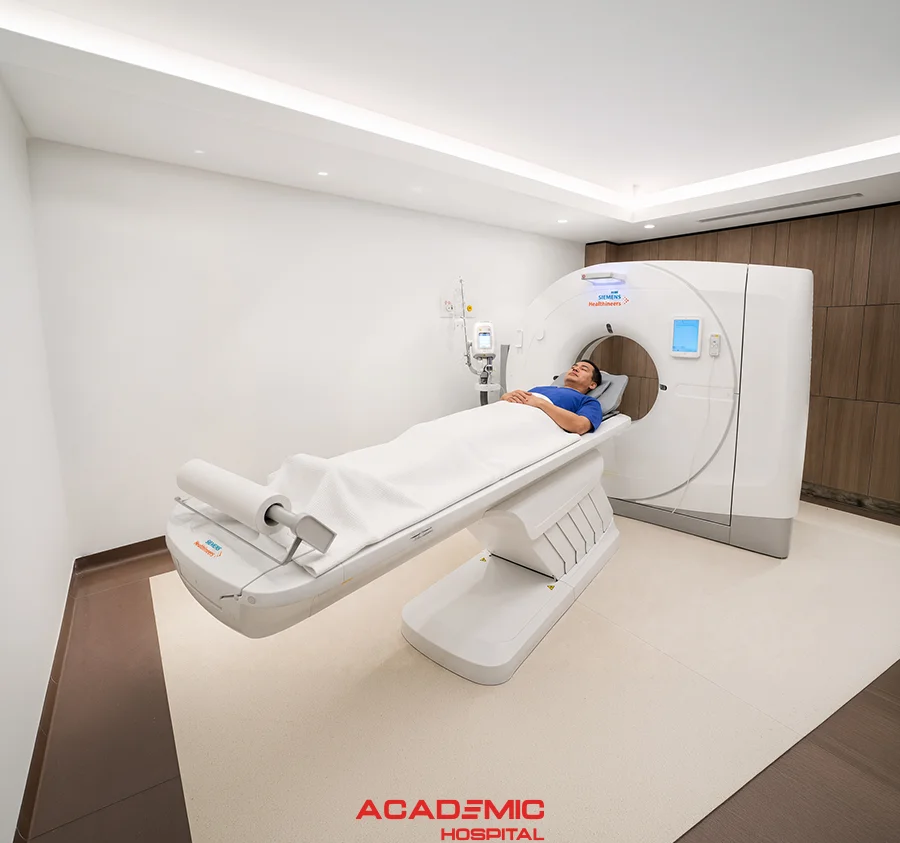
How Is Coronary CT Angiography?
Contents
- What Is Coronary CT Angiography?
- How Is Coronary CT Angiography Performed?
- Who Can Undergo Coronary CT Angiography?
- What Are the Benefits and Risks of Coronary CT Angiography?
- Scan Process
- Benefits and Uses of Virtual Angiography
- Benefits of Multidetector and Multislice Devices
- Review Process
- Who Cannot Undergo Virtual Angiography?
- When Is CT Angiography Used and When Is Conventional Angiography Used?
- Importance of Virtual Angiography for Heart Disease Management
- Conclusion
- Frequently Asked Questions
- References
Coronary CT angiography is a computed tomography-based imaging method used to evaluate the coronary vessels of the heart. It is also commonly known as virtual angiography.
What Is Coronary CT Angiography?
Coronary CT Angiography (Computed Tomography Coronary Angiography), also known publicly as virtual angiography, is a special medical imaging technique used to visualize the coronary arteries of the heart. This procedure is widely used in the diagnosis of cardiovascular diseases.
During the procedure, the coronary vessels that supply the heart can be evaluated more clearly on computed tomography images with the help of contrast material administered through an intravenous line. The acquired cross-sectional images may be used for three-dimensional assessment and for examining vessel narrowing, plaques, or certain structural variations.
How Is Coronary CT Angiography Performed?
- Preparation: Before the procedure, the patient’s kidney function is checked with urea/creatinine tests. The patient’s heart rate is lowered to an optimal level.
- Administration of Contrast Material: A special contrast material is administered intravenously to perform the examination. This material allows the computed tomography device to visualize the vessels and surrounding vascular structures.
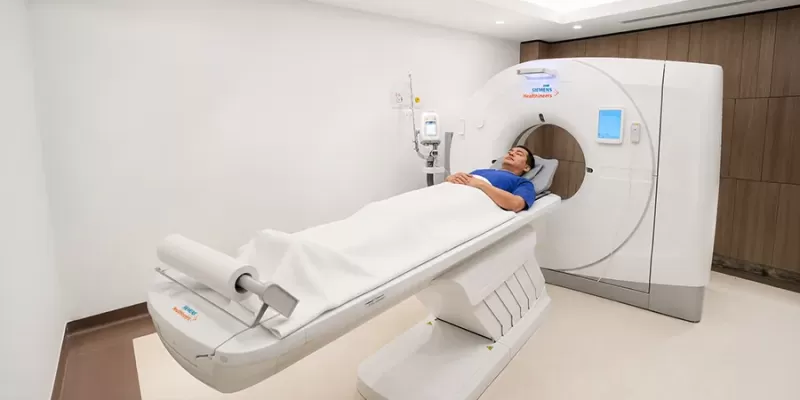
- Imaging: The patient is placed in the CT scanner, and cross-sectional images of the coronary arteries are obtained. If considered necessary, a cardiologist may also accompany the scan and communicate relevant requests to the radiology technicians regarding the areas that need to be visualized.
- Analysis: Radiology specialists evaluate the acquired images, identify problems in the coronary arteries, and prepare a report.
Would you like to get information about coronary CT angiography?
Book an AppointmentWho Can Undergo Coronary CT Angiography?
- People who have a high risk of coronary artery disease but do not have any symptoms
- People with suspected coronary artery disease
- Patients or patient candidates who do “not” need urgent intervention due to heart attack risk
What Are the Benefits and Risks of Coronary CT Angiography?
Scan Process
- Heart Rate Control: Before the scan, the patient’s heart rate is lowered to the desired level. Breathing exercises and, if necessary, certain medications such as beta blockers or nitrate spray may be used. Just as in photography, the heart rate should be within an optimal range to obtain high-quality images.
- Preparation: Contrast material is administered to the patient through a regular intravenous needle.
- Scanning: The scan begins when the patient’s heart rate reaches a sufficient level, and the remaining contrast material is administered through the intravenous line. The scanning phase takes 2–3 minutes. Radiation exposure lasts only 2–3 seconds.
Benefits and Uses of Virtual Angiography
- Non-Invasive Method: It carries less risk compared with traditional angiography.
- Detailed Imaging: In addition to detecting narrowing, plaques, or coronary anomalies that may be present inside the coronary arteries, it can also visualize changes occurring on the outer wall of the vessel. Conventional angiography does not provide this possibility.
- Additional Diagnostic Data: Data such as calcium scoring and cardiovascular age obtained after the scan provide predictions about coronary conditions. In this way, necessary precautions can be taken before the patient develops heart disease, improving quality of life while minimizing healthcare costs.
Get an expert opinion for coronary vessel health assessment.
Book an AppointmentBenefits of Multidetector and Multislice Devices
Thanks to multidetector and multislice devices, scans are completed in a very short time. This reduces the likelihood of tachycardia episodes and significantly decreases the duration of radiation exposure.
Review Process
With the involvement of artificial intelligence, high-quality 3D images obtained in a short time with minimal radiation exposure are reviewed by radiologists and reported in detail.
Who Cannot Undergo Virtual Angiography?
- The scan cannot be performed in people whose heart rate cannot be lowered, because adequate image quality cannot be achieved.
- People with contrast material allergy
- People with kidney failure
- People whose body weight prevents them from entering the device
Attention:
- If you have a history of contrast material allergy or impaired kidney function, inform your physician before the procedure.
- Pregnancy suspicion, regular medication use, or a previous reaction to contrast material should also be shared during the assessment.
When Is CT Angiography Used and When Is Conventional Angiography Used?
It is an important screening method for early diagnosis in people who do not require urgent intervention but have a family history of heart disease, and it is faster and safer compared with conventional angiography. However, in cases where the patient requires urgent intervention such as stent placement, conventional angiography is more appropriate.
Importance of Virtual Angiography for Heart Disease Management
In patients who are overweight, smoke heavily, or have high blood lipid levels, calcium scoring can also be performed with coronary CT angiography. Methods such as "calcium scoring with coronary CT angiography" can be used to assess the condition of a person’s heart vessels and estimate what health problems they may experience in the coming years.
Conclusion
Coronary CT angiography is an impressive tool that modern medicine can offer for heart health. As our relevant specialists also state, when used as a screening method in young patients within the risk group, it is a good method for identifying future heart health risks.
Would you like to get an expert opinion about coronary CT angiography?
You can book an appointment for a personalized assessment with Academic Hospital Radiology and Cardiology specialists.
Frequently Asked Questions
References
The general information in this article about coronary CT angiography, contrast material, radiation, preparation, and clinical use is supported by the following authoritative health sources.
- RadiologyInfo.org, "Coronary CTA", radiologyinfo.org
- American Heart Association, "Cardiac Computed Tomography Angiography (CCTA)", heart.org
- Mayo Clinic, "CT coronary angiogram", mayoclinic.org
- StatPearls / NCBI Bookshelf, "Coronary CT Angiography", ncbi.nlm.nih.gov