

 WhatsApp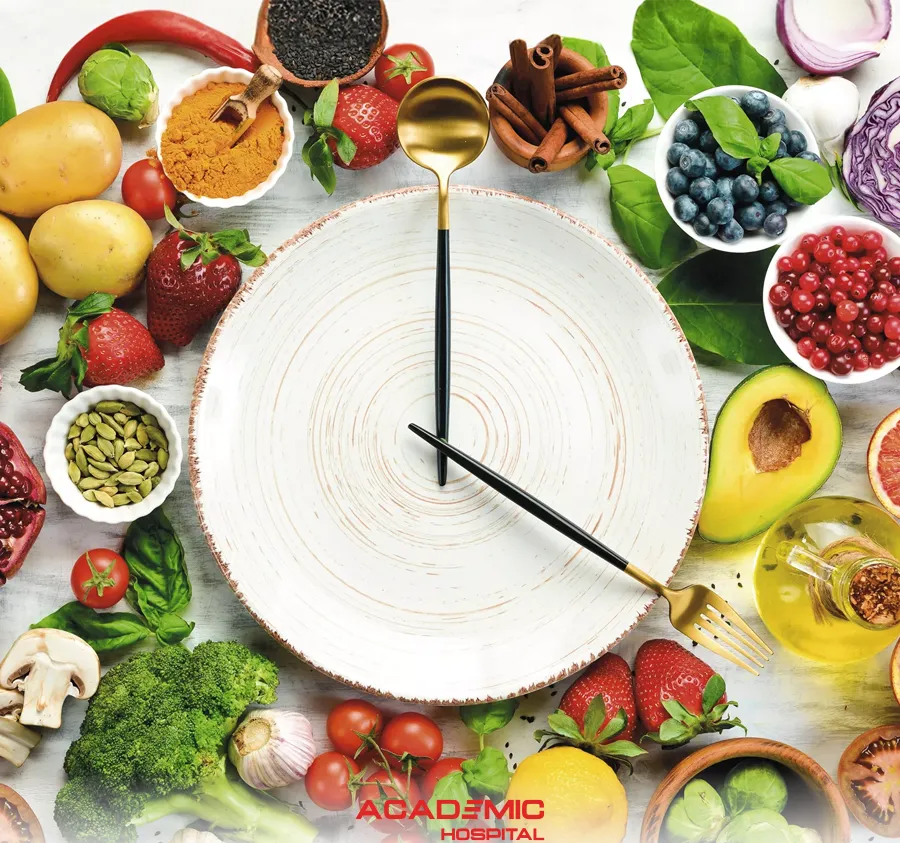
What Are Functional Foods? Functional Foods and Bioactive Compounds
Contents
- What Is a Functional Food?
- What Is a Bioactive Compound?
- Plant-Based Functional Foods
- What Are Phytochemicals?
- Examples of Plant Bioactive Compounds
- What Are Prebiotics?
- What Are Probiotics?
- Are All Fermented Foods Probiotic?
- Animal-Derived Functional Foods
- What Is the Role of Omega-3 Foods?
- Yogurt, Kefir and Fermented Dairy
- Is There a Dose for Functional Foods?
- Are Functional Foods the Same as Supplements?
- Who Should Be Cautious?
- Frequently Asked Questions
What Is a Functional Food?
A functional food is a term used for foods that may provide potential benefits beyond supplying basic energy and essential nutrients because of particular naturally occurring or added components.
There is no single universally accepted regulatory definition of a functional food worldwide.
The term may include naturally nutrient-rich foods as well as foods enriched with particular vitamins, minerals, fibres, plant sterols or other components.
What Is a Bioactive Compound?
Bioactive compounds are naturally occurring food components that can interact with biological processes even though they may not be classified as essential vitamins or minerals.
Examples include polyphenols, carotenoids, certain types of fibre, plant sterols and organosulfur compounds.
Laboratory antioxidant or anti-inflammatory activity does not automatically mean that a compound prevents or treats a particular disease in humans.
Plant-Based Functional Foods
Vegetables, fruit, whole grains, legumes, nuts, seeds, herbs and spices contain a wide variety of bioactive compounds.
The health value of plant-based dietary patterns cannot be reduced to one phytochemical. Fibre, vitamins, minerals, unsaturated fats and numerous bioactive compounds are consumed together.
A varied eating pattern rich in whole grains, vegetables, fruit, legumes and nuts is consistent with current healthy-diet recommendations.
What Are Phytochemicals?
Phytochemicals are a broad group of naturally occurring compounds in plants.
They include polyphenols, flavonoids, carotenoids, lignans, stilbenes, glucosinolates and organosulfur compounds.
These compounds have been studied in relation to antioxidant defence, cell signalling, inflammation and metabolism.
However, it is not scientifically appropriate to state that an individual phytochemical treats cancer, diabetes, hypertension or another chronic disease.
Examples of Plant Bioactive Compounds
- Carotenoids: Carrots, tomatoes, pumpkin, apricots and dark-green leafy vegetables
- Flavonoids: Onions, apples, berries, grapes, tea and cocoa
- Isoflavones: Soy and soy products
- Lignans: Flaxseed, sesame seeds, whole grains and selected vegetables
- Stilbenes: Grapes and peanuts
- Phenolic acids: Coffee, cereals, fruit and vegetables
- Organosulfur compounds: Garlic, onions and leeks
- Glucosinolates: Broccoli, cauliflower, cabbage and Brussels sprouts
What Are Prebiotics?
Prebiotics are nondigestible food components that can be used selectively by certain microorganisms in the gut.
Certain fibres such as inulin and fructooligosaccharides can have prebiotic properties.
Sources may include onions, garlic, leeks, asparagus, artichokes, bananas, oats, whole grains and legumes.
What Are Probiotics?
Probiotics are live microorganisms intended to provide a health benefit when consumed in adequate amounts.
Effects are strain- and product-specific. Evidence for one Lactobacillus or Bifidobacterium strain cannot automatically be applied to every probiotic product.
Probiotics may be present in selected yogurts and fermented foods or provided as dietary supplements.
Some probiotic preparations have evidence for particular clinical uses, but evidence remains limited or product-specific for many broader health claims.
Are All Fermented Foods Probiotic?
No. Not every fermented food is a probiotic food.
Fermentation involves microorganisms during production, but those microorganisms may no longer be alive in the final product because of heating, pasteurisation, filtration or other processing.
Yogurt, kefir, fermented vegetables and traditional fermented products can be part of a healthy diet, but fermentation alone does not demonstrate a specific probiotic effect.
Animal-Derived Functional Foods
Fish, eggs, dairy products and other animal foods provide protein, vitamins, minerals and various bioactive compounds.
Describing an animal food as functional does not mean it should be consumed without limits or that it independently prevents disease.
Within an overall healthy diet, it is more important to emphasise healthy protein sources, limit processed meats, consider saturated fat and sodium, and maintain dietary variety.
What Is the Role of Omega-3 Foods?
Fatty fish such as salmon, sardines and mackerel are important dietary sources of the long-chain omega-3 fatty acids EPA and DHA.
Walnuts, flaxseed and chia primarily provide the plant omega-3 fatty acid ALA.
Fish can form part of a heart-healthy dietary pattern.
However, broad claims that omega-3 fatty acids prevent or treat cancer, diabetes, rheumatoid arthritis and multiple neurological or psychological disorders are not supported as universal conclusions.
Omega-3 obtained from food should also be distinguished from concentrated high-dose supplements.
Yogurt, Kefir and Fermented Dairy
Yogurt and kefir can provide protein, calcium and, depending on production, live microorganisms.
The potential effects of fermented dairy products on the gut microbiome and metabolic health continue to be investigated.
It is not appropriate to describe every yogurt, kefir or cheese as cholesterol-lowering, antihypertensive, antiallergic or anticancer. Effects can vary according to the product, microbial strain, amount consumed and individual health status.
Is There a Dose for Functional Foods?
There is no single daily dose for all functional foods because the category includes many different foods and food components.
Foods such as vegetables, fruit, whole grains, legumes, fish and yogurt should generally be consumed within an overall balanced dietary pattern.
When a specific health claim is made for an isolated bioactive component or enriched product, the amount studied and the target health outcome are important.
More is not automatically better.
Are Functional Foods the Same as Supplements?
No. Functional foods refer primarily to foods or food products.
Capsules or tablets containing vitamins, minerals, omega-3 fatty acids, probiotics or botanical extracts may instead be classified as dietary supplements.
The fact that a compound occurs naturally in food does not mean that taking the same compound in a concentrated supplement is automatically beneficial or risk-free.
Who Should Be Cautious?
Foods are generally safe when consumed appropriately, but individual health conditions may require dietary modification.
Professional advice may be particularly important for people with food allergies, chronic kidney or liver disease, severe immune suppression, regular medication use, pregnancy or breastfeeding, or those considering high-dose probiotic or other supplements.
For probiotic supplements in particular, safety requires greater caution in seriously ill or immunocompromised individuals.
Focus on the Overall Diet Rather Than a Single “Superfood”
A varied eating pattern containing vegetables, fruit, whole grains, legumes, nuts and healthy protein sources is more appropriate than attributing extraordinary effects to individual foods.
Frequently Asked Questions
References
- Academic Hospital. Functional Foods
- World Health Organization. Healthy Diet
- European Food Safety Authority. Health Claims
- National Center for Complementary and Integrative Health. Probiotics: Usefulness and Safety