

 WhatsApp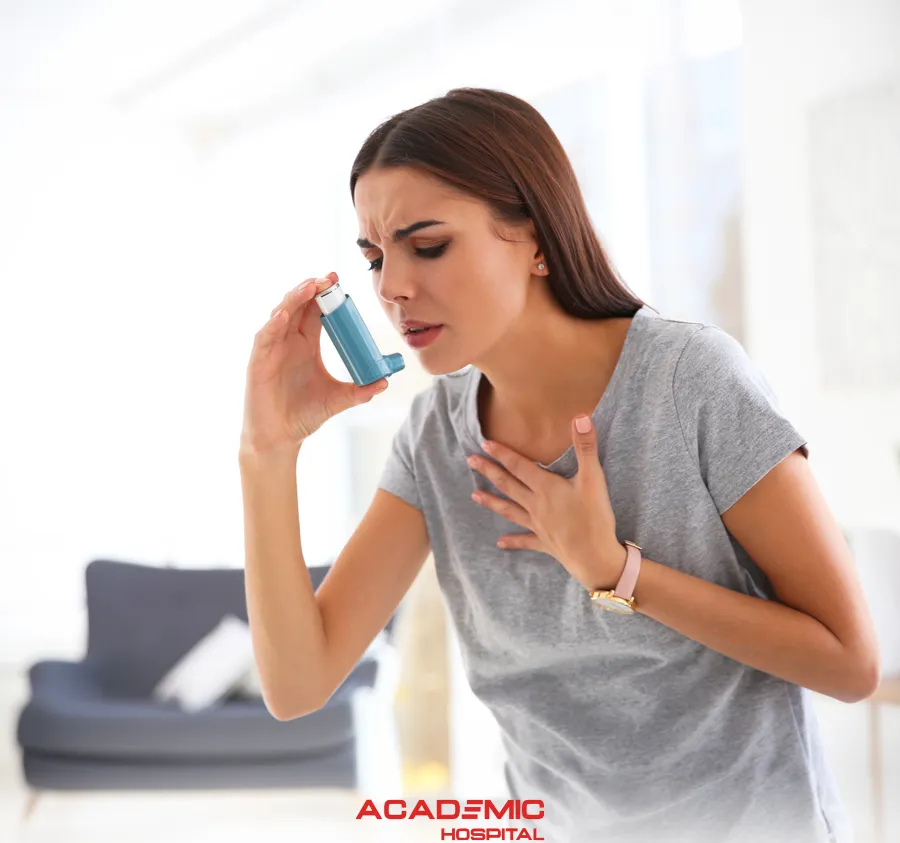
What Is Asthma? Symptoms, Causes, Diagnosis and Treatment
Contents
- What Is Asthma?
- What Causes Asthma?
- What Increases the Risk of Asthma?
- What Are the Symptoms?
- What Can Trigger Asthma?
- How Is Asthma Diagnosed?
- What Is Spirometry?
- Can Allergy Testing Diagnose Asthma?
- How Is Asthma Treated?
- Why Are Inhaled Corticosteroids Important?
- How Are Inhalers Used?
- Are Biologic Treatments Used for Severe Asthma?
- What Is an Asthma Attack?
- What Should You Do During an Asthma Attack?
- When Is an Asthma Attack an Emergency?
- Can Asthma Be Controlled?
- Frequently Asked Questions
What Is Asthma?
Asthma is a chronic respiratory disease characterised by airway inflammation, variable narrowing of the airways and increased airway responsiveness.
The airways of people with asthma may react excessively to different stimuli. Contraction of airway muscles, swelling of the airway wall and increased mucus can temporarily restrict airflow.
This can cause cough, wheezing, shortness of breath and chest tightness.
Symptoms can vary considerably over time. A person may have few or no symptoms for periods and experience worsening symptoms at other times.
What Causes Asthma?
There is no single cause of asthma. It can develop through an interaction between genetic susceptibility, environmental exposures and developmental factors.
People with a close family member who has asthma or allergic disease may have a higher risk, although genetic susceptibility does not mean that asthma will inevitably develop.
What Increases the Risk of Asthma?
- Family history of asthma
- Allergic conditions such as allergic rhinitis or eczema
- Certain respiratory viral infections early in life
- Exposure to tobacco smoke during pregnancy or childhood
- Air pollution
- Dust mites, mould and environmental allergens
- Occupational exposure to dust, fumes or chemicals
- Overweight and obesity
Asthma commonly begins in childhood but can first develop at any age.
What Are the Symptoms of Asthma?
A key feature of asthma is that symptoms vary over time.
Typical symptoms include:
- Recurrent shortness of breath
- Wheezing
- Recurrent cough
- Chest tightness
Symptoms may be worse at night or early in the morning, during exercise, with respiratory infections or after exposure to certain triggers.
What Can Trigger Asthma?
Triggers differ between individuals.
They may include respiratory viral infections, tobacco smoke, air pollution, pollen, dust mites, mould, animal allergens, irritant chemicals, exercise, cold air and some medicines.
How Is Asthma Diagnosed?
Symptoms such as cough, wheeze and shortness of breath can suggest asthma but are not sufficient on their own to establish the diagnosis.
Diagnosis is based on:
- A history of variable respiratory symptoms consistent with asthma
- Objective evidence of variable expiratory airflow limitation when possible
If possible, the diagnosis should be confirmed before long-term controller treatment is started.
What Is Spirometry?
Spirometry measures how much air a person can exhale and how quickly it can be expelled.
In suspected asthma, lung function can be measured before and after a bronchodilator to assess whether airflow obstruction improves.
A normal test on one occasion does not completely exclude asthma because airflow limitation can be variable.
Additional assessment may include repeat spirometry, peak expiratory flow monitoring, bronchial challenge testing, exercise testing or FeNO measurement.
Can Allergy Testing Diagnose Asthma?
No. Skin testing or allergen-specific IgE testing does not diagnose asthma itself.
These tests can help identify allergic sensitisation and potential allergic triggers.
Blood eosinophils and FeNO can support identification of Type 2 inflammation in appropriate clinical settings but do not independently confirm or exclude asthma.
How Is Asthma Treated?
The aims of treatment are to control symptoms, maintain normal activity, prevent severe exacerbations and preserve lung function while minimising treatment-related adverse effects.
Treatment is individualised according to age, symptom frequency, previous exacerbations, lung function, comorbidities and response to therapy.
Why Are Inhaled Corticosteroids Important?
Inhaled corticosteroids (ICS) reduce inflammation in the airways and are a cornerstone of asthma treatment.
Current GINA guidance recommends ICS-containing treatment for adults, adolescents and children aged 6 years or older with asthma.
ICS-containing treatment can reduce symptoms and significantly lower the risk of severe asthma exacerbations.
How Are Inhalers Used?
Most asthma medicines are delivered directly to the airways using inhaler devices.
Correct inhaler technique is essential. Poor technique can make asthma appear uncontrolled even when the prescribed medicine is appropriate.
Inhaler technique, adherence, adverse effects and symptom control should therefore be checked regularly.
A spacer device can make metered-dose inhalers easier to use and improve delivery of medication to the lungs in appropriate patients.
Are Biologic Treatments Used for Severe Asthma?
Yes. Biologic treatments may be considered in selected patients with severe asthma that remains uncontrolled despite optimised inhaled therapy, correct inhaler technique and management of contributing factors.
Depending on the inflammatory phenotype, biologics can target IgE, IL-5 or its receptor, the IL-4/IL-13 pathway, or TSLP.
Selection requires specialist assessment and asthma phenotyping.
What Is an Asthma Attack?
An asthma attack or exacerbation is a worsening of symptoms such as shortness of breath, wheezing, cough or chest tightness compared with the person's usual condition.
Airflow limitation can increase during an attack.
Respiratory infections, smoke exposure, air pollution, allergens and inadequate use of controller medication can contribute to exacerbations.
What Should You Do During an Asthma Attack?
People with asthma should ideally have an individualised written asthma action plan.
When symptoms worsen, the reliever treatment specified in that plan should be used and the response should be monitored.
Moderate or severe attacks may require bronchodilator treatment, assessment of oxygenation, systemic corticosteroids and additional treatment according to severity.
Antibiotics are not routine treatment for an asthma exacerbation unless there is another clinical indication for antibacterial therapy.
When Is an Asthma Attack an Emergency?
- Marked shortness of breath at rest
- Difficulty completing sentences
- Rapid worsening despite reliever treatment
- Marked respiratory effort
- Bluish lips or fingers
- Drowsiness, confusion or altered consciousness
- Severe breathlessness even if wheezing becomes quieter
- A severe attack in a person with a previous history of intensive-care treatment or intubation for asthma
Severe asthma attacks can be life-threatening and require urgent medical assessment.
Can Asthma Be Controlled?
Yes. Although asthma is a chronic condition, appropriate treatment allows many people to lead normal and active lives.
Good asthma management includes regular medication use when prescribed, correct inhaler technique, avoiding tobacco smoke, addressing individual triggers and comorbidities, regular follow-up and a written asthma action plan.
Asthma Can Be Controlled With Appropriate Treatment
Recurrent cough, wheezing or shortness of breath should be assessed together with lung function and future exacerbation risk.
Frequently Asked Questions
References
- Academic Hospital. Asthma
- Global Initiative for Asthma. 2026 GINA Strategy Report
- Global Initiative for Asthma. 2026 GINA Summary Guide
- World Health Organization. Asthma