

 WhatsApp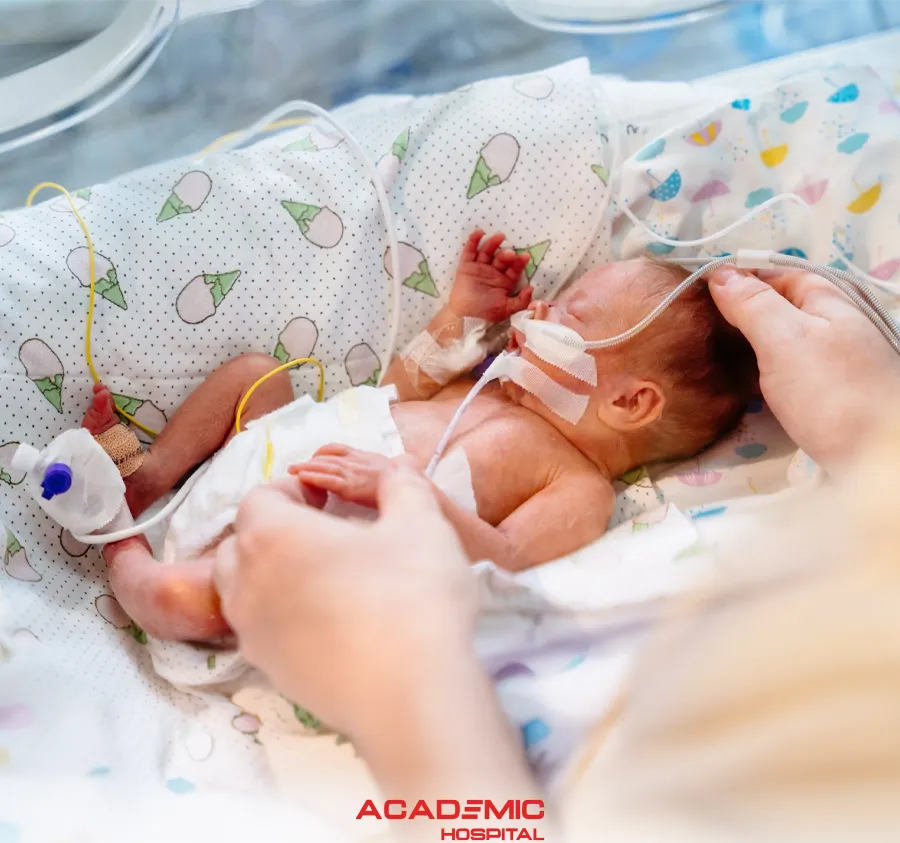
What Is a Premature Baby? Preterm Birth, Risks and Newborn Care
Contents
- What Is Preterm Birth?
- What Causes Preterm Birth?
- What Are the Risk Factors?
- What Are the Signs of Preterm Labour?
- How Is Preterm Birth Classified?
- What Problems Can Premature Babies Develop?
- How Are Premature Babies Cared For?
- What Is Kangaroo Mother Care?
- How Are Premature Babies Fed?
- How Long Do Premature Babies Stay in Hospital?
- When Can a Premature Baby Go Home?
- What Is Corrected Age?
- How Are Premature Babies Followed Up?
- Frequently Asked Questions
What Is Preterm Birth?
Preterm birth is the birth of a live baby before 37 completed weeks of pregnancy.
The needs and prognosis of a premature baby are not determined by gestational age alone. Birth weight, fetal growth, respiratory status, pregnancy complications and the baby's clinical course after birth are also important.
What Causes Preterm Birth?
Preterm birth does not have a single cause, and in some pregnancies no definite cause can be identified.
It can occur through:
- Spontaneous preterm birth: labour starts spontaneously or the membranes rupture early.
- Medically indicated preterm birth: early delivery is recommended because continuing the pregnancy may present a greater risk to the mother or baby.
Examples of situations that may require medically indicated early delivery include severe pre-eclampsia, some placental disorders and deterioration in fetal condition.
What Are the Risk Factors for Preterm Birth?
- A previous preterm birth
- A short cervix
- Twin or higher-order multiple pregnancy
- Certain infections during pregnancy
- Vaginal bleeding during pregnancy
- Some placental disorders
- Certain uterine or cervical abnormalities
- Hypertensive disorders of pregnancy
- Certain chronic maternal diseases
- Smoking during pregnancy
A risk factor does not mean that preterm birth will definitely occur, and some women who deliver prematurely have no identifiable risk factor.
What Are the Signs of Preterm Labour?
Symptoms before 37 weeks that may require assessment include:
- Regular or frequent uterine contractions
- Pelvic or lower abdominal pressure
- New or persistent low backache
- A change in vaginal discharge
- Vaginal bleeding
- A gush or persistent leakage of fluid
How Is Preterm Birth Classified?
The World Health Organization divides preterm birth into three gestational-age categories:
| Classification | Gestational Age |
|---|---|
| Extremely preterm | Less than 28 weeks |
| Very preterm | 28 to less than 32 weeks |
| Moderate to late preterm | 32 to less than 37 weeks |
What Health Problems Can Premature Babies Develop?
The likelihood and severity of complications generally increase as gestational age decreases.
Possible problems include:
- Respiratory distress and need for respiratory support
- Difficulty coordinating sucking, swallowing and breathing
- Difficulty maintaining body temperature
- Low blood glucose
- Increased susceptibility to infection
- Jaundice
- Problems involving the brain, eyes, intestines or cardiovascular system in some very premature babies
Being born prematurely does not mean that a child will necessarily develop a long-term disability. Many premature babies grow and develop well with appropriate neonatal care and follow-up.
How Are Premature Babies Cared For?
Care is individualised according to gestational age and clinical condition.
It may include:
- Thermal care
- Respiratory support when required
- Monitoring oxygen levels
- Monitoring glucose and fluid-electrolyte balance
- Breast-milk feeding
- Infection prevention
- Monitoring growth and development
What Is Kangaroo Mother Care?
Kangaroo mother care is an approach to the care of preterm or low-birth-weight babies based on prolonged skin-to-skin contact with the mother together with breast-milk feeding.
It can help support temperature regulation, breastfeeding and parent-infant bonding and is an important component of modern care for small and premature newborns.
How Are Premature Babies Fed?
Breast milk is an important component of nutrition for premature babies.
Depending on gestational age and feeding ability, breast milk may be given by:
- Direct breastfeeding
- Expressed milk given orally
- A feeding tube
Some very small babies may require appropriate fortification of breast milk to meet increased nutritional requirements.
How Long Do Premature Babies Stay in Hospital?
There is no fixed hospital-stay duration for all premature babies.
Length of stay can depend on:
- Gestational age at birth
- Need for respiratory support
- Ability to feed safely
- Ability to maintain body temperature
- Growth and weight gain
- Episodes of apnoea or bradycardia
- Infection and other complications
When Can a Premature Baby Go Home?
Discharge is not determined simply by whether the baby no longer requires oxygen or has reached a particular weight or gestational age.
Factors generally considered include:
- Clinical respiratory and cardiovascular stability
- Safe and adequate feeding
- Ability to maintain body temperature
- Appropriate growth
- A safe home-care plan
- Parent education
- A clear follow-up plan
What Is Corrected Age?
Corrected age adjusts a premature baby's chronological age for the number of weeks the baby was born early.
For example, a baby born at 32 weeks was approximately eight weeks early. At four months of chronological age, the baby's corrected age would therefore be approximately two months.
Corrected age can be useful when evaluating growth and developmental milestones during infancy.
How Are Premature Babies Followed Up?
Regular follow-up after discharge may include assessment of:
- Weight, length and head circumference
- Feeding
- Motor and neurodevelopmental progress
- Vision
- Hearing
- Vaccination
- Respiratory health
- Iron, vitamin and other nutritional requirements
Assess Your Risk of Preterm Birth
If you have a previous history of preterm birth or concerns about preterm labour during pregnancy, appropriate obstetric assessment and follow-up can be planned.
Frequently Asked Questions
References
- Academic Hospital. Premature Birth
- World Health Organization. Preterm Birth
- World Health Organization. Preterm and Low Birth Weight Newborn Health
- World Health Organization. Kangaroo Mother Care: A Clinical Practice Guide
- American College of Obstetricians and Gynecologists. Preterm Labor and Birth