

 WhatsApp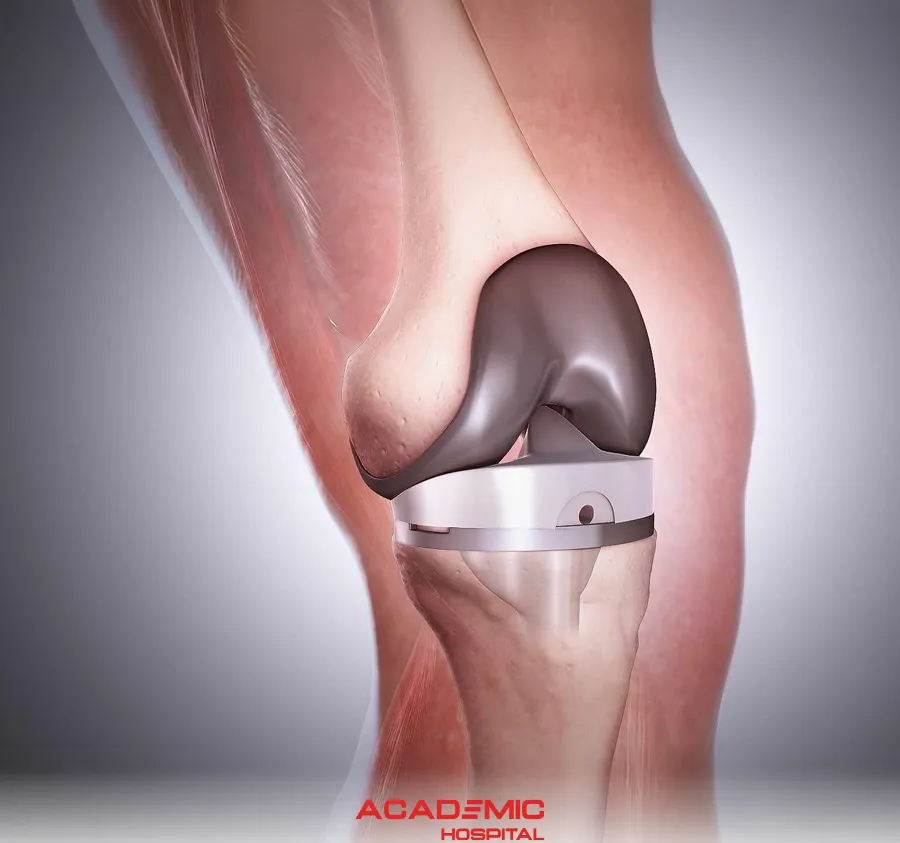
What Is Arthroplasty? Joint Replacement Surgery, Recovery and Implant Lifespan
Contents
- What Is Arthroplasty?
- What Are the Types of Arthroplasty?
- Which Joints Can Be Replaced?
- When Is Arthroplasty Considered?
- How Is the Decision for Surgery Made?
- How Do You Prepare for Surgery?
- How Is Arthroplasty Performed?
- Which Type of Anaesthesia Is Used?
- How Long Does Surgery Take?
- What Happens After Surgery?
- Why Is Rehabilitation Important?
- How Long Does Recovery Take?
- What Are the Risks?
- How Long Do Joint Replacements Last?
- What Is Revision Arthroplasty?
- Frequently Asked Questions
Arthroplasty is surgery used to reconstruct a severely damaged or painful joint. In modern orthopaedic practice, the term commonly refers to joint replacement surgery, in which damaged joint surfaces are replaced with artificial components.
It is performed most commonly on the knee and hip, but shoulder and other joints can also be treated. The main goals are to reduce pain, improve mobility and function and help patients return to daily activities.
What Is Arthroplasty?
Arthroplasty aims to reconstruct a joint that has become severely damaged or has lost function.
During joint replacement surgery, selected areas of diseased bone and cartilage are removed and replaced with artificial joint surfaces.
Depending on the joint, implants may contain:
- Metal alloys
- Highly durable polyethylene
- Ceramic
- Combinations of these materials
Implant selection depends on the patient's anatomy, bone quality, joint, surgical technique and implant system.
What Are the Types of Arthroplasty?
Total Arthroplasty
Most or all of the relevant articular surfaces are replaced. Total knee replacement and total hip replacement are common examples.
Partial Arthroplasty
Only part of the joint is replaced when disease is appropriately localised. Unicompartmental knee replacement may be suitable for selected patients with osteoarthritis limited to one compartment.
Hemiarthroplasty, in which only the femoral side of the hip joint is replaced, can also be used for selected types of hip fracture.
Which Joints Can Be Replaced?
Arthroplasty is most commonly performed on the:
- Knee
- Hip
- Shoulder
Joint replacement can also be performed in selected patients on the elbow, ankle and certain hand or finger joints.
When Is Arthroplasty Considered?
Joint replacement is generally considered when pain and functional impairment are substantial and appropriate non-surgical treatment has not provided adequate relief.
Possible indications include:
- Advanced osteoarthritis
- Rheumatoid arthritis and other inflammatory joint diseases
- Avascular necrosis of the femoral head
- Certain hip fractures
- Severe post-traumatic joint damage
- Certain developmental or congenital joint disorders
- Advanced deformity caused by previous joint disease
How Is the Decision for Joint Replacement Made?
The decision is not based on the X-ray appearance alone.
Assessment includes:
- Severity and duration of pain
- Walking ability
- Ability to use stairs
- Impact on sleep and daily life
- Joint range of movement
- Joint deformity
- Response to non-surgical treatment
- General health
- Patient expectations
How Do You Prepare for Arthroplasty?
Preparation includes assessment of both the joint and the patient's overall health.
This may involve:
- Review of medical history and current medication
- Blood tests and other appropriate investigations
- X-rays and additional imaging where required
- Anaesthetic assessment
- Optimisation of diabetes and blood pressure
- Assessment of infection risks
- Smoking cessation where appropriate
- Weight and nutritional optimisation when relevant
Blood thinners and other prescribed medicines should only be changed according to instructions from the relevant medical and anaesthetic teams.
How Is Arthroplasty Performed?
The surgical technique depends on the joint and implant.
In total knee replacement, damaged areas of the femur and tibia are prepared and resurfaced with metal components, with a durable polyethylene surface positioned between them.
In total hip replacement, the damaged femoral head is removed and replaced with a femoral stem and head, while the acetabulum is resurfaced with an artificial socket.
Implants may be:
- Fixed with bone cement
- Cementless, allowing bone to grow onto or into the implant surface
- Used in hybrid combinations
The fixation method is selected according to the individual patient and joint.
Which Type of Anaesthesia Is Used?
Hip and knee arthroplasty can be performed under general anaesthesia or regional techniques such as spinal or epidural anaesthesia.
Peripheral nerve blocks and multimodal pain-management strategies may also be used.
The choice depends on the operation, medical history and anaesthetic assessment.
How Long Does Arthroplasty Surgery Take?
The surgical portion of a primary hip or knee replacement may take around 1–2 hours in many patients, but this is not a fixed duration.
Operating time can vary according to:
- The joint being treated
- Total or partial replacement
- Degree of deformity
- Previous surgery
- Whether the procedure is a primary or revision operation
Anaesthetic preparation and postoperative recovery time are additional to the actual surgical duration.
What Happens After Arthroplasty?
Modern joint-replacement pathways generally encourage early mobilisation when medically appropriate.
On the day of surgery or the following day, patients may begin:
- Sitting out of bed
- Standing
- Walking with a walker or crutches
- Joint and muscle exercises
Length of hospital stay varies. Selected patients may undergo outpatient or one-night joint replacement, while others may need several days in hospital.
Why Is Rehabilitation Important?
Rehabilitation is a key part of restoring function after joint replacement.
It may include:
- Walking training
- Improving range of motion
- Strengthening
- Balance exercises
- Stair training
- Return to daily activities
The programme is adapted to the joint and the individual patient.
How Long Does Recovery Take?
Recovery varies according to the joint, age, general health and preoperative function.
Patients may make substantial progress with everyday activities during the first few weeks, while improvements in strength, balance, gait and function continue for several months.
Some functional improvements can continue for 6–12 months after surgery.
What Are the Risks of Arthroplasty?
Joint replacement is a commonly performed and effective procedure for appropriately selected patients, but it remains major surgery.
Potential complications include:
- Periprosthetic joint infection
- Deep-vein thrombosis and pulmonary embolism
- Bleeding
- Nerve or blood-vessel injury
- Joint stiffness
- Dislocation after hip replacement
- Periprosthetic fracture
- Implant wear or loosening
- Persistent pain or incomplete functional improvement
Increasing wound redness or drainage, fever, sudden shortness of breath, chest pain or significant swelling of one leg after joint replacement requires prompt medical assessment.
How Long Do Joint Replacements Last?
There is no single expiry date for a joint replacement.
Many modern hip and knee replacements can function for more than 15–20 years. Long-term registry studies show that substantial numbers remain unrevised for 20–25 years or longer.
Implant longevity can be influenced by:
- Age at surgery
- Activity level
- Body weight
- Bone quality
- Implant design and material
- Implant positioning and fixation
- Infection
- Trauma and periprosthetic fracture
What Is Revision Arthroplasty?
Revision arthroplasty is surgery to remove and replace one or more components of a previously implanted joint replacement.
Reasons may include:
- Aseptic loosening
- Wear
- Periprosthetic joint infection
- Periprosthetic fracture
- Recurrent instability or dislocation
- Mechanical implant problems
Revision surgery can be more complex than primary joint replacement because old components may need to be removed and bone loss reconstructed.
Have Your Joint Pain and Need for Replacement Assessed
Pain, mobility, imaging findings, general health and response to non-surgical treatment can be assessed together when considering knee, hip or other joint replacement.
Frequently Asked Questions
References
- Academic Hospital. Artroplasti (Eklem Protez Cerrahisi) Nedir? Hangi Durumlarda Uygulanır?
- National Institute for Health and Care Excellence. Joint Replacement (Primary): Hip, Knee and Shoulder
- American Academy of Orthopaedic Surgeons. Total Knee Replacement
- American Academy of Orthopaedic Surgeons. Outpatient Total Joint Replacement
- Evans JT, et al. How Long Does a Hip Replacement Last? A Systematic Review and Meta-analysis. The Lancet.
- Evans JT, et al. How Long Does a Knee Replacement Last? A Systematic Review and Meta-analysis. The Lancet.