

 WhatsApp
Diagnosis and Surgical Treatment of Urinary Canal Disorders
Academic Hospital Treatment of Urethral Diseases manages the diagnosis and treatment of all conditions affecting the urinary canal, from urethral stricture to urethral tumours and from urethral injuries to hypospadias. Patients are assessed with advanced diagnostic methods such as uroflowmetry, urethroscopy and urodynamics; reconstructive surgery such as internal urethrotomy or urethroplasty is performed in suitable candidates. Care is provided both to adult patients and to children who require corrective surgery for hypospadias.
Contents
What Are Urethral Diseases?
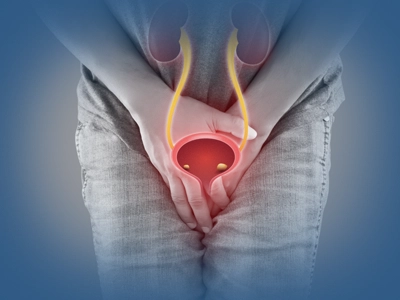
The urethra is the canal that allows urine in the bladder to be passed out of the body; it is approximately 20 cm long in men and approximately 4 cm long in women. Urethral diseases cover structural or functional disorders developing in this canal, such as stricture, inflammation, cysts, tumours or injury. When left untreated, they may lead to obstructive complications that affect the bladder and the kidneys.
Which Diseases and Conditions Are Treated?
- Urethral stricture: Narrowing of the urinary canal because of scar tissue; it obstructs urinary flow
- Urethritis: An infectious condition in which the urethra becomes inflamed by bacterial or sexually transmitted agents
- Urethral cysts and tumours: Benign or malignant masses developing in the canal
- Urethral injuries: Tearing and damage caused by a pelvic fracture or by external trauma
- Hypospadias: A congenital anomaly in which the urethral opening is in a position other than normal; it requires surgical correction in children
- Ureteral (urinary tract) obstruction: Impaired flow arising from a blockage at any level of the urinary tract
- Recurrent lower urinary tract infections: Urinary tract infections that become chronic because of an anatomical disorder
- Urethral fistulas: The formation of an abnormal channel between the urethra and neighbouring structures
When Should You Consult a Doctor?
- Marked weakening or thinning of the urinary stream
- Passing urine drop by drop or difficulty in starting the stream
- A burning sensation or pain when passing urine
- Three or more recurrent urinary tract infections a year
- Inability to pass urine (complete urinary retention) or a sense of incomplete emptying
- Blood in the urine (haematuria) or purulent discharge
- The urinary opening in children not being where it should be (suspected hypospadias)
- Difficulty in passing urine developing after trauma to the pelvic region
Emergency: Inability to pass urine is an emergency; with this symptom it is important to seek care without losing time.
Diagnosis and Detection Methods
Academic Hospital applies the following methods for the definitive diagnosis of urethral diseases:
| Method | What happens |
|---|---|
| A non-invasive first-line test that measures the patient's urinary flow rate and volume on a graph. It provides the first information about the severity of the stricture. | |
| Determination of the site and length of the stricture by X-ray imaging of the urethra after contrast material is given. It is the gold standard for preoperative planning. | |
| A method of viewing the inside of the urethra directly with a thin camera; it allows a cyst, tumour or stricture to be biopsied at the same time. | |
| A comprehensive functional test in which bladder filling and emptying pressures are measured; it assesses the function of the bladder neck and the sphincter. | |
| Applied to examine spread to the surrounding tissues in cases of tumour, fistula or injury. | |
| Used to identify the infectious agent. |
Treatment Approaches
The choice of treatment is determined according to the type of disease, the length of the stricture, and the age and general health of the patient.
| Method | What happens |
|---|---|
| Widening of the canal with a balloon or bougie in short and superficial strictures. It can be applied in a short time but carries a risk of the stricture recurring in the long term. | |
| Opening the stricture from the inside with a cutting instrument under cystoscopic guidance; it is an effective minimally invasive method in short, single-site strictures. | |
| Excision of the stricture and joining of the healthy ends in short strictures; the surgical method that provides the highest success rate. | |
| Reconstruction of the urethra in long strictures with a piece of tissue taken from the inner surface of the mouth. | |
| Repair carried out with genital skin tissue; preferred in complicated or recurrent strictures. | |
| Surgical repositioning of the abnormal urethral opening in children; generally performed between 6 and 18 months of age. | |
| Medical management of urethritis and infectious conditions. | |
| Temporary interventions aimed at emptying the bladder in acute urinary retention. |
At Academic Hospital Treatment of Urethral Diseases, assessment is carried out for the diagnosis and surgical treatment of all urinary canal diseases, including urethral stricture, hypospadias, urethritis and urethral tumours.
Book an AppointmentTreatment of Urethral Diseases at Academic Hospital
At Academic Hospital the assessment of urethral diseases begins with the completion of the diagnostic steps, primarily uroflowmetry, urethrography and urethroscopy, and the treatment plan is then built individually according to the site and length of the stricture. The following departments are worked with routinely:
- Urology: surgical and medical treatment of the lower urinary tract, cystoscopy and endoscopic interventions
- Pediatric Urology: surgical correction of hypospadias and congenital urinary tract anomalies
- Andrology: assessment of male reproductive health and of functional problems related to the urethra
- Radiology: retrograde urethrography, voiding cystourethrography and pelvic MRI imaging
- Infectious Diseases: agent-directed treatment in urethritis and recurrent urinary tract infections
- Urological Oncology: staging and multidisciplinary treatment planning in urethral tumours
- Urinary Incontinence and Bladder Health: assessment of bladder function with urodynamics after obstruction
Frequently Asked Questions
The answers to the questions most frequently asked about urethral diseases and their treatment are given below.
References
The general information given on this page about urethral diseases, diagnostic methods and surgical treatment options is supported by the reliable health sources listed below.
- European Association of Urology, "EAU Guidelines on Urethral Strictures (2023)", uroweb.org
- Chapple C, et al., "Urethral stricture", Nature Reviews Disease Primers, 2014, nature.com
- American Urological Association, "Diagnosis and Treatment of Urethral Stricture Disease (2023)", auanet.org
- Hayashi Y, et al., "Hypospadias", Orphanet Journal of Rare Diseases, ojrd.biomedcentral.com
The information on this page is for informational purposes only; it does not replace medical examination, diagnosis or treatment. Please consult a healthcare institution regarding your complaints.