
 WhatsApp
Male Reproductive and Sexual Health Programmes
Academic Hospital Andrology addresses the conditions that affect reproductive capacity, hormonal balance and sexual health in men through a comprehensive, process-based approach. Extending from semen analysis and genetic testing to sperm retrieval techniques, and from the management of hypogonadism to sexual health counselling, this process is carried out by a specialist team working in coordination with the urology, endocrinology and internal medicine departments. A separate assessment and follow-up plan is drawn up for every patient.
Contents
What Is Andrology?
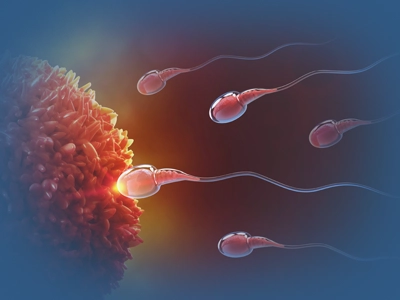
Andrology is the medical specialty that assesses reproductive system and hormonal health problems specific to men and develops individual programmes for them. Although it is a subspecialty of urology, it works in close coordination with endocrinology and reproductive medicine. Its areas of focus include testicular function, sperm production and quality, the hypothalamic-pituitary-gonadal axis, varicocele, ejaculation disorders and erectile dysfunction of organic origin. Andrology also provides a sexual health counselling service, in which the individual and the couple are involved through an understanding of the whole process.
Who Should Apply? Which Conditions Are Managed?
The men and couples who are advised to apply, and the conditions that are managed, are as follows:
- Male infertility: cases in which a disorder of sperm count, motility or morphology is identified, or in which pregnancy cannot be achieved without any such disorder being identified
- Azoospermia: the complete absence of sperm in the ejaculate; the distinction between obstructive and non-obstructive types has to be made
- Varicocele: venous dilatation around the testicle, which may adversely affect sperm quality and be associated with infertility
- Hypogonadism (testosterone deficiency): fatigue, reduced libido, muscle loss, depressed mood or loss of bone density due to a low testosterone level
- Erectile dysfunction (of organic origin): difficulty in achieving or maintaining an erection; cases of cardiovascular, hormonal or neurological origin
- Ejaculation disorders: premature ejaculation, delayed ejaculation or retrograde ejaculation (semen passing into the bladder)
- Peyronie's disease: curvature caused by the formation of a fibrous plaque in the penis, and pain during intercourse
- Assessment of reproductive capacity after cancer treatment: monitoring of sperm function in men who have received chemotherapy or radiotherapy and, where required, sperm banking
- Sexual health counselling: the need of an individual or a couple for information and guidance about the reproductive process
When Should You Apply?
- If pregnancy has not been achieved after 12 months despite unprotected intercourse (this period is 6 months for couples over the age of 35)
- If a previous semen analysis produced an abnormal result and assessment has been requested
- If a feeling of fullness, pain or visible enlargement has been noticed in the scrotum
- If there are symptoms suggesting testosterone deficiency, such as fatigue, loss of libido, reduced muscle mass or disturbed sleep
- If there is difficulty in achieving an erection during intercourse and an organic cause is to be investigated
- If sperm freezing (cryopreservation) is to be planned before chemotherapy or radiotherapy
- If there is curvature of the penis or pain during intercourse
Emergency: Sudden severe pain and swelling in the scrotum (suspected testicular torsion) may require emergency surgery; in this situation please go to the emergency department without delay.
Assessment, Diagnosis and Examination Process
At the first consultation the patient's medical history, reproductive goals, lifestyle and sexual health are assessed comprehensively. The process consists of the following stages:
| Stage | What happens |
|---|---|
| The duration of infertility, previous operations, chronic illnesses, medication used, smoking and alcohol habits and occupational exposures are reviewed | |
| Testicular volume, assessment for varicocele, palpation of the epididymis and vas deferens and secondary sexual characteristics are examined | |
| Sperm count, motility, morphology and semen volume are assessed against the WHO 2021 reference values; the sample is provided after 2-5 days of sexual abstinence | |
| Measurement of morning basal total testosterone, free testosterone, FSH, LH, prolactin, SHBG, oestradiol and TSH | |
| Assessment of the grade of varicocele, testicular volume and tissue, and epididymal pathology | |
| Karyotype analysis, Y-deletion analysis (AZFa/b/c regions) and CFTR mutation screening | |
| Advanced detection of sperm quality problems that may be missed on standard semen analysis |
Programmes, Methods and Techniques Applied
An individualised programme is designed for every patient according to the assessment results. The main methods and techniques applied are as follows:
- Lifestyle management programme: weight control, support for stopping smoking, reduction of heat exposure (laptop, sauna) and nutritional supplement counselling; the factors that adversely affect sperm parameters are assessed together
- Hormonal support programme: gonadotropin (hCG, rFSH) protocols in hypogonadism; this route is preferred instead of testosterone replacement when fertility is to be preserved. A monitoring programme with dopamine agonists in hyperprolactinaemia
- Varicocele management: the decision between follow-up and microsurgical varicocelectomy based on sperm parameters and testicular volume; semen analysis follow-up is planned after surgery
- Sperm retrieval techniques:
- TESA (testicular sperm aspiration): aspiration of the testicle with a fine needle
- TESE (testicular sperm extraction): retrieval of sperm through a biopsy of testicular tissue
- Micro-TESE: targeted search for sperm under the microscope in non-obstructive azoospermia; it provides the highest retrieval rate
- Erectile dysfunction programme: follow-up with PDE5 inhibitors (sildenafil, tadalafil) once the organic cause has been established; management of cardiovascular risk factors is given priority
- Peyronie's management programme: plaque control with collagenase injection in the acute phase; surgical correction is considered as an option in the chronic and stable phase
- Sperm cryopreservation: freezing and storage of sperm before chemotherapy or radiotherapy, preserving future reproductive options
- Coordination of assisted reproductive techniques: joint planning and follow-up with the reproductive medicine team during IUI, IVF or ICSI
- Sexual health counselling: information sessions to help the individual and the couple understand the process; coordination with psychiatry or couple therapy where required
Programme Duration and Follow-Up
Andrology programmes are planned over different periods according to the assessment findings and the goals set. Improvement in sperm parameters can generally be assessed after 3 months, because one cycle of sperm production (spermatogenesis) takes approximately 72 days.
| Type of programme | Duration and follow-up |
|---|---|
| Lifestyle change plus a control semen analysis at 3 months in mild sperm disorders | |
| 3-6 months of treatment follow-up on gonadotropin protocols, with a monthly hormone panel | |
| Semen analysis 3 and 6 months after surgery; monitoring until pregnancy is achieved or a decision is made to move on to assisted reproduction | |
| The sperm obtained is frozen and stored; coordination with the reproductive medicine team continues for IVF/ICSI planning | |
| Monitoring of the hormone panel and bone mineral density, with assessment every 6 months |
Book an appointment with the Academic Hospital Andrology Unit.
Book an AppointmentAndrology at Academic Hospital
At the Academic Hospital Andrology Unit, outpatient assessment, the planning of semen analysis and hormone tests, sperm retrieval procedures and sexual health counselling are all carried out under one roof. The programme is planned jointly with urology and endocrinology specialists. The unit works routinely with the following departments:
- Urology: planning of varicocele surgery, sperm retrieval and reproductive system procedures
- Endocrinology and Metabolic Diseases: management of hypogonadism, hyperprolactinaemia and disorders of the hormonal axis
- Internal Medicine: assessment of diabetes and cardiovascular risk factors
- Treatment of Sexual Dysfunctions: joint follow-up in erectile dysfunction and ejaculation disorders
- Gynecology and Obstetrics: assessment of the couple together and planning of the assisted reproduction process
- Radiology: scrotal ultrasonography and advanced imaging examinations
- Psychiatry: assessment of the emotional burden that accompanies infertility and coordination of couple therapy
Frequently Asked Questions
Answers to the questions most frequently asked about andrology are given below.
References
The general information given on this page about male reproductive health, semen analysis reference values and treatment approaches is supported by the reliable health sources listed below.
- American Urological Association, "Male Infertility: AUA/ASRM Guideline", auanet.org
- World Health Organization, "WHO Laboratory Manual for Human Semen Examination, 6th Edition", who.int
- European Association of Urology, "EAU Guidelines on Male Sexual Dysfunction", uroweb.org
- National Institutes of Health, "Hypogonadism: Diagnosis and Management", StatPearls, ncbi.nlm.nih.gov
The information on this page is for informational purposes only; it does not replace medical examination, diagnosis or treatment. Please consult a healthcare institution regarding your complaints.