
 WhatsApp
Expert Diagnosis and Treatment of the Abdominal Organs
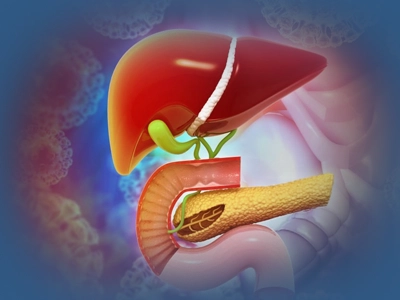
Pancreas, Liver and Bile Duct Diseases manages the diagnosis, treatment and follow-up of the diseases affecting these three critical organs with a multidisciplinary approach. Our team of gastroenterology, hepatology and surgery specialists provides care across a wide spectrum, from acute emergencies to chronic diseases and from benign cysts to cancer. The unit works in coordination with the gastroenterology department for the management of digestive system diseases, with medical oncology for the systemic treatment of liver and pancreatic cancers, and with general surgery for surgical procedures.
Contents
What Are Pancreatic, Liver and Bile Duct Diseases?
The pancreas is a dual-function organ that produces both digestive enzymes and insulin. The liver is responsible for metabolism, the clearance of toxins and the production of clotting factors. The gallbladder and bile ducts store the bile produced in the liver and deliver it to the intestine. Diseases in which these three organs are affected either independently of one another or in association require a specialised diagnostic and treatment infrastructure, because the pathologies of these organs are closely related both in terms of symptoms and in terms of treatment options.
Which Diseases and Conditions Are Treated?
- Acute pancreatitis and chronic pancreatitis
- Pancreatic cysts (pseudocyst, IPMN, mucinous cystic neoplasm)
- Pancreatic cancer and tumours of the ampulla of Vater
- Cholelithiasis (gallstones) and its complications
- Cholangitis (inflammation of the bile ducts), choledocholithiasis
- Primary sclerosing cholangitis (PSC) and primary biliary cholangitis (PBC)
- Liver cysts and liver abscess
- Liver cancer (hepatocellular carcinoma) and liver metastases
- Viral hepatitis B and hepatitis C
- Alcoholic and non-alcoholic liver disease (NASH/NAFLD)
- Cirrhosis and the complications of portal hypertension
- Autoimmune hepatitis
When Should You Seek Medical Advice?
- Recurrent or continuous pain in the upper abdomen or in the right flank
- Jaundice (yellowing of the skin and eyes), dark urine, pale stools
- Nausea, vomiting, loss of appetite, weight loss
- Abdominal swelling or newly developed ascites (accumulation of fluid within the abdomen)
- Tiredness, weakness and raised liver enzymes in blood tests
- Pain in the upper right abdomen and indigestion after fatty meals
- Abdominal pain together with fever (suspected cholangitis; may require emergency attendance)
- People previously diagnosed with hepatitis B or C who are not attending regular follow-up
Emergency: If severe abdominal pain is accompanied by fever, shivering and jaundice, do not wait for an outpatient appointment. In this situation call 112 or go to the nearest emergency department.
Diagnostic and Assessment Methods
For an accurate diagnosis, imaging, endoscopic and laboratory methods are assessed together; the unit performs the greater part of these tests in house.
| Method | What it is used for |
|---|---|
| First-line imaging of structural changes such as gallstones, liver cysts and enlargement of the pancreas | |
| Assessment of tumour size, spread and vascular relationships | |
| Detailed imaging of the bile ducts and the pancreatic duct without radiation | |
| Examination of the bile ducts for both diagnostic and therapeutic purposes | |
| High-resolution imaging of pancreatic masses and lymph nodes; fine needle biopsy | |
| Diagnosis of hepatitis, the stage of fibrosis and autoimmune disease | |
| Measurement of liver stiffness (the degree of fibrosis) without the need for a biopsy | |
| Liver enzymes, bilirubin, pancreatic amylase and lipase, tumour markers (CA 19-9, AFP), viral hepatitis serology |
Treatment Approaches
The treatment method is individualised according to the type and stage of the disease and the patient's general state of health; endoscopic, surgical and medical methods are used in an integrated way.
| Treatment | Scope and application |
|---|---|
| Endoscopic removal of stones or strictures in the bile duct; offers an alternative to surgery | |
| Closed gallbladder surgery performed for gallbladder stones | |
| Extensive surgery involving the head of the pancreas, the duodenum and the gallbladder; performed in cancer of the pancreatic head and in ampullary tumours | |
| Surgical removal of the body and tail of the pancreas | |
| Surgical removal of the tumour in liver cancer or liver metastases | |
| Occlusion of the vessel feeding the tumour in liver cancer together with the delivery of chemotherapy; planned jointly with interventional radiology | |
| Medication protocols that suppress the viral load in hepatitis B and C | |
| Endoscopic and medical treatment of the complications of portal hypertension (varices, ascites) |
Book an appointment with the Academic Hospital Pancreas, Liver and Bile Duct Unit.
Book an AppointmentPancreas, Liver and Bile Duct Diseases at Academic Hospital
At the Academic Hospital Pancreas, Liver and Bile Duct Unit, outpatient assessment, imaging and endoscopic examinations, surgical planning and the long-term follow-up of chronic liver diseases are all carried out under one roof. The unit works routinely with the following departments:
- Gastroenterology: medical management and endoscopic follow-up of digestive system diseases
- Medical Oncology: systemic treatment of liver and pancreatic cancers
- General Surgery: cholecystectomy and pancreatic and liver surgery procedures
- Endoscopy: performance of ERCP and endoscopic ultrasonography procedures
- Interventional Radiology: TACE and procedures carried out under imaging guidance
- Radiology: ultrasonography, computed tomography and MRCP examinations
- Infectious Diseases: planning and monitoring of viral hepatitis treatment
Frequently Asked Questions
The answers to the questions most frequently asked about the Pancreas, Liver and Bile Duct Unit are given below.
References
The general information given on this page about pancreatic, liver and bile duct diseases, diagnostic methods and treatment options is supported by the reliable health sources listed below.
- National Institute of Diabetes and Digestive and Kidney Diseases (NIH), "Pancreatitis", niddk.nih.gov
- World Health Organization, "Hepatitis C Fact Sheet", who.int
- Mayo Clinic, "Gallstones: Symptoms and Causes", mayoclinic.org
- National Cancer Institute, "Pancreatic Cancer Treatment (PDQ)", cancer.gov
The information on this page is for informational purposes only; it does not replace medical examination, diagnosis or treatment. Please consult a healthcare institution regarding your complaints.