

 WhatsApp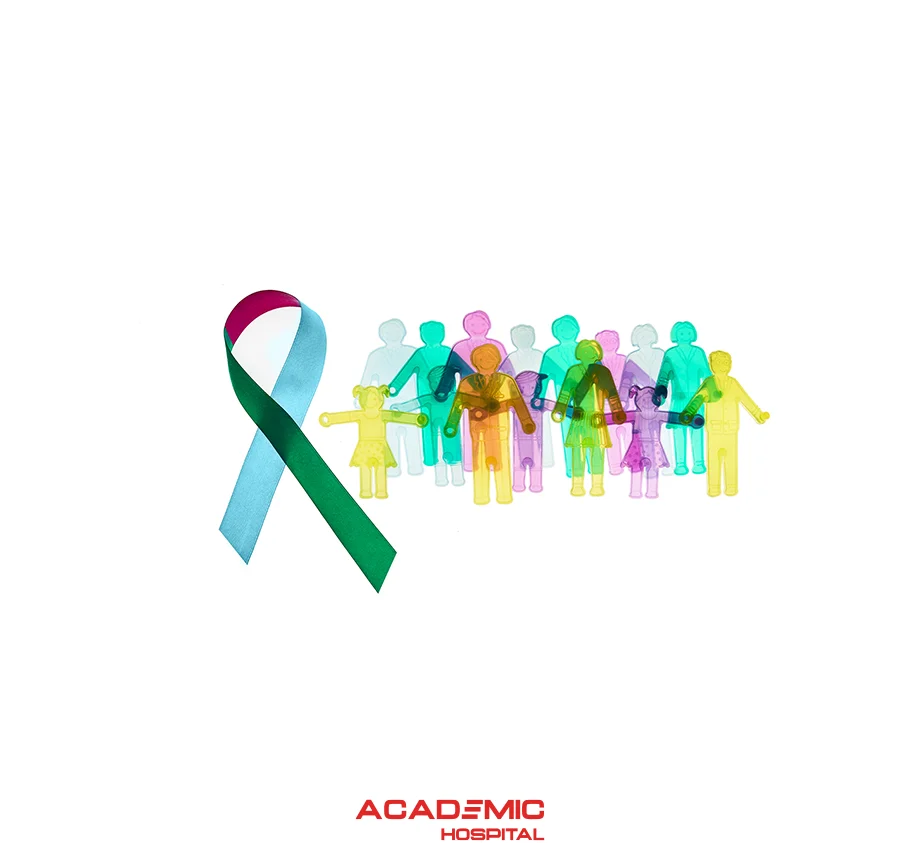
What Are Rare Diseases? Living with Rare Diseases
Contents
The World Health Organization (WHO) generally defines rare diseases as diseases that occur in 1 in 2,000 people or less. Rare diseases generally refer to diseases seen in a small percentage of the population. Researching and treating these diseases can often be difficult. Their low prevalence may affect drug and treatment development processes.
The European Organisation for Rare Diseases (#EURORDIS) declared February 29, a rare date that occurs every four years, as Rare Disease Awareness Day starting from 2008 in order to raise awareness about diseases that are rarely encountered or may be overlooked.
Rare diseases include many different conditions related to genetic, infectious, autoimmune and environmental factors.
Get information from our specialists about rare diseases and long-lasting unexplained complaints.
Book an AppointmentWhat Are Rare Diseases?
Rare diseases cover a wide spectrum. Each has different symptoms and effects. Some rare diseases may show symptoms during childhood, while others may be noticed in adulthood. Therefore, family history, clinical findings, laboratory tests, imaging methods and, when necessary, genetic evaluation should be considered together.
What Are Examples of Rare Diseases?
- Cystic Fibrosis: Cystic fibrosis, an inherited disease, is characterized by thickening of secretions in glands in the body, such as those in the respiratory tract and digestive system.
- Huntington’s Disease: It is a genetic disease that affects the central nervous system and has a progressive course. It may lead to movement disorders, cognitive decline and emotional problems.
- Progeria (Aging Syndrome): It is a genetic disease characterized by signs of aging during childhood.
- Hemophilia: It is a genetic disease that affects blood clotting. It may cause bleeding disorders due to deficiency or low levels of one of the clotting factors.
- Fanconi Anemia: It is a genetic disease that occurs as a result of bone marrow failure.
- Autoimmune Hemolytic Anemia: It is a disease that occurs when the immune system attacks red blood cells.
- Mucopolysaccharidoses (MPS): These are a group of diseases caused by deficiency of enzymes that break down mucopolysaccharides in the body and usually affect the bones, joints, heart and respiratory system.
- Spinal Muscular Atrophy (SMA): It begins in infancy or childhood. It is a genetic disorder that causes damage to the nerve cells controlling muscles.
- Behçet Syndrome (BS): It is a disease characterized by chronic, recurrent ulcers, genital ulcers, uveitis (eye inflammation) and skin lesions.
- Cone Dystrophy: It is an inherited eye disorder that affects cone cells in the retina.
- Bloom Syndrome: It is a genetic disorder characterized by short stature, sun-sensitive skin changes (such as rash or blisters), increased risk of cancer at an early age and other health problems.
- Yellow Fever: It is an infectious disease caused by a virus called Flavivirus. It is transmitted to humans by Aedes aegypti mosquitoes. It is usually seen in tropical and subtropical regions such as Africa and South America.
- Barakat Syndrome: It is a genetic syndrome characterized by urinary system anomalies, deafness and kidney disease.
- Uterine Leiomyosarcoma: It is a type of cancer arising from the uterine muscle tissue. Leiomyosarcomas are malignant tumors arising from smooth muscle cells. These tumors usually occur in the uterus and rarely in the ovaries or cervix.
- Ewing Sarcoma: It is a type of cancer usually seen in bones or, less commonly, in soft tissues.
These examples show the diversity of rare diseases; however, approximately 8,000 rare diseases have been described in the literature, and 80% of these diseases are genetically inherited. The symptoms, course and treatment of each disease may differ.
Living with Rare Diseases
Diagnosis of these diseases can often take a long time, and reaching the right treatment can be difficult. Rare diseases usually have a serious and chronic course, which may negatively affect the quality of life of patients and their families.
Regular follow-up, accurate information, psychosocial support and a multidisciplinary approach are important when living with rare diseases. Keeping regular records of current symptoms, medications used, family history and previous tests may contribute to the diagnosis and treatment process.
Why Are Diagnosis and Follow-up Important in Rare Diseases?
Early and accurate diagnosis in rare diseases is important for understanding the course of the disease, preventing complications, determining the need for genetic counseling and planning appropriate treatment options. While disease-specific treatments are available for some conditions, in others supportive treatment and follow-up aimed at improving quality of life may be the main focus.
Suspicion of a Rare Disease Should Not Be Delayed
For long-lasting, recurrent or unexplained complaints, you can book an appointment with Academic Hospital specialists for a personalized evaluation and the necessary test plan.
Frequently Asked Questions
References
The general information in this article about the definition of rare diseases, Rare Disease Day, the diagnostic process and living with rare diseases is supported by the following authoritative health sources.
- EURORDIS, “What is a rare disease?”, eurordis.org
- Rare Disease Day, “Rare Disease Day 2008”, rarediseaseday.org
- European Commission, “Rare diseases”, health.ec.europa.eu
- Orphanet, “Diseases”, orpha.net
- NIH Genetic and Rare Diseases Information Center, rarediseases.info.nih.gov