
 WhatsApp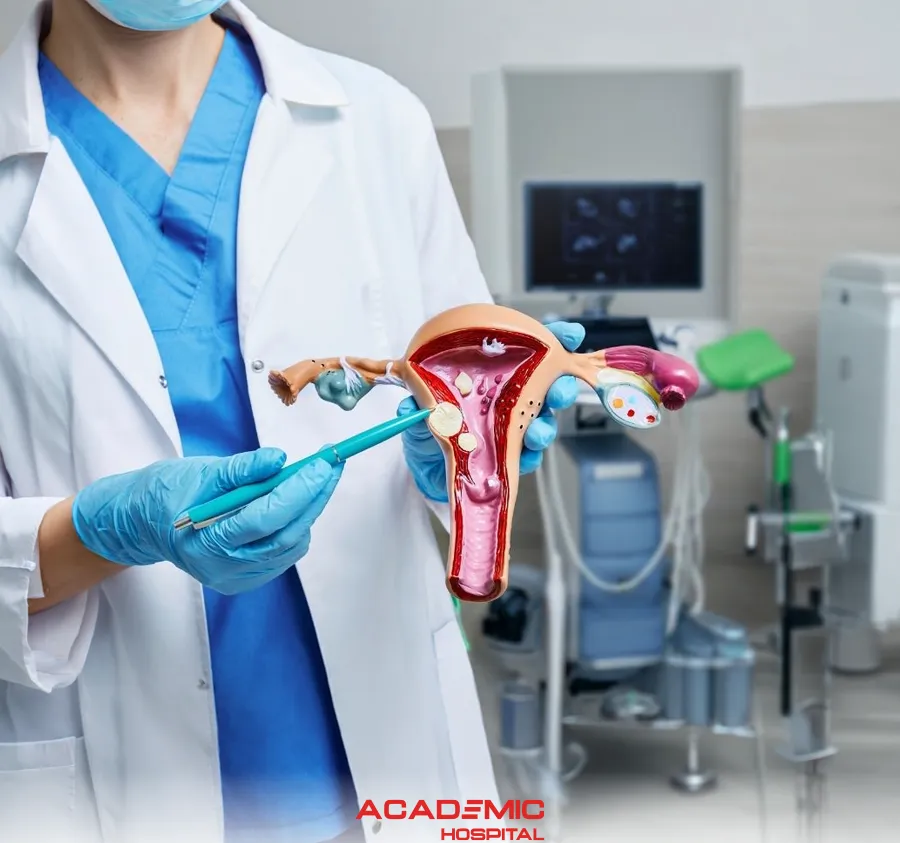
What Are Uterine Fibroids? Symptoms, Types and Treatment Methods
Contents
Fibroids are one of the most common conditions in gynecology. These benign growths, which may be seen in many women, often progress unnoticed. However, in some cases they may cause complaints that affect quality of life.
What Are Uterine Fibroids?
A fibroid, medically known as a uterine fibroid, is a benign, non-cancerous mass that develops from the muscle layer of the uterus. It is quite common in women and usually appears during reproductive years. Most fibroids remain small and do not cause any symptoms. For this reason, many women learn that they have fibroids during a routine gynecological examination.
What Causes Fibroids?
The exact cause of fibroid formation is not fully known, but some factors are known to be involved. These include:
- Genetic predisposition
- Periodic hormonal changes, such as pregnancy and menopause
- Early age at first menstruation
- Obesity
- Low number of births
You can contact us for evaluation in suspected fibroids, menstrual irregularity or heavy bleeding complaints.
Book an AppointmentWhat Are the Symptoms of Fibroids?
Not every fibroid causes symptoms. However, the following complaints may occur:
- Heavy and prolonged menstrual bleeding
- Menstrual irregularity
- Pelvic and lower back pain
- Frequent urination
- Constipation
- Abdominal swelling or feeling of fullness
What Are the Types of Fibroids?
Fibroids are classified according to their location in the uterus:
- Submucosal fibroid: Grows toward the uterine cavity.
- Intramural fibroid: Located within the uterine wall.
- Subserosal fibroid: Grows toward the outer surface of the uterus.
How Are Fibroids Diagnosed?
Fibroids are usually noticed during gynecological examination while performing ultrasonography. Another method used for diagnosis is magnetic resonance imaging (MRI).
What Are Fibroid Treatment Methods?
Fibroid treatment is planned according to the size and number of fibroids and the patient’s symptoms.
1. Follow-up: Small fibroids that do not cause symptoms may be monitored with regular checkups.
2. Medication treatment: Symptoms may be reduced with hormone-regulating medications.
3. Surgical treatment:
- Myomectomy, removal of only the fibroid
- Hysterectomy, removal of the uterus
Minimally Invasive Methods
- Laparoscopic surgery
- Hysteroscopic surgery
Can Fibroids Turn Into Cancer?
Fibroids are generally benign and the risk of turning into cancer is very low. However, rapidly growing or suspicious masses must be evaluated with further tests.
When Should You See a Doctor?
- Excessive and frequent menstrual bleeding
- Severe abdominal pain
- Inability to become pregnant despite pregnancy planning
- A palpable mass in the abdomen
Although fibroids are often harmless, in some cases they may cause serious complaints. Therefore, regular gynecological checkups should not be neglected.
Get Evaluated for Fibroid Symptoms
Heavy menstrual bleeding, menstrual irregularity, pelvic pain, frequent urination or pregnancy plans should be evaluated gynecologically in the presence of fibroids.
Frequently Asked Questions
References
- ACOG. Uterine Fibroids
- Mayo Clinic. Uterine fibroids - Symptoms and causes
- Mayo Clinic. Uterine fibroids - Diagnosis and treatment
- Office on Women’s Health. Uterine Fibroids