

 WhatsApp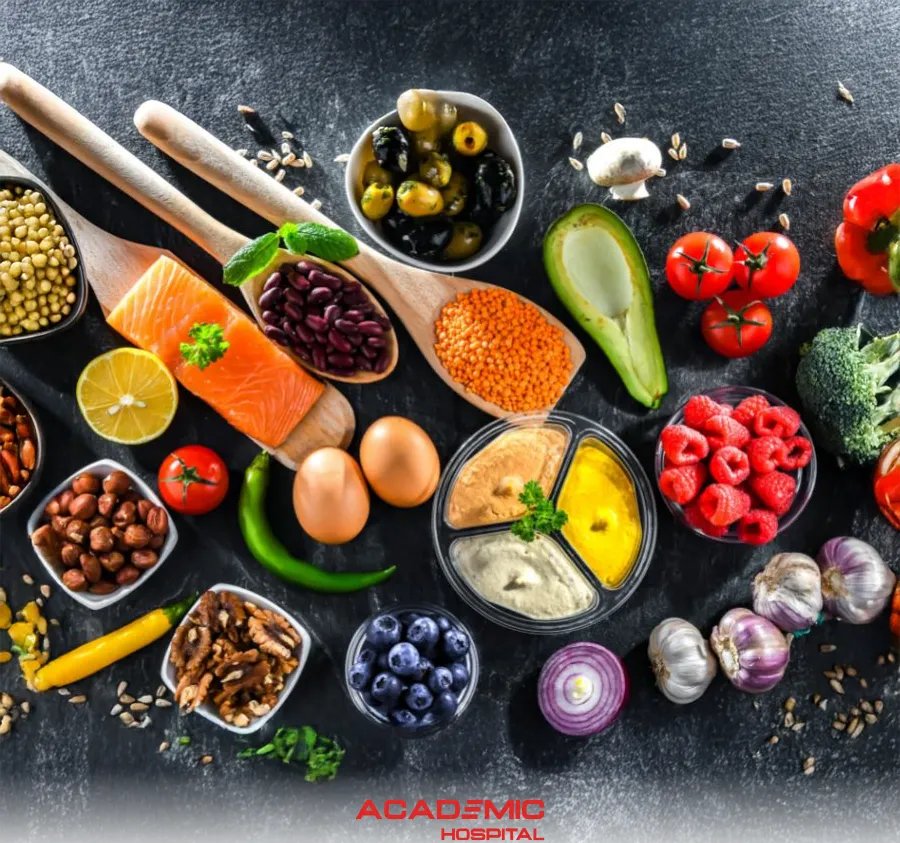
The Importance of the Mediterranean Diet and High-Polyphenol Extra Virgin Olive Oil (EVOO)
Contents
- The Mediterranean Diet and the Role of Olive Oil
- Phenolic Content and Health-Related Effects of EVOO
- What Determines Olive Oil Quality?
- Traditional and Modern Production Methods
- Benefits of Olive Oil in Scientific Studies
- EVOO Compared With Other Oils
- What to Consider When Choosing Olive Oil
- How Should Olive Oil Be Stored?
- Frequently Asked Questions
The Mediterranean diet is a dietary pattern that emphasizes vegetables, fruits, whole grains, legumes, fish, nuts and olive oil. Many studies have associated this pattern with favorable cardiovascular and metabolic outcomes. These effects should be considered the result of the overall dietary pattern, not a single food alone.
The Mediterranean Diet and the Role of Olive Oil
Olive oil is one of the main fat sources in the Mediterranean diet. This dietary pattern supports plant-forward foods, fiber-rich choices, moderate fish and seafood intake, and limited intake of red meat and ultra-processed foods.
EVOO stands for extra virgin olive oil. It refers to unrefined olive oil obtained by mechanical methods and meeting specific sensory and chemical quality criteria. However, not every product sold as “extra virgin” has the same quality, freshness or phenolic content.
Phenolic Content and Health-Related Effects of EVOO
Phenolic compounds in extra virgin olive oil are related to bitterness, pungency, aroma and oxidative stability. Oleocanthal, oleuropein derivatives and hydroxytyrosol are examples of these compounds.
In the European Union, an authorized health claim states that olive oil polyphenols contribute to the protection of blood lipids from oxidative stress, provided that the oil contains a specific amount of hydroxytyrosol and its derivatives. Therefore, “high-polyphenol” claims are best supported by laboratory analysis.
What Determines Olive Oil Quality?
Olive oil quality should not be judged by taste alone. Chemical analysis, sensory assessment, production method, freshness, packaging and storage conditions should be evaluated together.
- Freshness: A recent harvest or milling date is important.
- Sensory quality: Fresh grass, green fruit, artichoke, almond or grassy notes may be positive. Musty, paint-like, rancid or metallic odors may suggest quality problems.
- Bitterness and pungency: These may provide clues about phenolic content but are not precise measurements.
- Packaging: Dark glass or light-protective packaging is preferable.
- Producer reliability: Analysis reports, production/milling date and storage transparency are useful.
Traditional and Modern Production Methods
Traditional methods often involved stone mills or hot-water processes, which may reduce some aromatic and phenolic compounds. Modern production aims to process olives soon after harvest, reduce oxygen exposure and use low-temperature mechanical extraction to help preserve quality.
Terms such as “cold pressed” or “cold extracted” indicate that heat was kept within certain limits during production. Still, this term alone is not enough; olive quality, harvest time, transport, waiting time, mill conditions and storage also determine the final product.
Benefits of Olive Oil in Scientific Studies
Studies on Mediterranean-style eating and olive oil consumption have reported favorable findings related to cardiovascular risk, metabolic markers, blood pressure and inflammation. These findings are commonly linked to olive oil’s monounsaturated fat profile, phenolic compounds and its use in place of saturated fats.
These studies support olive oil as part of an overall approach that includes balanced nutrition, physical activity, weight management, smoking cessation, regular medical follow-up and medication when needed—not as a stand-alone treatment.
EVOO Compared With Other Oils
Extra virgin olive oil is notable for its monounsaturated fatty acids and phenolic compounds. Refined oils generally contain fewer phenolic compounds. Sunflower, corn and other vegetable oils have different fatty acid profiles; each oil should be evaluated according to its purpose, heat stability and total role in the diet.
EVOO may be used for cold applications and moderate-heat cooking. However, no oil should be overheated, repeatedly reused or brought to burning point. Total daily fat and calorie intake should also be considered.
What to Consider When Choosing Olive Oil
When choosing olive oil, consider not only the brand or price but also production date, harvest period, packaging, storage conditions and sensory quality. High-quality olive oil is valuable not only for health expectations but also for flavor and culinary use.
- Prefer products with a harvest or milling date.
- Consider early-harvest, cold-extracted products with analysis information when available.
- Choose dark glass, tin or other light-protective packaging.
- Use bitterness and throat pungency as clues, but rely on analysis for precise phenolic content.
- Do not expect high polyphenol content from refined, blended or pomace olive oils; their intended use is different.
How Should Olive Oil Be Stored?
Heat, air and light can accelerate oxidation and reduce olive oil quality. Olive oil should be stored in a cool, dark place with the cap tightly closed. Keeping it near the stove, on a sunny countertop or in a clear bottle for a long time is not ideal.
For daily use, transferring a small amount into a dark small bottle, avoiding frequent opening of the main container and consuming the product within a reasonable time can help preserve quality.
Healthy Nutrition Should Be Personalized
Mediterranean-style eating, olive oil intake, weight control, chronic diseases and medications should be evaluated together.
Frequently Asked Questions
References
- Academic Hospital. Akdeniz Diyeti ve Yüksek Polifenollü Zeytinyağının Önemi (EVOO)
- American Heart Association. The Benefits of Adding a Drizzle of Olive Oil to Your Diet
- American Heart Association. What is the Mediterranean Diet?
- EUR-Lex. EU Register of Nutrition and Health Claims: Olive Oil Polyphenols
- Harvard Health Publishing. Extra-virgin Olive Oil May Be Healthier Than Regular Olive Oil