
 WhatsApp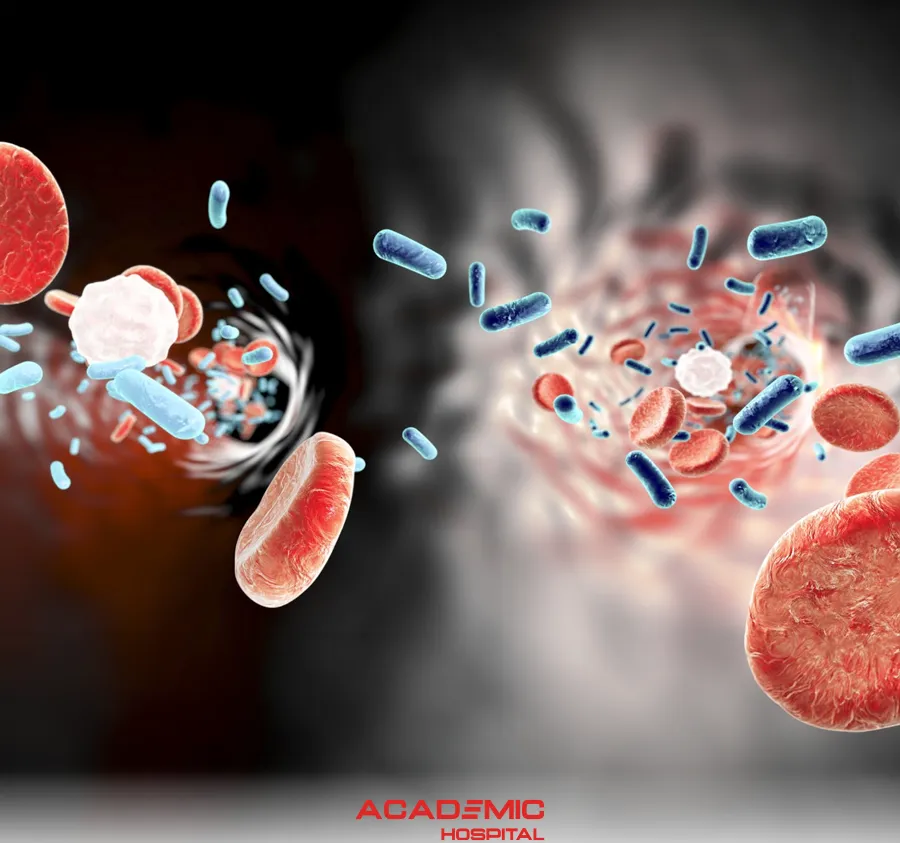
What Is Sepsis? Symptoms, Causes, Diagnosis and Treatment
Contents
- What Is Sepsis?
- Is Sepsis “Blood Poisoning”?
- What Is Septic Shock?
- Which Medical Teams Treat Sepsis?
- What Are the Symptoms of Sepsis?
- What Causes Sepsis?
- Who Is at Higher Risk?
- How Is Sepsis Diagnosed?
- How Is Sepsis Treated?
- Antimicrobial Treatment
- Fluids and Vasopressors
- Source Control
- Recovery After Sepsis
- Can Sepsis Be Prevented?
- When Should Emergency Care Be Sought?
- Frequently Asked Questions
What Is Sepsis?
Sepsis is life-threatening organ dysfunction caused by a dysregulated response to infection.
An infection beginning in the lungs, urinary tract, abdomen, skin or another part of the body can progress to sepsis. The condition can deteriorate rapidly and affect the circulation, lungs, kidneys, brain, liver and other organs.
Is Sepsis “Blood Poisoning”?
The term “blood poisoning” is commonly used to describe sepsis, but it does not accurately describe the medical process.
Sepsis does not require microorganisms to be circulating in the bloodstream, and a positive blood culture is not required for the diagnosis.
Bacteraemia means bacteria are present in the bloodstream. Bacteraemia can contribute to sepsis, but not every bacteraemia causes sepsis and patients with sepsis may have negative blood cultures.
What Is Septic Shock?
Septic shock is a particularly severe form of sepsis involving major circulatory and metabolic abnormalities.
Blood pressure may remain dangerously low despite appropriate fluid therapy, requiring vasopressor medication to maintain adequate circulation.
Septic shock carries a higher risk of organ failure and death and usually requires intensive-care management.
Which Medical Teams Treat Sepsis?
Sepsis often requires multidisciplinary care involving Emergency Medicine, Intensive Care, Infectious Diseases and Internal Medicine.
Depending on the source of infection, surgeons, pulmonologists, urologists and other specialists may also be involved.
A patient with suspected sepsis should receive emergency medical assessment rather than wait for a routine outpatient appointment.
What Are the Symptoms of Sepsis?
There is no single symptom that identifies sepsis.
Possible signs and symptoms include:
- Fever, shivering or abnormally low body temperature
- Fast heart rate
- Rapid breathing or difficulty breathing
- New confusion or disorientation
- Severe weakness or deterioration in general condition
- Extreme pain or discomfort
- Cold, clammy, pale or mottled skin
- Low blood pressure
- Reduced urine output
What Causes Sepsis?
Sepsis develops when the body's response to an infection results in organ dysfunction.
It may be caused by bacterial, viral, fungal or certain parasitic infections.
Common sites of infection include:
- Lungs, including pneumonia
- Urinary tract and kidneys
- Abdomen and biliary tract
- Skin and soft tissues
- Healthcare-associated infections involving catheters or other devices
Who Is at Higher Risk of Sepsis?
Anyone with an infection can develop sepsis, but risk is higher in:
- Older adults
- Newborns and young children
- Pregnant or recently pregnant people
- People with weakened immune systems
- Patients receiving cancer treatment
- People with chronic kidney or liver disease
- Patients with serious chronic medical conditions
- Hospitalised and intensive-care patients
- People with invasive medical devices
How Is Sepsis Diagnosed?
There is no single blood test that can diagnose or exclude sepsis by itself.
Assessment focuses on evidence of infection together with signs of organ dysfunction.
Tests may include:
- Blood pressure, heart rate, respiratory rate, oxygen saturation and temperature
- Mental-status assessment
- Complete blood count
- Kidney and liver function tests
- Blood gas and lactate measurement
- Blood cultures
- Cultures of urine, sputum, wounds or other appropriate samples
- Imaging such as chest X-ray, ultrasound or CT when indicated
A negative blood culture does not exclude sepsis.
How Is Sepsis Treated?
Sepsis treatment takes place in hospital and severe cases require intensive care.
The main priorities are to:
- Treat the infection rapidly and appropriately
- Restore and maintain adequate tissue perfusion
- Control the source of infection
- Support the lungs, circulation, kidneys and other affected organs
- Frequently reassess response to treatment
Antimicrobial Treatment
When bacterial sepsis or a serious bacterial infection is strongly suspected, appropriate antimicrobial treatment should be started promptly.
Immediate treatment is particularly important in patients with septic shock or a very high likelihood of sepsis.
Initial empirical therapy can later be narrowed or changed when culture and other microbiological results identify the likely pathogen.
Fluids and Vasopressors
Intravenous fluids may be used when sepsis causes impaired circulation or low blood pressure.
Fluid therapy is individualised according to blood pressure, cardiac and kidney function, tissue perfusion and response to treatment.
If blood pressure remains inadequate despite fluids, vasopressors may be required. Norepinephrine is a commonly recommended first-line vasopressor in septic shock.
Source Control
Antimicrobial treatment alone may not be sufficient when there is a source of infection that requires intervention.
Examples include an abscess, obstructed infected biliary system, intra-abdominal perforation, infected catheter or necrotic infected tissue.
Drainage, surgery or removal of an infected device may therefore be required as part of source control.
Recovery After Sepsis
Recovery can continue after discharge from hospital.
Some survivors, particularly after severe sepsis or septic shock, may experience prolonged fatigue, muscle weakness, sleep problems, cognitive difficulties, anxiety, depressive symptoms or difficulty returning to normal daily activities.
Physical, cognitive and psychological needs may therefore require follow-up during recovery.
Can Sepsis Be Prevented?
Not every case is preventable, but preventing infections and treating them appropriately can reduce the risk.
- Receive recommended vaccinations
- Practise good hand hygiene
- Clean and monitor wounds appropriately
- Seek timely care for infections, particularly in high-risk patients
- Use antibiotics appropriately
- Follow infection-prevention measures in healthcare settings
When Should Emergency Care Be Sought?
Urgent medical assessment is required if a person with a known or suspected infection develops:
- New confusion or difficulty waking
- Severe breathlessness or very rapid breathing
- Fainting or very low blood pressure
- Cold, clammy, pale or mottled skin
- Marked reduction in urine output
- Extreme pain or a feeling of being unusually unwell
- Rapid deterioration in general condition
Do not wait for a routine outpatient appointment when sepsis is suspected. Emergency medical care is required.
Have Infection Symptoms Assessed Promptly
An assessment can be arranged for infection symptoms. Rapid deterioration, confusion, severe breathing difficulty or circulatory collapse may indicate sepsis and require emergency medical care.
Frequently Asked Questions
References
- Academic Hospital. Sepsis (Blood Poisoning)
- World Health Organization. Sepsis
- Centers for Disease Control and Prevention. About Sepsis
- Evans L, Rhodes A, Alhazzani W, et al. Surviving Sepsis Campaign: International Guidelines for Management of Sepsis and Septic Shock 2021
- Society of Critical Care Medicine. Surviving Sepsis Campaign Guidelines and Resources