
 WhatsApp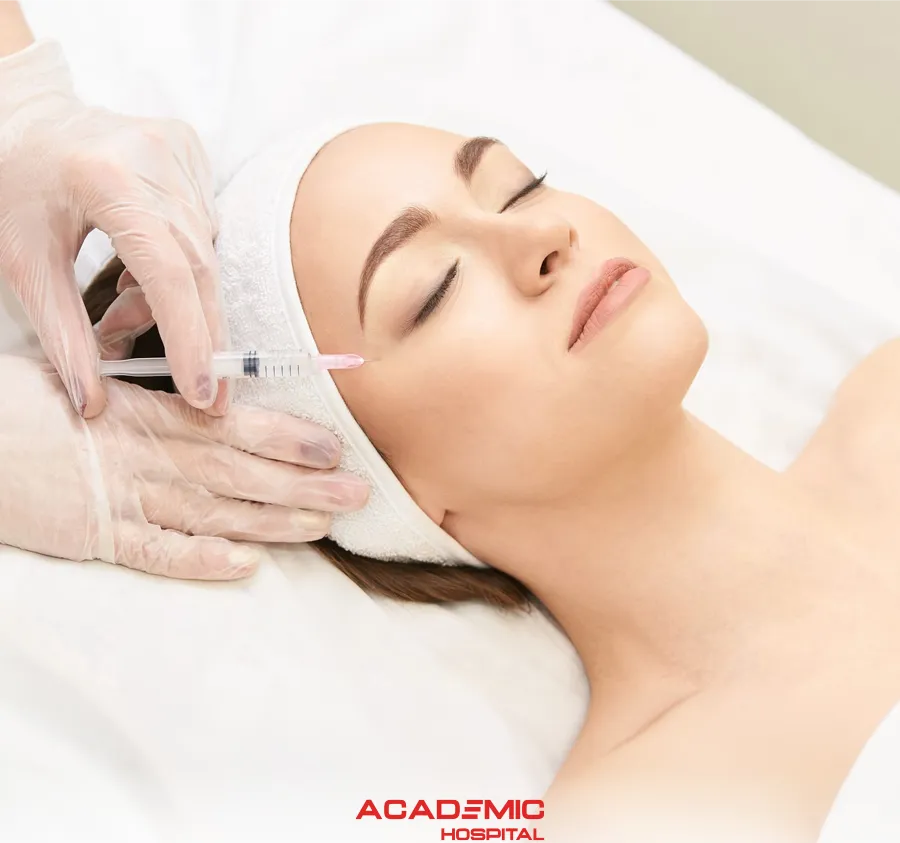
What Is the “Italian Glow”? How Is Skin Mesotherapy Performed?
Contents
What Is the “Italian Glow”?
“Italian Glow” is a popular term used for certain intradermal mesotherapy or skin-booster protocols intended to support skin hydration and overall skin quality.
It is not a single standardised medical treatment or a universally defined product. The formulation used may vary between products and treatment protocols.
Some preparations may contain hyaluronic acid, amino acids, vitamins, antioxidants or other supportive ingredients.
What Can Skin Mesotherapy Contain?
The formulation varies according to the product used. Some skin mesotherapy or skin-booster products may contain:
- Hyaluronic acid: May support skin hydration.
- Amino acids: May be included as supportive ingredients in certain formulations.
- Vitamins and antioxidants: May be present depending on the product.
- Minerals or other compounds: May be included in some commercial preparations.
The presence of these ingredients does not guarantee a specific aesthetic result in every patient.
What Effects May It Have on the Skin?
Some studies of intradermal hyaluronic acid products have reported improvements in skin hydration, elasticity and selected skin-quality parameters.
Depending on the product and patient, treatment may aim to:
- Support skin hydration,
- Improve the appearance of dry or dull skin,
- Support smoother-looking skin texture,
- Improve the appearance of skin elasticity and radiance.
However, it is not appropriate to assume that every mesotherapy formulation removes pigmentation, eliminates wrinkles, stimulates collagen or produces rejuvenation to the same degree.
Published studies using different mesotherapy formulations have produced varying results, and some studies have not demonstrated significant clinical or histological improvement.
How Is Mesotherapy Different From Skin Creams?
Topical skincare and mesotherapy are different approaches.
Creams and serums are applied to the skin surface. Mesotherapy delivers a selected product through multiple small injections into the skin or into an anatomical layer appropriate for that product.
Being injected does not automatically mean that mesotherapy is more effective or longer-lasting than every topical skincare product.
Results depend on the active ingredients, formulation, treatment technique, skin characteristics and the specific condition being treated.
Which Areas Can Be Treated?
Depending on the product and indication, skin-quality treatments may be used on areas such as:
- Face,
- Neck,
- Décolletage,
- Hands.
The eye area requires separate assessment because of its delicate anatomy. Not every injectable product is suitable for use around the eyes.
Who May Be Suitable?
Skin mesotherapy may be considered in suitable adults seeking a minimally invasive treatment for concerns such as dryness, dull appearance or age-related changes in skin quality.
Medical history, medications, allergies, previous aesthetic procedures and active skin conditions should be reviewed before treatment.
Treatment should not be performed through an area of active infection or significant inflammation. Elective cosmetic injections are generally postponed during pregnancy and breastfeeding.
How Is Skin Mesotherapy Performed?
The skin and treatment areas are assessed before the procedure.
After cleansing and antiseptic preparation, a topical anaesthetic may be used when appropriate. Small amounts of the selected product are then delivered through multiple injection points.
Injection depth, volume and distribution vary depending on the product and anatomical area. There is no single injection pattern appropriate for every treatment.
How Many Sessions Are Needed?
There is no universal rule that every treatment requires four to six sessions at 10- to 15-day intervals.
The number and timing of sessions depend on:
- The manufacturer's protocol,
- The formulation used,
- The treatment area,
- Baseline skin condition,
- Individual response to treatment.
For example, one 2024 study examining an intradermal complex containing hyaluronic acid, amino acids and antioxidant vitamins used three treatments at two-week intervals. That protocol cannot automatically be applied to other products.
What Are the Side Effects?
Temporary effects after intradermal injections may include:
- Redness,
- Tenderness,
- Small raised areas at injection sites,
- Bruising,
- Swelling,
- Mild burning or stinging.
Less common complications can include infection, inflammatory reactions, allergic reactions, pigment changes or adverse effects specific to the injected product.
Aftercare
Aftercare recommendations vary according to the product and treatment area.
General recommendations may include keeping the area clean, avoiding unnecessary rubbing or massage, temporarily limiting intense heat or trauma, using appropriate sun protection and following the instructions provided by the treating healthcare professional.
Skin Mesotherapy Should Be Individualised
Different ingredients and protocols may be marketed under the term “Italian Glow”. The formulation, treatment area, session schedule and expected results should therefore be individually assessed.
Frequently Asked Questions
References
- Academic Hospital. Italian Glow – For Healthier-Looking Skin
- Siquier-Dameto G, et al. Intradermal Treatment with a Hyaluronic Acid Complex Supplemented with Amino Acids and Antioxidant Vitamins Improves Cutaneous Hydration and Viscoelasticity in Healthy Subjects
- Systematic Review and Meta-analysis. The Effect of Local Hyaluronic Acid Injection on Skin Aging
- El-Domyati M, et al. Efficacy of Mesotherapy in Facial Rejuvenation: A Histological and Immunohistochemical Evaluation