
 WhatsApp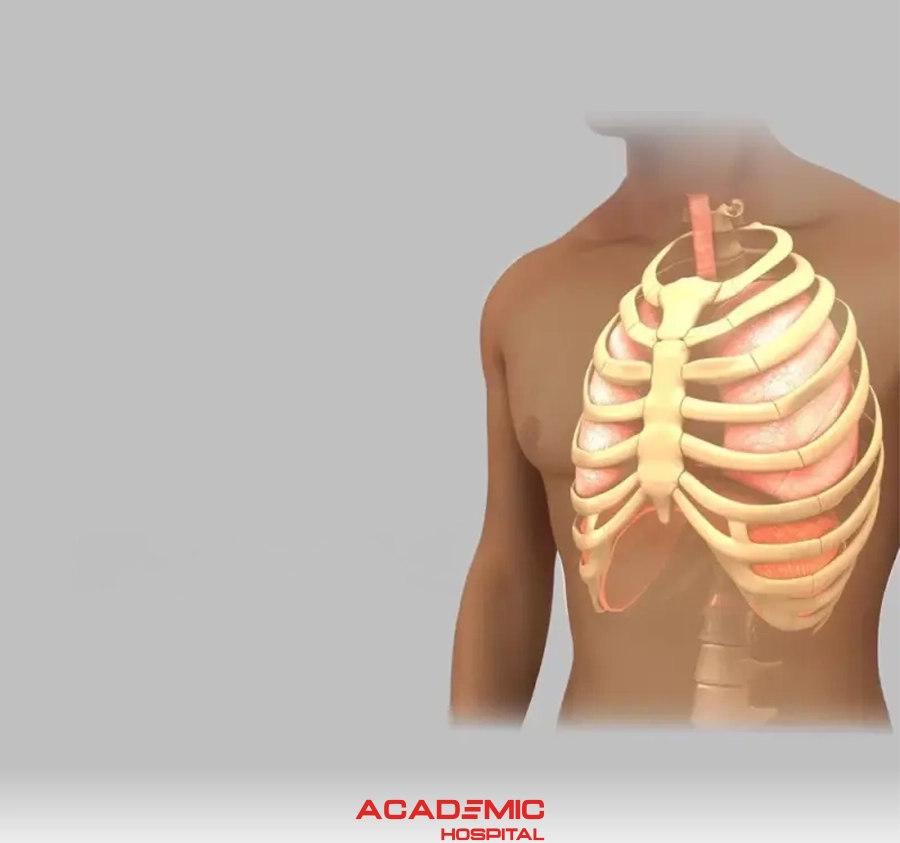
What Are Chest Wall Deformities? Causes, Symptoms and Treatment Methods
Contents
Chest wall deformities are structural problems that occur when the chest wall changes shape inward or outward, and they may cause both aesthetic and functional issues. Although they often become noticeable in childhood, they may also be seen in adults. Early diagnosis and appropriate treatment are important for preserving respiratory function and improving quality of life.
What Are Chest Wall Deformities?
There are two main types of deformities most commonly seen in the chest wall.
Pectus excavatum: This is characterized by the inward depression of the chest wall. It is more noticeable in childhood and may deepen with growth. It may create pressure on the heart and lungs. Shortness of breath, easy fatigue and reduced exercise capacity may be seen.
Pectus carinatum: This is an outward protrusion of the chest wall. It usually becomes more noticeable during adolescence. It often causes aesthetic and psychosocial problems.
Other chest wall deformities:
- Asymmetric chest deformities
- Post-traumatic shape abnormalities
- Chest structure anomalies associated with genetic syndromes
You can contact us for evaluation if there is visible chest wall deformity, shortness of breath, chest pain or easy fatigue.
Book an AppointmentWhat Causes Chest Wall Deformities?
Although the exact cause of chest wall deformities is not fully known, the following factors may play a role:
- Abnormal chest cartilage development
- Genetic predisposition
- Connective tissue diseases
- Rapid growth periods
- Trauma
A similar deformity in the family may increase the risk.
What Are the Symptoms of Chest Wall Deformities?
The severity of complaints may differ from patient to patient. The most common symptoms are:
- Visible shape abnormality in the chest area
- Shortness of breath and reduced exercise capacity
- Palpitations and posture problems
- Frequent upper respiratory tract infections
- Difficulty with self-confidence and social communication
In children, easy fatigue during sports activities and chest pain are notable warning signs.
How Are Chest Wall Deformities Diagnosed?
Physical examination is important in diagnosing chest wall deformities, and the following tests may be used:
- Chest X-ray
- Pulmonary function tests
- ECG and echocardiography (cardiac evaluation)
- Computed tomography (CT)
These methods help measure the severity of the deformity and clarify the treatment plan.
When Should You See a Doctor for Chest Wall Deformities?
- If the shape abnormality becomes more visible
- If there is shortness of breath or chest pain
- If the child tends to stand hunched due to body mechanics
- If it causes psychological distress
Early consultation may help achieve better outcomes, especially in children and adolescents.
What Are the Treatment Methods for Chest Wall Deformities?
The treatment plan is determined according to the type and severity of the deformity and the patient’s age.
Non-Surgical Treatments
- Compression brace for pectus carinatum: It may be effective especially in adolescent patients. With regular use, the chest wall may gradually improve.
- Vacuum therapy for pectus excavatum: It may be used in early and suitable cases.
- Breathing and posture exercises: They have a supportive role in mild deformities.
Surgical Treatment
Surgical methods are preferred in more advanced deformities.
- Nuss procedure: Minimally invasive placement of a steel bar when the chest wall is sunken inward.
- Ravitch procedure: Based on correction of chest wall cartilage.
- Hybrid techniques: Combined methods may be used according to the patient’s structure.
After surgical treatment, patients generally return to daily life within a short period.
Personalized Evaluation for Chest Wall Deformities
In pectus excavatum, pectus carinatum or asymmetric chest structures, evaluation is based on deformity type, severity, age and respiratory-cardiac findings.
Frequently Asked Questions
References
- Cleveland Clinic. Pectus Excavatum: Symptoms, Causes & Treatment
- Cleveland Clinic. Pectus Carinatum: Causes & Treatments
- Mayo Clinic. Pectus Excavatum - Symptoms and Causes
- Mayo Clinic. Pectus Excavatum - Diagnosis and Treatment