
 WhatsApp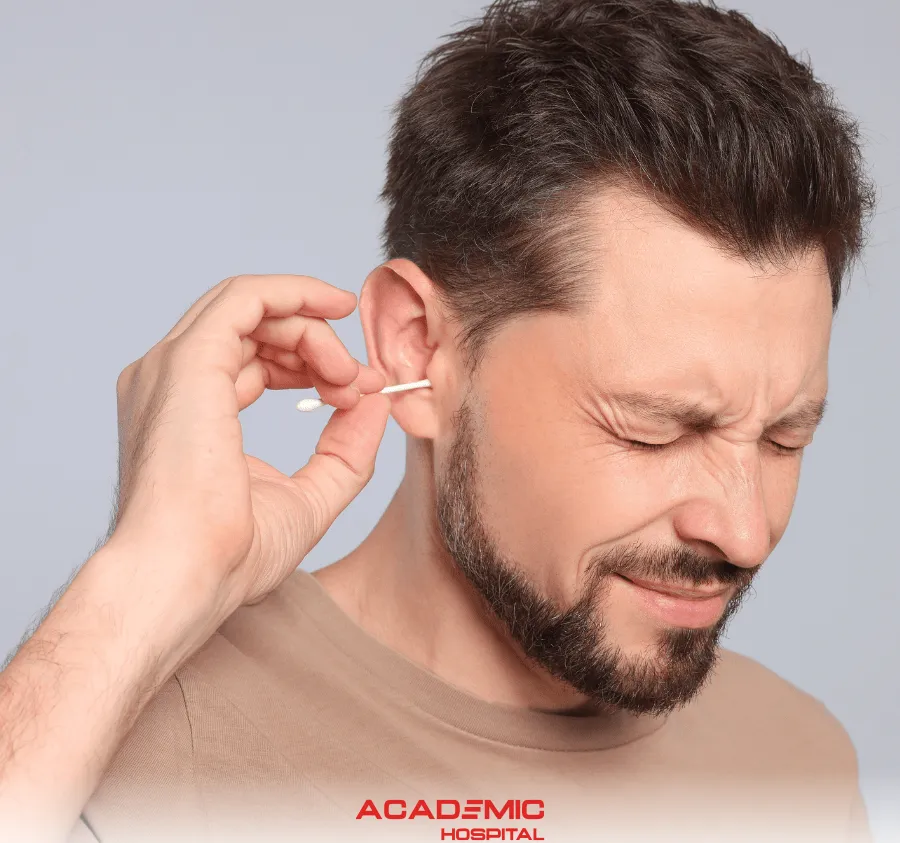
How Should You Clean Your Ears? Are Cotton Buds Harmful?
Contents
- What Is Earwax?
- How Should You Clean Your Ears?
- Are Cotton Buds Harmful?
- How Often Should You Clean Your Ears?
- What Is Impacted Earwax?
- What Are the Symptoms of Earwax Build-up?
- Can Ear Drops Be Used?
- How Is Earwax Removed Professionally?
- Who Should Avoid Home Ear Cleaning?
- Do Ear Candles Work?
- When Should You See a Doctor?
- Frequently Asked Questions
The ear canal is largely self-cleaning. Routine ear care should focus on cleaning only the outer ear rather than inserting objects into the ear canal.
What Is Earwax?
Earwax, or cerumen, is a natural substance produced in the external ear canal.
It helps protect the skin of the ear canal, contributes to moisture balance and helps trap and move particles towards the outside of the ear.
How Should You Clean Your Ears?
The skin of the ear canal naturally migrates outwards, helping move earwax towards the canal opening.
For routine hygiene:
- Gently wipe the outer ear with a clean, soft cloth.
- Dry the outer ear gently after bathing.
- Do not insert cotton buds, fingers, tissues, hairpins or other objects into the ear canal.
- Seek assessment if there is pain, discharge, hearing loss or persistent blockage.
Are Cotton Buds Harmful?
Cotton buds should not be inserted into the ear canal.
They can push earwax deeper into the canal and contribute to impacted earwax. They can also scratch the delicate ear-canal skin, cause bleeding or infection and, if inserted too deeply, injure or perforate the eardrum.
How Often Should You Clean Your Ears?
There is no recommended weekly or monthly schedule for cleaning a healthy ear canal.
The ear canal generally does not require routine cleaning.
The outer ear can be cleaned as needed during normal personal hygiene. Earwax that is not causing symptoms or preventing examination of the ear can usually be left alone.
What Is Impacted Earwax?
Earwax becomes impacted when it accumulates and blocks part or all of the ear canal, particularly when it causes symptoms or prevents an adequate ear examination.
Risk may be increased by narrow ear canals, frequent cotton-bud use, hearing aids, in-ear devices, certain skin disorders and increasing age.
What Are the Symptoms of Earwax Build-up?
Impacted earwax can cause:
- A blocked or full feeling in the ear
- Reduced hearing
- Tinnitus
- Itching or discomfort
- Occasionally ear pain
These symptoms can also occur with other ear conditions. Sudden hearing loss should not automatically be assumed to be caused by earwax.
Can Ear Drops Be Used?
Earwax-softening drops can be useful for selected cases of cerumen impaction.
However, do not put drops or fluids into the ear without appropriate advice if you have a perforated eardrum, ventilation tube, previous ear surgery, ear discharge, severe pain or suspected infection.
How Is Earwax Removed Professionally?
The appropriate method depends on the condition of the ear canal and eardrum.
Options can include:
- Cerumen-softening agents
- Controlled irrigation in suitable patients
- Manual removal under direct visualisation
- Suction in selected cases
Not every method is suitable for every patient.
Who Should Avoid Home Ear Cleaning?
Professional assessment is particularly appropriate for people with a perforated eardrum, ventilation tubes, previous ear surgery, ear discharge, significant pain, sudden hearing loss, suspected foreign body or certain conditions affecting immunity.
Do Ear Candles Work?
Ear candling is not recommended for earwax removal.
There is no reliable evidence that it safely removes earwax, and it can cause burns, wax obstruction of the ear canal or injury to the eardrum.
When Should You See a Doctor?
Seek medical assessment for:
- New or significant hearing loss
- Severe or persistent ear pain
- Blood or discharge from the ear
- Significant dizziness
- Trauma after inserting an object into the ear
- A foreign object in the ear
- Symptoms that persist after earwax removal
Sudden hearing loss deserves particular attention. Sudden blockage and reduced hearing should not automatically be attributed to earwax.
Do Not Forcefully Clean a Blocked Ear at Home
Assessment of the ear canal and eardrum can identify whether earwax is responsible for hearing loss, fullness or discomfort and determine the safest method of removal.