
 WhatsApp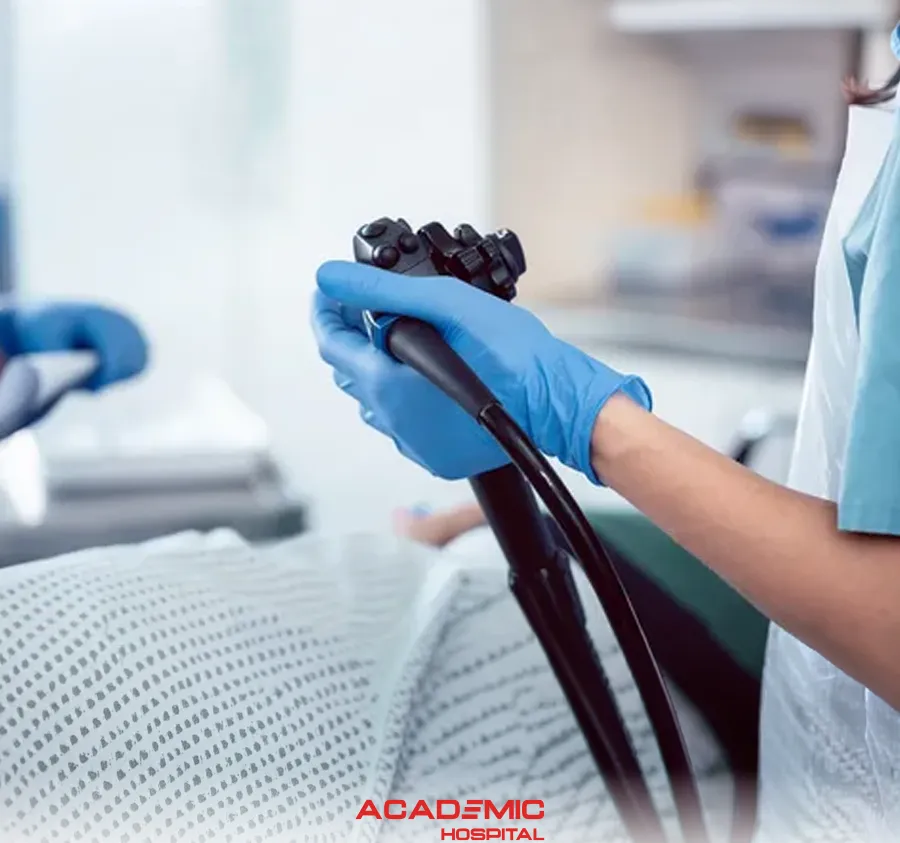
What Is a Colonoscopy? Preparation, Procedure and Recovery
Contents
- What Is a Colonoscopy?
- Why Is Colonoscopy Performed?
- Who May Need a Colonoscopy?
- At What Age Should Colorectal Cancer Screening Begin?
- What If There Is a Family History?
- How Do You Prepare for Colonoscopy?
- What Can You Eat Before Colonoscopy?
- What Is Split-Dose Bowel Preparation?
- Should Medicines Be Stopped?
- How Is Colonoscopy Performed?
- Is Sedation Used?
- How Are Biopsies and Polyps Removed?
- How Long Does Colonoscopy Take?
- What Happens After Colonoscopy?
- What Are the Risks?
- Which Symptoms Require Urgent Care?
- Frequently Asked Questions
What Is a Colonoscopy?
A colonoscopy is an endoscopic procedure used to examine the inner lining of the rectum and large intestine with a thin, flexible instrument containing a camera.
Colonoscopy is more than a diagnostic examination. Tissue biopsies can be taken and suitable polyps can often be removed during the same procedure.
Why Is Colonoscopy Performed?
Colonoscopy can be used for colorectal cancer screening and for investigation of gastrointestinal symptoms or abnormal test results.
- Colorectal cancer screening
- A positive FIT or faecal occult blood test
- Rectal bleeding
- Unexplained iron-deficiency anaemia
- Unexplained change in bowel habits
- Persistent or recurrent diarrhoea
- Selected cases of chronic abdominal pain
- Unexplained weight loss
- Diagnosis and surveillance of inflammatory bowel disease
- Follow-up of previous colon polyps
- Surveillance following treatment of colorectal cancer
Who May Need a Colonoscopy?
Colonoscopy may be performed in people without symptoms as part of colorectal cancer screening or in patients with symptoms that require investigation.
The decision depends on age, symptoms, family history, previous polyps or colorectal cancer, inflammatory bowel disease and other risk factors.
At What Age Should Colorectal Cancer Screening Begin?
Current international recommendations support beginning routine colorectal cancer screening at age 45 for adults at average risk.
Regular screening is generally continued through age 75. Between ages 76 and 85, the decision is individualised according to overall health, life expectancy, previous screening history and personal preference.
Routine screening is generally not recommended after age 85.
For an average-risk adult with a high-quality normal screening colonoscopy, colonoscopy is generally repeated approximately every 10 years. The interval changes when polyps or other risk factors are present.
What If There Is a Family History of Colorectal Cancer?
People with a first-degree relative who has had colorectal cancer or an advanced colorectal polyp may require a different screening programme from average-risk adults.
Starting age and surveillance interval depend on the relative's age at diagnosis, the number of affected relatives, previous colonoscopy findings and whether a hereditary syndrome such as Lynch syndrome or familial adenomatous polyposis is suspected.
How Do You Prepare for a Colonoscopy?
Good bowel cleansing is essential for a high-quality colonoscopy. Inadequate preparation can obscure polyps and other abnormalities and may require the procedure to be repeated.
Preparation generally includes temporary dietary modification, a bowel-cleansing solution, adequate permitted fluids and fasting according to the instructions of the endoscopy and anaesthesia teams.
The bowel-preparation regimen should consider the patient's medical history, medications and the quality of previous colonoscopy preparation.
What Can You Eat Before Colonoscopy?
Several days of an all-liquid diet are not routinely required for every patient.
Depending on the preparation protocol, a low-residue or low-fibre diet may be used before switching to clear liquids closer to the procedure.
Examples of clear liquids can include water, clear apple juice, clear broth and tea or coffee without milk.
The exact time when food and liquids must stop depends on the procedure time and sedation or anaesthesia instructions.
What Is Split-Dose Bowel Preparation?
Current guidelines strongly recommend split-dose bowel preparation for most patients.
Part of the bowel-cleansing solution is taken the day before the procedure and the remaining portion closer to the time of colonoscopy.
The second portion is generally started 4–6 hours before colonoscopy and completed at least 2 hours before the procedure.
Patients should follow the exact instructions supplied with their prescribed bowel-preparation regimen.
Should Medicines Be Stopped Before Colonoscopy?
All regular medicines should be discussed with the healthcare team.
Anticoagulants, antiplatelet medicines, diabetes medicines, insulin and iron preparations can require specific planning.
How Is Colonoscopy Performed?
The examination commonly begins with the patient lying on the left side.
The flexible colonoscope is passed through the anus and advanced through the rectum and colon. During a complete colonoscopy, the instrument is advanced to the beginning of the colon, generally the caecum.
Carbon dioxide or air is introduced to open the colon sufficiently for careful inspection.
Biopsies can be taken and suitable polyps can be removed during the procedure.
Is Sedation Used for Colonoscopy?
Colonoscopy can be performed without sedation, with mild or moderate sedation, or with deeper sedation or anaesthesia.
The approach depends on the patient's health, the expected procedure, local practice and patient preference.
How Are Biopsies and Polyps Removed?
Small tissue samples can be obtained through the working channel of the colonoscope.
Having a biopsy does not mean that cancer is present. Biopsies can also be used to investigate inflammation, inflammatory bowel disease, microscopic colitis and other conditions.
Polyps can be removed using specialised endoscopic techniques depending on their size and appearance.
How Long Does Colonoscopy Take?
A standard colonoscopy commonly takes approximately 30–45 minutes.
The procedure can take longer when multiple polyps, a large lesion or other therapeutic interventions require treatment.
What Happens After Colonoscopy?
Patients are observed until the effects of sedation have adequately worn off.
Temporary bloating, gas or mild abdominal cramping can occur because gas is introduced into the colon during the procedure.
Unless specific restrictions are given, most patients can gradually resume eating and drinking.
What Are the Risks of Colonoscopy?
Colonoscopy is generally safe, but complications can occur.
- Bleeding after biopsy or polypectomy
- Perforation of the colon
- Respiratory or cardiovascular problems related to sedation or anaesthesia
- Rare complications related to advanced therapeutic procedures
Risk may be higher after removal of large polyps or other advanced therapeutic interventions than after a purely diagnostic colonoscopy.
Which Symptoms Require Urgent Medical Assessment?
Seek prompt medical assessment for:
- Severe or worsening abdominal pain
- Marked abdominal swelling with persistent pain
- Fever or chills
- Heavy or persistent rectal bleeding
- Dizziness or fainting
- Persistent vomiting
- Difficulty breathing or significant deterioration in general condition
Do Not Delay Colorectal Cancer Screening
For adults at average risk, colorectal cancer screening should be considered from age 45. A different programme may be appropriate for people with a family history, previous polyps or inflammatory bowel disease.
Frequently Asked Questions
References
- Academic Hospital. Colonoscopy: Examination of the Large Intestine
- American Cancer Society. Colorectal Cancer Screening Guideline
- U.S. Preventive Services Task Force. Colorectal Cancer: Screening
- American Society for Gastrointestinal Endoscopy. Optimizing Bowel Preparation Quality for Colonoscopy
- American Society for Gastrointestinal Endoscopy. Understanding Colonoscopy