
 WhatsApp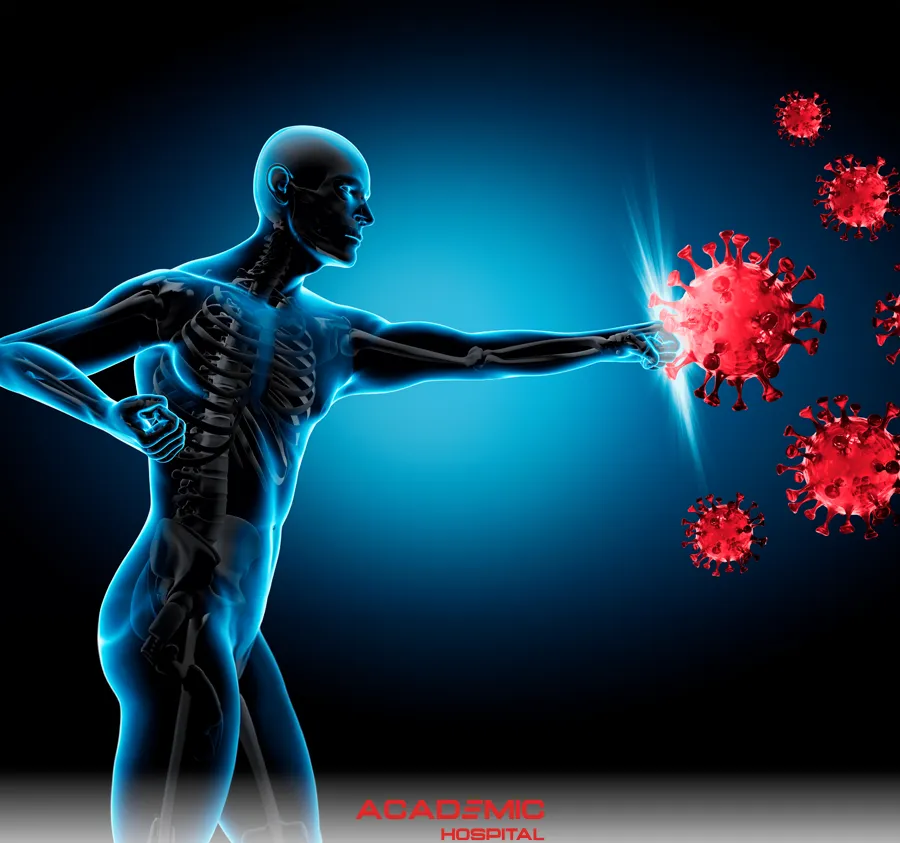
What Is the Immune System? How to Support Healthy Immune Function
Contents
- What Is the Immune System?
- How Does the Immune System Work?
- Innate and Adaptive Immunity
- Can You “Boost” Your Immune System?
- Nutrition and Immunity
- Do You Need Supplements?
- Vitamin D and Immunity
- Probiotics and Immunity
- Sleep and Immunity
- Exercise and Immunity
- Smoking and Alcohol
- Stress and Immunity
- The Role of Vaccines
- When Is Medical Assessment Needed?
- Frequently Asked Questions
What Is the Immune System?
The immune system is a complex network of cells, tissues, organs and biological mechanisms that helps protect the body against disease-causing organisms such as viruses, bacteria, fungi and parasites.
Its functions extend beyond fighting infections. The immune system also contributes to recognising and controlling damaged or abnormal cells.
Physical barriers such as the skin and mucous membranes work together with white blood cells, antibodies and immune memory to protect the body.
How Does the Immune System Work?
The immune system works to distinguish the body's own healthy tissues from potentially harmful foreign substances.
When a pathogen enters the body, different components of the immune system recognise it and generate a defensive response.
- Skin and mucous membranes limit the entry of microorganisms.
- The innate immune system provides a rapid initial response.
- B and T lymphocytes participate in more specific immune responses.
- B cells contribute to antibody production.
- Certain T cells help control infected or abnormal cells.
- Memory cells can allow a faster response when the body encounters certain pathogens again.
What Are Innate and Adaptive Immunity?
Innate immunity is the body's first line of defence. Skin, mucous membranes and various immune cells are involved. It responds rapidly and relatively broadly to many potential threats.
Adaptive immunity produces more specific responses to particular antigens. B and T lymphocytes are key components. Following infection or vaccination, some immune cells can develop memory that allows a faster response to the same pathogen in the future.
Can You “Boost” Your Immune System?
The immune system is not a single organ or a single measurable value. It is a complex network that depends on many components working in balance.
For this reason, it is generally more accurate to discuss supporting normal immune function rather than trying to broadly “boost” immunity with a particular food, drink, vitamin or supplement.
How Does Nutrition Affect Immunity?
Normal immune function requires adequate energy, protein, vitamins and minerals.
A balanced dietary pattern can include vegetables and fruit, whole grains, legumes, appropriate protein sources such as fish, eggs and meat, dairy products or appropriate alternatives, nuts and healthy sources of fat.
Nutrition should not be reduced to one particular meal or food. Overall dietary quality and nutrient adequacy are more important.
Limiting excessive consumption of highly processed foods, added sugars, salt and saturated fat is beneficial for general health.
Do Vitamin and Mineral Supplements Boost Immunity?
Vitamin C, vitamin D, vitamin A, vitamins B6 and B12, folate, iron, selenium and zinc are among the nutrients needed for normal immune function.
This does not mean that everyone should routinely take supplements.
Correcting a nutrient deficiency can help restore normal immune function. However, in people who already have adequate nutrient status, taking larger amounts of vitamins or minerals has not been shown to make the immune system progressively stronger.
What Is the Relationship Between Vitamin D and Immunity?
Vitamin D contributes to normal immune function as well as bone health.
The body can produce vitamin D when the skin is exposed to sunlight, and vitamin D can also be obtained from certain foods.
However, vitamin D production varies according to season, geographic location, skin characteristics, age, patterns of sun exposure and other factors. A single recommended duration of sun exposure therefore cannot be applied to everyone.
When vitamin D deficiency is suspected, assessment and supplementation should be individualised.
Do Probiotics Support Immunity?
The gut microbiome interacts closely with the immune system. Probiotics are live microorganisms that can provide a health benefit when consumed in adequate amounts.
However, probiotics are not a single uniform treatment. Their effects vary according to the specific species and strain.
Some research suggests that particular probiotics may provide modest benefits in certain respiratory or gastrointestinal infections, but these findings cannot be generalised to every probiotic product.
Fermented foods such as yoghurt and kefir can be part of a balanced diet, but routine probiotic supplementation is not necessary for everyone.
Does Sleep Affect the Immune System?
Adequate, good-quality sleep is important for the normal function of many physiological systems, including the immune system.
Long-term sleep deprivation can negatively affect different components of immune function.
A regular sleep schedule, reducing intense light and screen exposure before bedtime and creating a quiet and comfortable sleep environment may support sleep quality.
Does Exercise Support Immune Health?
Regular physical activity provides substantial benefits for cardiovascular health, metabolic health, sleep, mental health and healthy weight maintenance and may also support healthy immune function.
General recommendations for adults include at least 150 minutes of moderate-intensity aerobic activity per week and muscle-strengthening activity on at least 2 days per week.
Exercise should be adapted to age, medical conditions and physical capacity.
How Do Smoking and Alcohol Affect Immunity?
Smoking adversely affects multiple organs and systems, including immune function. Avoiding tobacco is an important part of preventive health.
Excessive alcohol consumption can also impair immune function and overall health.
Alcohol should not be started for the purpose of improving health or immunity.
Does Stress Affect Immunity?
Persistent high levels of stress can affect general health through sleep, eating patterns, physical activity and various physiological pathways.
Regular physical activity, adequate sleep, social support, breathing exercises and other appropriate relaxation techniques can help with stress management.
Persistent anxiety, stress or depressive symptoms that substantially affect daily life should be professionally assessed.
What Is the Role of Vaccines in Immunity?
Vaccines train the immune system to recognise specific disease-causing organisms.
Following vaccination, the immune system can develop a targeted response and immune memory, allowing a faster response if the same pathogen is encountered in the future.
Vaccination needs depend on age, medical conditions, pregnancy, occupation, travel and previous vaccination history.
Keeping recommended vaccinations up to date according to individual risk is an important part of preventive healthcare.
When Should Immune Health Be Medically Assessed?
Occasional infections in an otherwise healthy person do not automatically indicate an immune disorder.
Medical assessment may be appropriate for recurrent or unusually severe infections, infections that persist despite appropriate treatment, unexplained weight loss, prolonged fever, significant systemic symptoms or the use of medications that suppress the immune system.
Healthy Immune Function Depends on Balance
Rather than relying on a single supplement or food, focus on a balanced diet, regular physical activity, adequate sleep, avoiding tobacco and appropriate preventive healthcare.
Frequently Asked Questions
References
- Academic Hospital. Supporting the Immune System
- Centers for Disease Control and Prevention. Healthy Habits: Enhancing Immunity
- NIH Office of Dietary Supplements. Dietary Supplements for Immune Function and Infectious Diseases
- NIH Office of Dietary Supplements. Dietary Supplements for Immune Function – Consumer Fact Sheet
- World Health Organization. Vaccines and Immunization: What Is Vaccination?
- World Health Organization. How Do Vaccines Work?