

 WhatsApp
Surgical and Non-Surgical Treatment of Anorectal Diseases
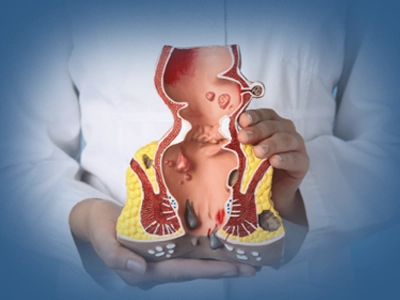
The Hemorrhoid and Anorectal Diseases Unit takes on the diagnosis and treatment of all diseases of the anorectal region, which covers the anus and the final part of the rectum. The unit offers a broad range of treatment under one roof, from interventional procedures performed in the office setting to advanced surgical methods, and provides a specialist focused environment in which patients can seek care without embarrassment or discomfort.
Contents
What Are Hemorrhoids and Anorectal Diseases?
Diseases of the anorectal region are extremely common in the population, yet they are an area where people consult a doctor late because of social reticence. This unit carries out the systematic assessment and individualised treatment of conditions such as internal and external hemorrhoids, anal fissure, anal fistula, anorectal abscess, fecal incontinence and rectal prolapse. The general surgery specialists and the team experienced in colorectal surgery determine the least invasive and most effective treatment route for each patient.
Which Diseases and Conditions Are Treated?
- Internal hemorrhoids (grades 1 to 4)
- External hemorrhoids and thrombosed (clotted) hemorrhoids
- Mixed hemorrhoids (internal and external together)
- Anal fissure (a tear on the inner surface of the anus)
- Anal fistula (an abnormal tract arising from an anorectal abscess)
- Anorectal abscess (a collection of pus in the anorectal region)
- Fecal incontinence (inability to control bowel movements)
- Rectal prolapse (protrusion of the rectal mucosa)
- Condyloma acuminatum (warts in the anal region)
When Should You Consult Us?
- Bright red blood on the toilet paper, in the toilet bowl or in the stool
- Itching, burning or a moist sensation in the anal region
- Pain during or after a bowel movement
- Swelling or firmness felt around the anus
- Involuntary loss of stool or inability to hold it
- Discharge around the anus, or swelling together with fever or severe pain (suspected abscess)
Urgent consultation: Dark or bloody stool, unexplained weight loss or a marked change in bowel habit over recent weeks may signal a problem beyond the anorectal region; in this case urgent specialist assessment is required.
Diagnostic Methods
| Method | Scope and use |
|---|---|
| The anorectal region is assessed clinically with inspection and digital rectal examination. Conditions such as external hemorrhoids, fissure and abscess can be detected directly. | |
| The anal canal and the distal rectum are viewed directly with a short, rigid scope; the grade of internal hemorrhoids and the condition of the mucosa are assessed. | |
| Performed to rule out an upper digestive origin of rectal bleeding and the presence of colorectal polyps or tumours, particularly in patients aged 45 and over. | |
| The anatomical course of an anal fistula, its relationship with the sphincter muscle groups and the presence of an abscess are mapped in detail with radiation free MR imaging; it is of guiding importance in surgical planning. |
Treatment Approaches
Non-Surgical (Office) Procedures
| Procedure | Scope and application |
|---|---|
| A small rubber band is placed on the internal hemorrhoid to cut off its blood supply; the tissue dries and falls away within a few days. It is the first choice method in grade 1 to 3 hemorrhoids. | |
| Sclerosing agents are injected into the hemorrhoidal tissue to obliterate the vessels; it is used particularly in small internal hemorrhoids with heavy bleeding. | |
| Aims to shrink the hemorrhoidal tissue with infrared heat energy; it is a minimally invasive method. |
Surgical Treatments
| Operation | Scope and application |
|---|---|
| Surgical removal of the hemorrhoidal tissue in grade 3 and 4 disease or in hemorrhoids that do not respond to interventional treatment. It is performed with open or closed techniques (Milligan-Morgan, Ferguson). | |
| Used in the treatment of chronic anal fissure to reduce the excessive pressure in the anal sphincter muscle. | |
| In the treatment of simple anal fistulas that do not threaten the sphincter, the fistula tract is laid open and drainage is provided. | |
| A sphincter preserving technique in which the fistula tract is ligated in the intersphincteric space while the sphincter muscle is protected; it is used in complex anal fistulas. | |
| Urgent surgical drainage is performed when an abscess forms; the development of a fistula is monitored after drainage. |
The specialists of the General Surgery Department perform all of these procedures in a single centre, according to the individual indication.
Diagnosis, office procedures and surgical treatment of hemorrhoids and anorectal diseases are offered in a single centre at the Academic Hospital General Surgery clinic. Tel: 444 0 353
Book an AppointmentHemorrhoid and Anorectal Disease Treatment at Academic Hospital
The Academic Hospital Hemorrhoid and Anorectal Diseases Unit carries out outpatient assessment, proctoscopic examination, office procedures and surgical treatment under one roof. The unit works routinely with the following departments:
- General Surgery: performance of office procedures and anorectal operations
- Gastroenterology and Coloproctology Surgery: surgical planning of complex fistula and rectal prolapse cases
- Gastroenterology: differential diagnosis of rectal bleeding and assessment of inflammatory bowel disease
- Endoscopy: performance of colonoscopy and rectoscopy
- Radiology: mapping of the fistula tract with MRI fistulography
- Gynecology and Obstetrics: joint decision making in the management of hemorrhoids during pregnancy
- Nutrition and Diet: planning of a fibre based nutrition programme
Frequently Asked Questions
References
The general information given on this page about the diagnosis of hemorrhoids and anorectal diseases, office procedures and surgical treatment options is supported by the reliable health sources listed below.
- American Society of Colon and Rectal Surgeons, "Hemorrhoids: Expanded Information", fascrs.org
- National Institute of Diabetes and Digestive and Kidney Diseases, "Hemorrhoids", niddk.nih.gov
- Mayo Clinic, "Hemorrhoids: Diagnosis and Treatment", mayoclinic.org
The information on this page is for informational purposes only; it does not replace medical examination, diagnosis or treatment. Please consult a healthcare institution regarding your complaints.