
 WhatsApp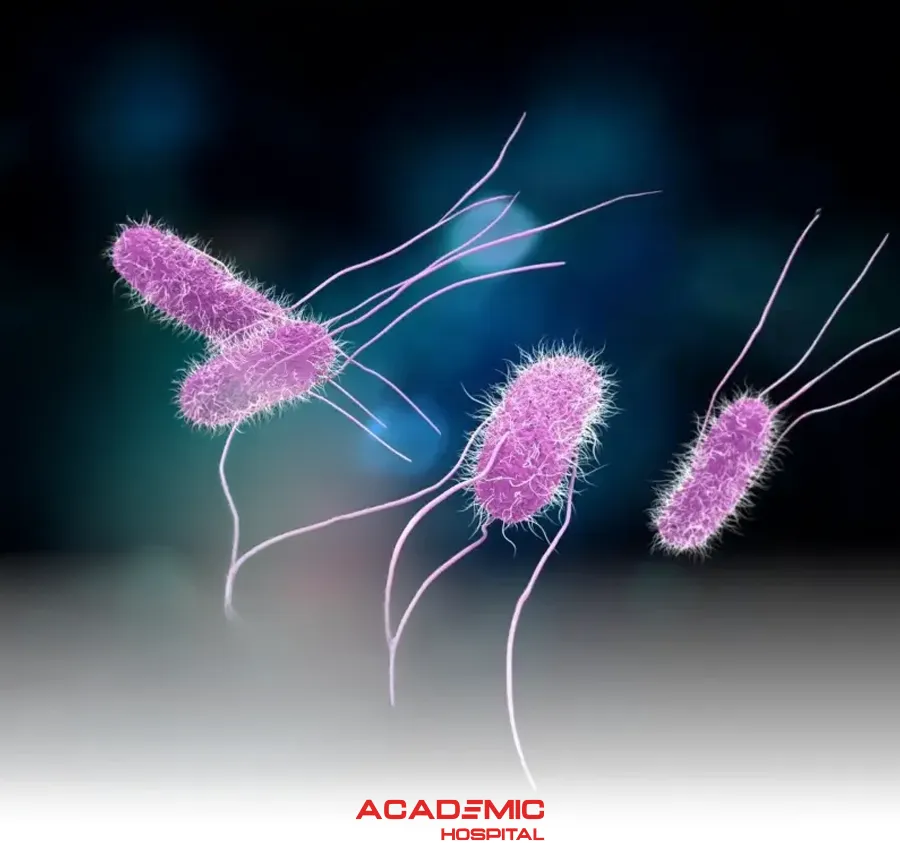
What Is Salmonella? Symptoms, Transmission, and Treatment
Contents
Salmonella is a bacterium that causes foodborne infections in humans and animals. It is one of the most common causes of food poisoning worldwide. Salmonella bacteria can multiply rapidly in unhygienic environments. It can be largely prevented by following food safety rules. It usually causes infection in the digestive system.
Medical evaluation is important in cases of prolonged diarrhea, high fever, bloody stool, or signs of dehydration.
Book an AppointmentWhat Is Salmonella?
Salmonella is a type of bacteria that can cause infections in humans and animals. It most commonly affects the digestive system and leads to foodborne illness. Transmission may occur after consuming contaminated foods, using contaminated water, or having contact with animals.
Salmonella infection often presents with diarrhea, fever, and abdominal cramps. While some cases are mild, the disease can be more severe in people in risk groups.
How Is Salmonella Transmitted?
It is usually transmitted through fecal-oral contamination. Common transmission routes include consuming raw or undercooked foods, using contaminated water or ice, eating foods prepared under unhygienic conditions, contact with animals carrying the bacteria (especially poultry, reptiles, and pets), and direct contact with infected people when hands are not washed adequately.
Which Foods Commonly Contain Salmonella?
One of the common causes of infection is consuming foods contaminated with the bacteria.
- Fresh fruits and vegetables (when not washed adequately)
- Raw or undercooked meat and poultry (chicken, turkey, duck, goose)
- Raw eggs and egg-based products prepared under unsuitable conditions (mayonnaise, cream, desserts)
- Unpasteurized milk and dairy products
- Contaminated water and ice
- Raw or undercooked seafood
Especially during summer, warm weather increases the risk of bacterial growth. Therefore, storing and preparing foods under appropriate conditions is very important.
What Are the Symptoms of Salmonella Infection?
Salmonella infection usually occurs in relation to food exposure, and symptoms may appear 6 to 72 hours after consuming contaminated food.
- Diarrhea (may be watery or bloody)
- Nausea and vomiting
- Fever and chills
- Abdominal cramps and pain
- Headache
- Muscle aches and fatigue
In most cases, symptoms resolve within a few days in people with strong immune systems. However, in individuals with weakened immune systems (infants, older adults, pregnant people, and people with chronic illnesses), the infection may lead to serious complications.
How Is Salmonella Treated?
The common form that appears as uncomplicated diarrhea is often mild and improves on its own within a few days. However, in more severe cases, water, electrolyte-containing fluids, and soups are recommended to prevent dehydration. Adequate fluid intake and rest are important. Fever-reducing medicines may be used with a physician’s recommendation to relieve high fever and muscle aches.
Salmonella infections with uncomplicated diarrhea usually do not require antibiotics. Unnecessary antibiotic use may prolong bacterial carriage in stool and increase the risk of side effects. However, in rare systemic infections such as typhoid/paratyphoid fever, in immunocompromised patients, or in severe disease, antibiotic treatment may be used under medical supervision.
In severe cases, hospitalization and intravenous fluid support may be required.
Prevention of Salmonella Infection
Salmonella infection is a disease that can be largely prevented by paying attention to hygiene rules. Proper storage and cooking of foods and careful hand hygiene reduce the risk of infection. In a suspected case, applying to a healthcare institution is important to prevent disease progression.
Medical Evaluation Is Important When Salmonella Is Suspected
You can book an appointment for evaluation if diarrhea, fever, bloody stool, or signs of dehydration persist.
Frequently Asked Questions
References
- Centers for Disease Control and Prevention (CDC). Salmonella Infection: Symptoms and Treatment. cdc.gov
- Centers for Disease Control and Prevention (CDC). Treatment of Salmonella Infection. cdc.gov
- U.S. Food and Drug Administration (FDA). Salmonella (Salmonellosis). fda.gov
- Mayo Clinic. Salmonella infection: Symptoms, causes, diagnosis and treatment. mayoclinic.org