
 WhatsApp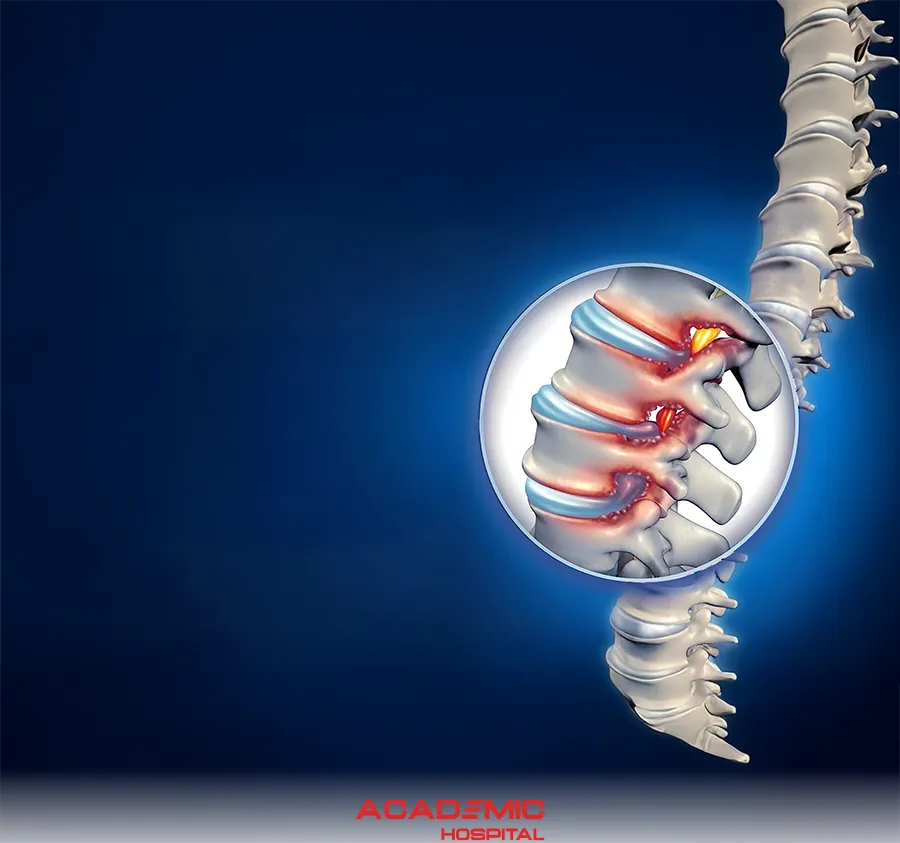
What Is Lumbar Spinal Stenosis? Symptoms, Causes and Treatment Methods
Contents
What Is Lumbar Spinal Stenosis?
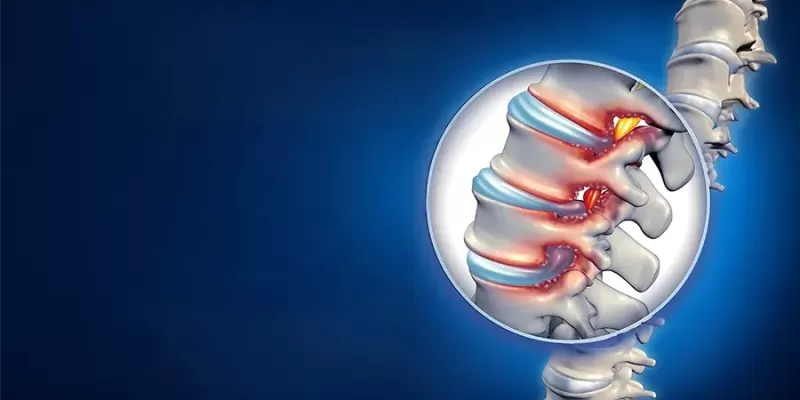
Lumbar spinal stenosis is narrowing of the spinal canal in the lower back. This narrowing may compress the spinal nerves and cause symptoms in the back, hips and legs.
The condition may not cause the same symptoms in every patient. In some people symptoms are mild, while others may experience leg pain, numbness, tingling and a shortened walking distance, especially while walking or standing for a long time.
What Are the Symptoms of Lumbar Spinal Stenosis?
Symptoms may progress slowly and become more severe over time. The condition may lead to walking difficulty, pain and sensory changes.
- Shortened walking distance and reduced standing tolerance
- Bending forward while walking or relief when leaning forward
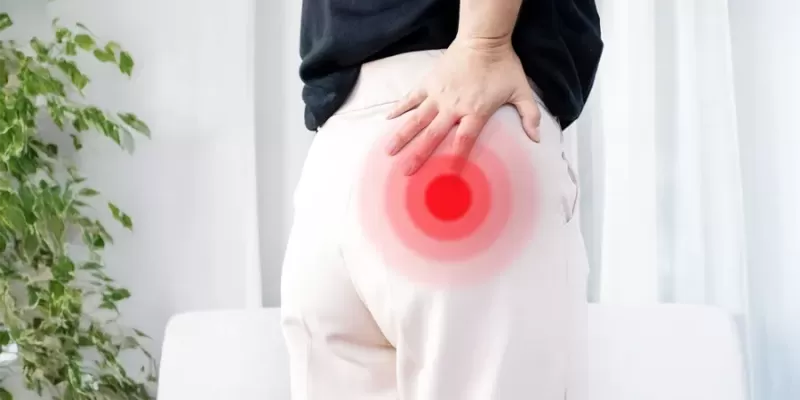
- Pain spreading from the lower back to the hips and legs
- Pain that increases with prolonged standing or walking
- Pain that improves with sitting or bending forward
- Numbness, tingling or weakness in the legs
- Balance problems and difficulty walking
- In advanced cases, impaired bladder or bowel control
You can contact us for evaluation if you have a shortened walking distance, leg numbness or pain spreading from the lower back to the leg.
Book an AppointmentWhat Causes Lumbar Spinal Stenosis?
Lumbar spinal stenosis is usually related to age-related degenerative changes of the spine. Over time, discs may lose water and height, ligaments may thicken and bone spurs/arthritis may narrow the spinal canal.
Lumbar disc herniation, spondylolisthesis, spinal osteoarthritis, congenital spinal canal narrowing and spinal trauma are also important causes.
This condition is more common in people aged 50 and older, but earlier spinal injuries, congenital canal narrowing or genetic predisposition may also contribute to its development.
How Is Lumbar Spinal Stenosis Diagnosed?
Diagnosis begins with careful assessment of symptoms and detailed physical/neurological examination. Leg pain, numbness, fatigue, relief with bending forward and a reduced walking distance during longer walks provide important diagnostic clues.
Advanced imaging is used for definitive diagnosis and treatment planning. Magnetic Resonance Imaging (MRI) is one of the most commonly used methods to show the level of nerve compression and canal narrowing. In selected patients, CT may be used to evaluate bony structures, X-rays to evaluate spinal alignment, or EMG to assess nerve function.
How Is Lumbar Spinal Stenosis Treated?
Treatment is determined according to the severity of the disease, impact of symptoms on daily life, degree of nerve compression and the patient’s overall health status.
In mild and moderate cases, medication, physical therapy, exercise programs and lifestyle adjustments may be sufficient. Pain medications, muscle relaxants or nerve pain medications may help reduce symptoms when considered appropriate by the physician. Physical therapy may support movement control by strengthening the back and core muscles.
In some advanced or painful cases, epidural steroid injections may provide temporary relief. However, surgery may be necessary in patients who do not respond to medication and physical therapy, who have walking difficulty or who show serious neurologic signs related to nerve compression.
The purpose of surgery is to widen the narrowed spinal canal and reduce pressure on the nerves. Early diagnosis and appropriate treatment may help improve quality of life in lumbar spinal stenosis.
Which Surgical Method May Be Used If Surgery Is Needed?
Today, patients who require surgery for spinal canal stenosis may be treated with different methods. Open surgery, microsurgery, fusion/instrumented procedures and endoscopic surgery may be considered.
The most appropriate surgical method is determined according to the level of stenosis, bone and ligament structures, presence of spondylolisthesis, degree of nerve compression, age, additional diseases and the surgeon’s evaluation. Endoscopic surgery may be considered one of the minimally invasive options in suitable patients.
What Are the Advantages of Endoscopic Surgery for Spinal Canal Stenosis?
Endoscopic surgery for spinal canal stenosis is a minimally invasive technique performed with a camera through a small incision in suitable patients. According to the source text, it may be performed through approximately a 7 mm incision and a 4.1 mm working area with camera guidance.
Because it is minimally invasive, it may help preserve muscle tissue, limit bone removal, reduce bleeding, shorten hospital stay and support earlier return to daily life/work in suitable patients. However, not every patient is a candidate for endoscopic surgery; suitability should be determined after a detailed spine evaluation.
Treatment for Lumbar Spinal Stenosis Should Be Personalized
Walking distance, leg pain, numbness, MRI findings, degree of nerve compression and impact on daily life should be evaluated together.
Frequently Asked Questions
References
- Academic Hospital. Belde Dar Kanal (Spinal Stenoz) Nedir? Belirtileri, Nedenleri ve Tedavi Yöntemleri
- AAOS OrthoInfo. Lumbar Spinal Stenosis
- Mayo Clinic. Spinal Stenosis - Symptoms and Causes
- Mayo Clinic. Spinal Stenosis - Diagnosis and Treatment
- Cleveland Clinic. Spinal Stenosis: Causes, Symptoms and Treatment