

 WhatsApp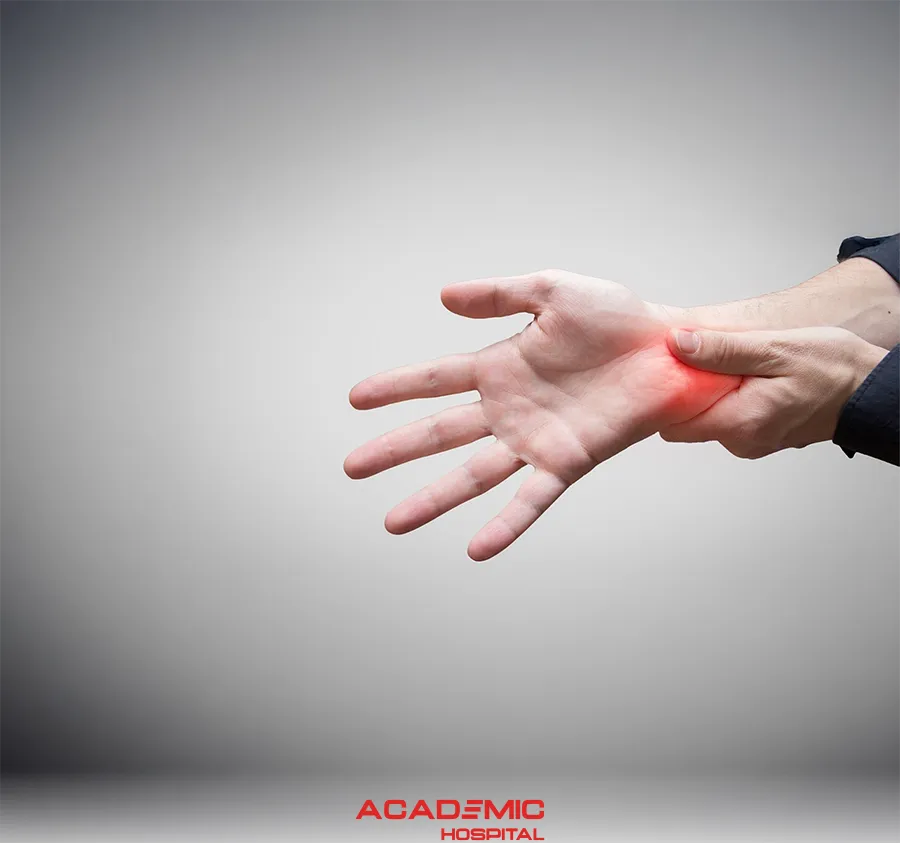
What Is Carpal Tunnel Syndrome? Symptoms and Treatment Methods
Contents
Carpal Tunnel Syndrome (CTS) is a nerve compression condition that may be seen in people who work at desks, frequently use the wrist or perform repetitive hand movements.
What Is Carpal Tunnel Syndrome?
The carpal tunnel is a narrow passage in the wrist through which the median nerve passes. The median nerve contributes to sensation in the thumb, index finger, middle finger and part of the ring finger, as well as some thumb movements. Carpal tunnel syndrome occurs when this nerve is compressed at the wrist level.
As pressure on the median nerve increases, numbness, tingling, night pain and, in advanced cases, hand weakness may occur.
What Causes Carpal Tunnel Syndrome?
This condition develops when pressure inside the carpal tunnel increases and compresses the median nerve. Repetitive hand and wrist movements, prolonged computer use in non-ergonomic conditions, keeping the wrist bent for long periods or using vibrating tools may worsen symptoms.
Wrist trauma, fractures or inflammatory diseases such as rheumatoid arthritis may also narrow the carpal tunnel region and cause nerve compression.
Diabetes, thyroid disorders and pregnancy may increase pressure in the canal through which the nerve passes and contribute to carpal tunnel syndrome.
People who work at desks, do manual work, perform repetitive hand movements or use the wrist frequently may be at increased risk.
You can contact us for evaluation if you have wrist numbness, night pain, tingling or hand weakness.
Book an AppointmentWhat Are the Symptoms of Carpal Tunnel Syndrome?
Symptoms usually begin gradually and may increase over time. Complaints may become more noticeable at night or when the wrist remains in the same position for a long time.
- Numbness and tingling in the hand and wrist, especially in the thumb, index and middle fingers
- Hand pain that wakes the person at night or the need to shake the hand
- Hand weakness and frequently dropping objects
- Progressively increasing wrist pain and burning sensation
- In advanced cases, weakness or thinning of the muscles at the base of the thumb
How Is Carpal Tunnel Syndrome Diagnosed?
Diagnosis is made through symptoms, wrist use history, physical examination findings and, when necessary, nerve conduction studies.
- Physical examination: The physician performs specific wrist tests and evaluates sensation and strength in the areas affected by the median nerve.
- EMG test and nerve conduction study: These tests help evaluate median nerve conduction and the degree of nerve compression.
- Ultrasound or MRI: These may be preferred in selected patients to evaluate masses, tendon sheath thickening, structural narrowing or other causes.
Differential diagnosis is important because similar numbness and weakness may also be related to cervical disc herniation, diabetic neuropathy or other nerve compression syndromes.
How Is Carpal Tunnel Syndrome Treated?
Treatment varies according to disease stage, degree of nerve compression, impact on daily life and accompanying conditions.
- Rest, activity modification and wrist splint: Avoiding wrist-straining movements, improving work ergonomics and using a splint that keeps the wrist in a neutral position especially at night may reduce symptoms.
- Medication: If considered appropriate by the physician, short-term medication may be planned to reduce pain and inflammation. Medication use should be individualized.
- Physical therapy and exercise: Nerve gliding exercises, stretching, wrist education and appropriate physical therapy approaches may support selected patients.
- Injection treatments: In suitable patients, corticosteroid injection into the carpal tunnel may provide temporary relief. This decision should be made after physician evaluation.
- Surgical intervention: In advanced cases, if weakness has developed or nonsurgical treatments are insufficient, carpal tunnel release surgery may be performed to release the tissue compressing the nerve.
When recognized early and treated appropriately, carpal tunnel syndrome may be controlled before serious problems develop. Paying attention to ergonomics and consulting a physician when symptoms appear are important for hand and wrist health.
Nighttime Hand Numbness May Suggest Carpal Tunnel Syndrome
Numbness, tingling, hand weakness or dropping objects may require EMG and specialist evaluation.
Frequently Asked Questions
References
- Academic Hospital. Karpal Tünel Sendromu Nedir? Belirtileri ve Tedavi Yöntemleri Nelerdir?
- AAOS OrthoInfo. Carpal Tunnel Syndrome
- Mayo Clinic. Carpal Tunnel Syndrome - Symptoms and Causes
- Mayo Clinic. Carpal Tunnel Syndrome - Diagnosis and Treatment