
 WhatsApp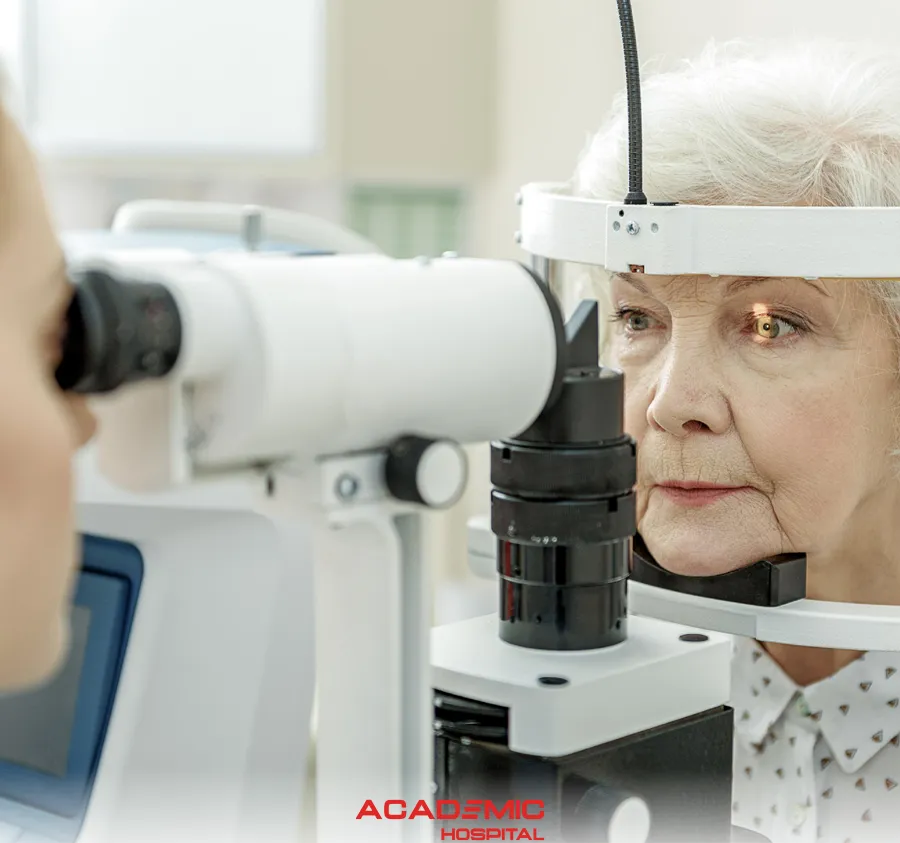
What Is a Cataract? Symptoms, Causes and Cataract Surgery
Contents
- What Is a Cataract?
- What Are the Symptoms of Cataracts?
- What Causes Cataracts?
- What Are the Risk Factors?
- How Are Cataracts Diagnosed?
- When Is Cataract Surgery Needed?
- How Are Cataracts Treated?
- How Is Cataract Surgery Performed?
- What Types of Intraocular Lenses Are Available?
- What Anaesthesia Is Used and How Long Does Surgery Take?
- What Is Recovery Like?
- What Are the Risks of Cataract Surgery?
- Can a Cataract Come Back?
- Can the Risk of Cataracts Be Reduced?
- When Should You See an Ophthalmologist?
- Frequently Asked Questions
A cataract is a clouding of the eye's natural lens. The normally clear lens focuses light onto the retina. As the lens becomes cloudy, light can no longer be focused as clearly and vision may progressively deteriorate.
Most cataracts develop as part of the natural ageing process, although diabetes, eye injury, certain medicines, ultraviolet exposure and other factors can contribute to cataracts developing earlier.
What Is a Cataract?
The natural lens sits behind the pupil and helps focus light onto the retina.
As a cataract develops, changes in the proteins and fibres within the lens cause it to lose transparency.
Vision may become:
- Cloudy
- Hazy
- Less colourful
- More affected by glare
Cataracts can occur in one or both eyes, but they do not spread from one eye to the other.
What Are the Symptoms of Cataracts?
Mild cataracts may initially cause no noticeable symptoms.
As they progress, symptoms may include:
- Cloudy or blurry vision
- Reduced visual clarity
- Faded or yellowish colours
- Difficulty seeing at night
- Increased sensitivity to headlights, lamps or sunlight
- Halos around lights
- Double or ghosted vision in one eye
- Frequent changes in glasses or contact-lens prescription
- Needing brighter light for reading
These symptoms can also occur with other eye conditions, so an eye examination is important.
What Causes Cataracts?
The most common cause is the natural change in the eye's lens that occurs with ageing.
Other types include:
Age-Related Cataracts
The most common type, caused by age-related changes in the natural lens.
Traumatic Cataracts
A significant eye injury can produce a cataract immediately or many years later.
Congenital and Childhood Cataracts
Some children are born with cataracts or develop them during childhood. Early assessment is particularly important because cataracts can interfere with visual development.
Radiation Cataracts
Exposure to certain forms of radiation can contribute to cataract formation.
What Are the Risk Factors for Cataracts?
- Increasing age
- Diabetes
- Smoking
- Excessive alcohol intake
- Family history of cataracts
- Previous eye injury
- Certain previous eye operations
- Long-term or high-dose corticosteroid treatment
- Prolonged ultraviolet exposure
- Certain types of radiation exposure
How Are Cataracts Diagnosed?
Cataracts are diagnosed during an ophthalmic examination.
Assessment may include:
- Visual-acuity testing
- Refraction
- Slit-lamp examination
- Dilated examination of the lens and retina
- Measurement of intraocular pressure
It is important to determine whether reduced vision is caused entirely by the cataract or whether retinal disease, glaucoma, corneal disease or another condition may also be limiting vision.
When Is Cataract Surgery Needed?
Finding a cataract does not automatically mean that surgery is required immediately.
Surgery may be appropriate when cataract-related vision problems interfere with:
- Reading
- Driving
- Work
- Television or screen use
- Mobility and using stairs safely
- Independent daily activities
The decision should also consider other eye diseases, general health and the patient's visual goals.
How Are Cataracts Treated?
Surgery is the treatment that removes a cataract.
During the early stages, vision may temporarily be improved by:
- Updating the glasses prescription
- Using brighter lighting
- Anti-glare sunglasses
- Magnification for reading
These measures do not make the cloudy natural lens clear again.
There is currently no established eye drop, vitamin or medication that reliably removes an existing cataract.
How Is Cataract Surgery Performed?
During cataract surgery, the cloudy natural lens is removed and replaced with a clear artificial intraocular lens (IOL).
A commonly used technique is phacoemulsification.
The main steps generally include:
- The pupil is dilated and anaesthesia is administered.
- A small corneal incision is created.
- An opening is made in the front of the natural lens capsule.
- Ultrasound energy breaks up the cloudy lens material, which is removed by suction.
- The lens capsule is preserved where possible.
- A foldable artificial intraocular lens is placed within the capsule.
Small incisions are often self-sealing and may not require stitches.
Why Are Eye Measurements Taken Before Surgery?
Before surgery, measurements known as biometry are used to calculate the power of the artificial lens.
Eye length, corneal curvature, astigmatism and the desired postoperative focus are considered when selecting an IOL.
What Types of Intraocular Lenses Are Available?
Monofocal IOLs
Monofocal lenses are the most commonly used type. They primarily provide one focal distance.
If distance vision is targeted, reading glasses may still be required for near tasks.
Toric IOLs
Toric lenses can reduce corneal astigmatism in appropriately selected patients.
Multifocal / Trifocal IOLs
These lenses aim to reduce dependence on glasses across distance, intermediate and near vision.
They are not suitable for every eye and some people may experience halos, glare or changes in contrast perception, particularly at night.
Extended Depth of Focus (EDOF) IOLs
EDOF lenses aim to provide an extended range of clear vision, particularly at distance and intermediate ranges. Reading glasses may still be needed for small print or close work.
No intraocular lens can guarantee complete independence from glasses at all distances in every patient.
What Anaesthesia Is Used and How Long Does Cataract Surgery Take?
Routine cataract surgery in adults is usually performed under local anaesthesia.
This may involve:
- Numbing eye drops
- A local anaesthetic injection around the eye
- Sedation when appropriate
The patient is usually awake and may notice light or movement but is unlikely to see the details of the procedure.
The surgical part of routine cataract surgery commonly takes approximately 20–45 minutes, although complexity and individual anatomy can alter the duration.
The overall time spent in hospital is longer because of preparation and postoperative observation.
What Is Recovery Like After Cataract Surgery?
Most routine cataract operations are performed as day-case procedures and patients can usually return home on the same day.
During the first hours or days, it is possible to experience:
- Temporary blurred vision
- Mild irritation or a gritty sensation
- Sensitivity to light
- Mild redness or watering
Vision often begins to improve within the first few days, while complete healing can take several weeks.
Prescribed postoperative eye drops should be used exactly as instructed.
What Should Be Avoided During Recovery?
Individual advice from the surgeon takes priority, but patients are generally advised to:
- Avoid rubbing the eye
- Use prescribed eye drops correctly
- Avoid getting potentially contaminated water directly into the eye
- Avoid swimming and strenuous exercise for the period advised
- Avoid driving until vision is adequate and medical advice permits it
- Attend follow-up appointments
Glasses may still be needed after surgery, and the final prescription is usually assessed once healing has stabilised.
What Are the Risks of Cataract Surgery?
Cataract surgery is commonly performed and improves vision for most patients, but no surgical procedure is completely risk-free.
Possible complications include:
- Intraocular infection
- Inflammation
- Corneal swelling
- Changes in intraocular pressure
- Macular oedema
- Retinal detachment
- Bleeding
- Problems with the position of the intraocular lens
- Residual refractive error
- Posterior capsule opacification
Pre-existing retinal, corneal, optic-nerve or other eye disease can limit the final visual result even when the cataract itself is successfully removed.
Severe or increasing eye pain, rapidly worsening vision, marked redness, new flashes of light, a sudden increase in floaters or a curtain-like shadow in the field of vision after surgery requires urgent ophthalmic assessment.
Can a Cataract Come Back After Surgery?
The original cataract cannot return after the cloudy natural lens has been removed.
However, months or years after surgery, the natural capsule behind the artificial lens can become cloudy. This is called posterior capsule opacification (PCO).
Although sometimes called a “secondary cataract”, it is not a new cataract.
PCO may cause:
- Renewed blurred vision
- Glare
- Reduced contrast
When vision is significantly affected, a short procedure called Nd:YAG laser capsulotomy can create a clear opening in the cloudy capsule.
Can the Risk of Cataracts Be Reduced?
There is no guaranteed way to prevent age-related cataracts, but measures that support eye health include:
- Wearing sunglasses that provide UV protection
- Using a brimmed hat during prolonged sun exposure
- Not smoking
- Managing diabetes appropriately
- Using protective eyewear where eye injury is possible
- Using corticosteroid medicines only as medically indicated
- Having appropriate eye examinations
When Should You See an Ophthalmologist?
An eye examination is appropriate if you develop:
- Progressively blurred vision
- Significant glare while driving at night
- Faded colour perception
- Frequent changes in glasses prescription
- Double vision in one eye
- Vision that is no longer adequate for reading or daily activities
Have Your Cataract and Vision Assessed
Blurred vision, glare at night or vision that interferes with daily activities can be assessed together with cataract severity, retinal health and surgical options.
Frequently Asked Questions
References
- Academic Hospital. Katarakt Nedir? Belirtileri, Nedenleri ve Tedavi Yöntemleri
- National Eye Institute. Cataracts
- National Eye Institute. Cataract Surgery
- National Institute for Health and Care Excellence. Cataracts in Adults: Management – Recommendations
- American Academy of Ophthalmology. Intraocular Lenses for Cataract Surgery
- American Academy of Ophthalmology. Posterior Capsulotomy
- NHS. Cataract Surgery