
 WhatsApp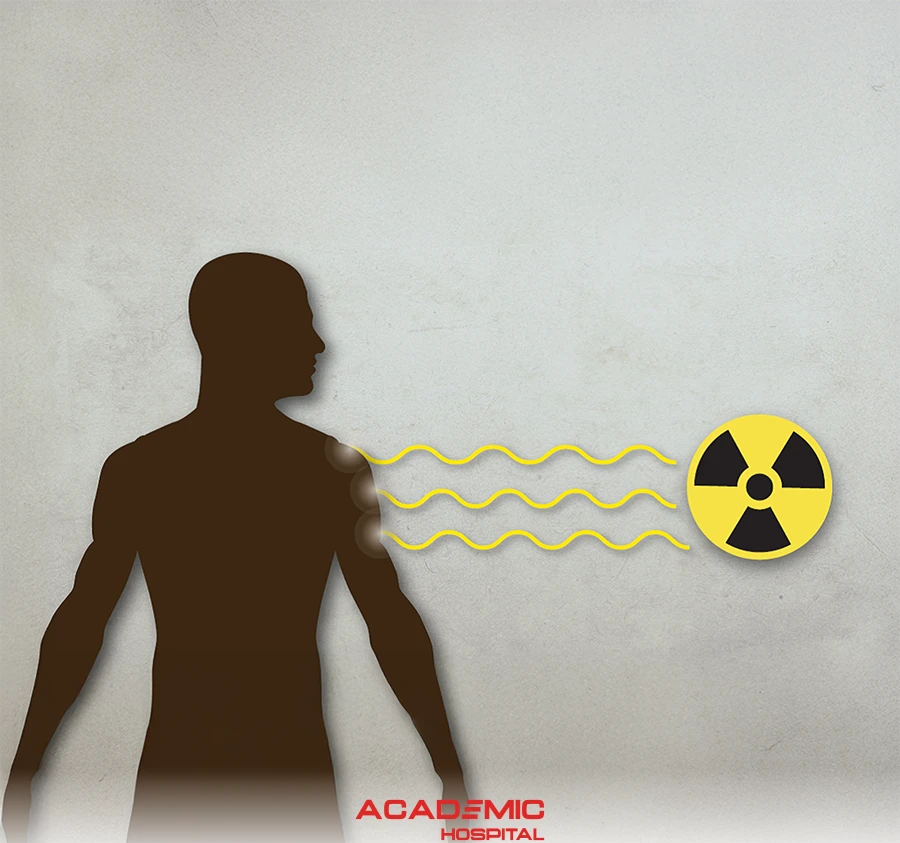
What Is Radiation? Types, Health Effects and Safety in Medical Imaging
Contents
What Is Radiation?
Radiation is the transfer of energy from one place to another through waves or particles. This energy, which is common in nature, may come from natural and artificial sources. Sunlight, radioactive substances in soil, X-rays used in medical imaging devices and technological tools such as mobile phones are examples of radiation sources.
Although radiation is often perceived as harmful, it is actually a phenomenon that appears in many areas of daily life in a controlled way. From a health perspective, the type of radiation, dose, exposure time, affected body region and the necessity of exposure are important.
What Are the Types of Radiation?
According to its energy level, radiation is divided into two main groups: ionizing and non-ionizing radiation. This classification is important for understanding the effects of radiation on living tissues.
1. Ionizing Radiation
Because it has sufficient energy, it can remove electrons from atoms and cause ion formation. This type of radiation may have harmful effects on cellular structures such as DNA.
- X-rays
- Gamma rays: High-energy electromagnetic waves.
- Alpha and beta particles
- Cosmic rays: High-energy particles from space; exposure increases at high altitudes.
This type of radiation is used particularly in medical diagnostic methods and radiotherapy.
2. Non-Ionizing Radiation
It carries too little energy to ionize atoms. It generally acts as heat or electromagnetic waves.
- Radio waves
- Microwaves
- Infrared rays
- Visible light
- Lower-energy part of ultraviolet (UV) radiation
- Electrical appliances and mobile phones: Technological devices operating with electromagnetic waves.
This type of radiation is a form of energy that we frequently encounter in daily life. Proper use and adequate distance may reduce risks.
What Are the Harmful Effects of Radiation?
Low doses usually do not cause obvious short-term harm, while high doses may cause cellular damage and long-term health problems.
Possible health effects may include skin redness, hair loss, reduced blood cell counts, skin dryness, scaling, effects on the thyroid gland and increased cancer risk. These effects vary according to radiation type, dose, exposure time and affected tissue.
What Is the Radiation Exposure Level for Health?
Radiation is a type of energy we are exposed to in many areas of daily life. The exposure level varies depending on the source, distance, region of residence, flight frequency, medical imaging history and exposure time.
Natural background radiation dose varies by country and region, but an average person’s annual natural background radiation exposure is commonly considered to be about 3 mSv. Some medical procedures may temporarily increase exposure.
For radiation workers, accepted occupational effective dose limits in international and national practice are generally arranged as 20 mSv per year averaged over 5 years, and 50 mSv in any single year. These limits apply to occupationally exposed workers, not to the general public.
What Are Radiation Doses in Medical Imaging?
Medical imaging doses may vary according to device type, imaging protocol, body region and patient characteristics. The values below are approximate and for general information:
| Examination | Approximate effective dose | Note |
|---|---|---|
| Chest X-ray | About 0.1 mSv | One of the lower-dose X-ray examinations. |
| Mammography | About 0.3–0.4 mSv | A low-dose imaging method used for breast cancer screening. |
| CT abdomen | About 8–15 mSv | May vary depending on protocol. |
| Chest CT | About 6–8 mSv | May vary with standard or low-dose protocol. |
| QCT (spine and hip) | About 1–3 mSv | May vary according to imaging region and protocol. |
Radiation Safety in Medical Imaging
Modern medical devices are designed to provide the highest image quality at the lowest possible dose. Special attention is required especially for children, pregnant women and radiation-sensitive individuals.
When clinically necessary, the benefit of radiological imaging may be much greater than the possible risks. Therefore, the medical necessity of the examination, alternative methods, expected diagnostic benefit and the patient’s individual situation should be evaluated together.
How Can You Protect Yourself from Radiation?
It is possible to take precautions against radiation sources to reduce health risks.
Exposure time should be kept as short as possible, distance from the source should be increased, and when necessary, physical barriers such as lead aprons, thyroid shields, gonad shields and lead barriers should be used. In medical imaging, unnecessary examinations should be avoided.
Radiation is a part of life. With conscious and controlled use, it facilitates human life in many medical and technological fields.
Medical Imaging Decisions Should Be Personalized
In radiological examinations, the aim is to obtain the necessary diagnostic information with a safe dose and the correct method.
Frequently Asked Questions
References
- RadiologyInfo. Radiation Dose from X-Ray and CT Exams
- RadiologyInfo. How Much Dose Do I Get from Different Procedures?
- U.S. Environmental Protection Agency. Calculate Your Radiation Dose
- FDA. Medical X-ray Imaging
- IAEA. Turkey Occupational Exposure Levels and Dose Registration System