
 WhatsApp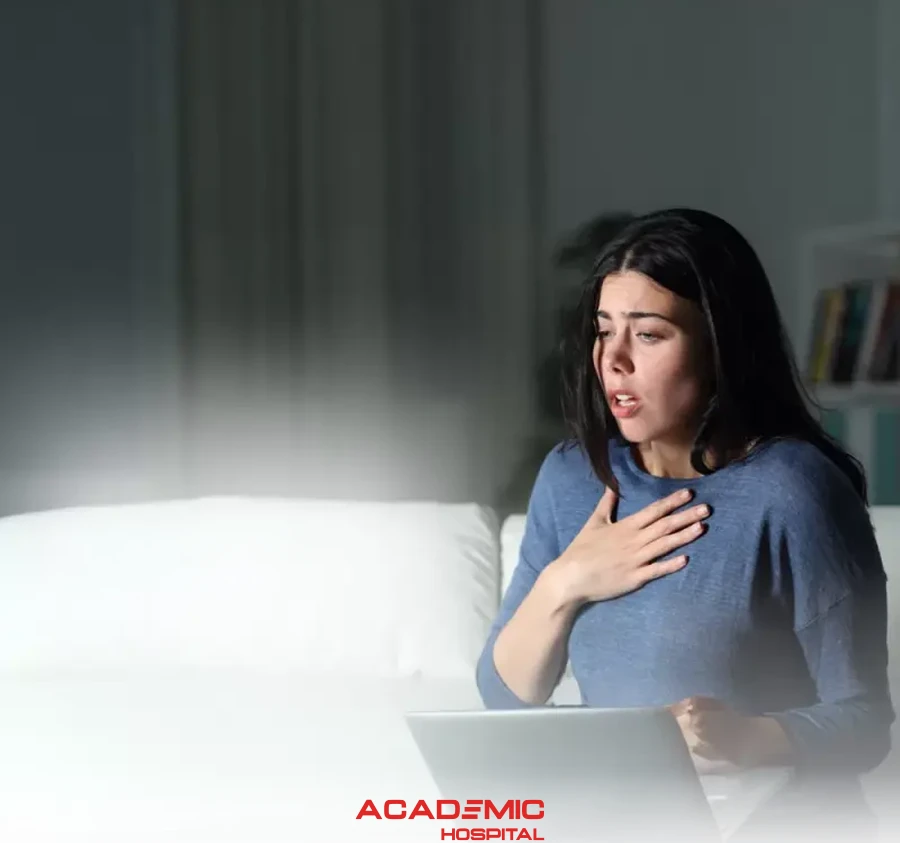
What Is a Panic Attack? Symptoms, Causes and Treatment Methods
Contents
What Is a Panic Attack?
A panic attack is a condition that starts suddenly and appears with intense fear, anxiety and physical symptoms that escalate within a few minutes. At that moment, the person may feel as if they are having a heart attack, about to faint or losing control.
What Are the Symptoms of a Panic Attack?
People experiencing panic attacks commonly have the following symptoms:
- Sudden intense fear and worry
- Palpitations and chest tightness
- Shortness of breath and choking sensation
- Sweating, trembling and hot flashes
- Dizziness or lightheadedness
- Numbness in the hands and feet
- Fear of losing control or fainting
- A feeling of “dying”
These symptoms can often be confused with heart or respiratory diseases. Therefore, evaluation by a specialist physician is important.
You can contact us for evaluation if panic attack symptoms affect daily life or if attacks recur.
Book an AppointmentWhat Causes Panic Attacks?
A panic attack occurs when the brain’s “danger” perception is excessively triggered even when there is no real threat. This may develop through the combination of many psychological, biological and environmental factors.
Stress and intense anxiety, trauma, genetic predisposition, chemical balance changes in the brain, thyroid and hormonal irregularities, stimulants such as excessive coffee, energy drinks, nicotine or certain medications, sleep irregularities, health anxiety and bodily sensitivity are among the causes of panic attacks.
However, panic attacks do not occur due to a single cause; they often develop as a result of a combination of personal triggers.
When Should You See a Doctor for Panic Attacks?
If symptoms have become more frequent or affect daily life, getting professional support is important.
- Attacks recur
- Fear of having another attack becomes persistent
- Work, school, social life or sleep is affected
- Physical symptoms such as chest pain, fainting or shortness of breath are prominent
- Caffeine, nicotine, substances or medication use increases symptoms
How Is a Panic Attack Diagnosed?
The specialist physician asks in detail when the attacks started, how long they last, what situations trigger them, which physical symptoms accompany them and how much they affect daily life.
Symptoms are evaluated according to international diagnostic criteria. If there are recurrent and unexpected attacks along with persistent anxiety after attacks, panic disorder may be considered.
Because panic attack symptoms can be confused with heart disease, thyroid problems, vitamin deficiencies or metabolic imbalances, the physician may request some tests when necessary. These tests are important to distinguish similar conditions caused by physical factors.
Stress level, sleep pattern, trauma, substance/caffeine use and family history are also evaluated. This analysis helps clarify the diagnosis and prepare a personalized treatment plan.
Panic Attack Treatment
Panic attack treatment is planned individually and often gives successful results. Treatment usually consists of:
- Psychotherapy: Cognitive behavioral therapy (CBT) is one of the most effective methods.
- Medication: Antidepressants or anxiolytics may be recommended by a specialist.
- Lifestyle adjustments: Reducing caffeine, improving sleep routine, breathing exercises and stress management are supportive practices.
With appropriate treatment, panic attacks can largely be brought under control and the person’s quality of life can improve significantly.
Do Not Delay Panic Attack Symptoms
Specialist evaluation is important if attacks recur, include intense fear of dying, palpitations, shortness of breath or anxiety that affects daily life.
Frequently Asked Questions
References
- National Institute of Mental Health. Panic Disorder: What You Need to Know
- Mayo Clinic. Panic Attacks and Panic Disorder - Diagnosis and Treatment
- NHS. Panic Disorder
- NICE. Generalised Anxiety Disorder and Panic Disorder in Adults: Management