
 WhatsApp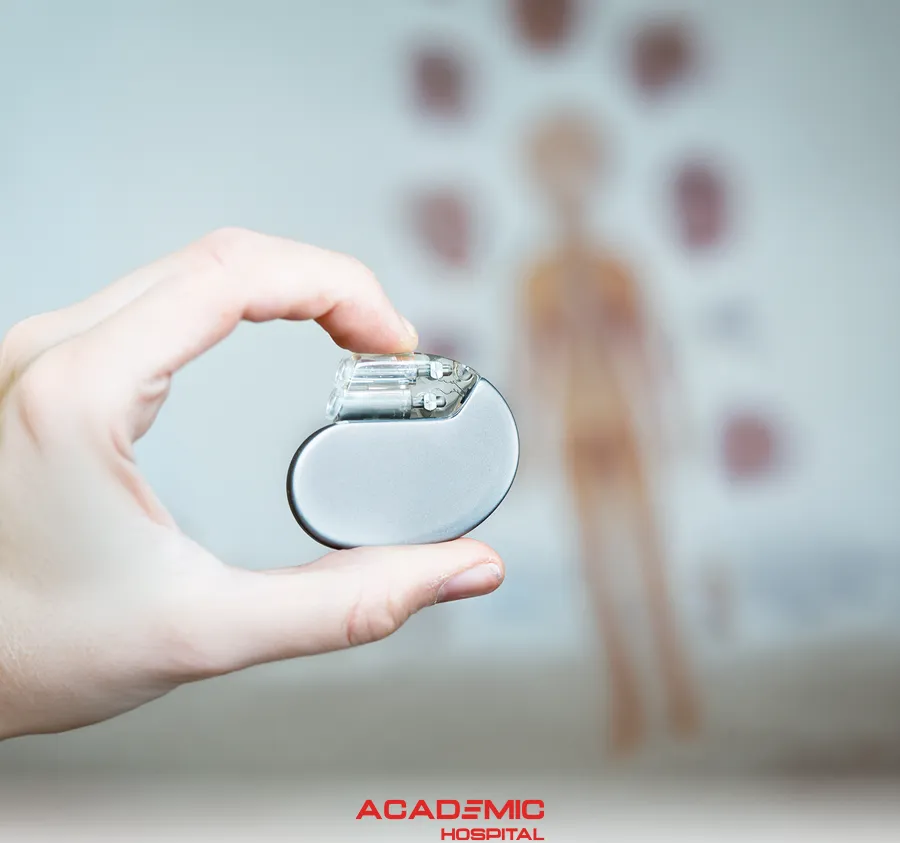
What Is a Pacemaker? In Which Conditions Is It Used?
Contents
A pacemaker is a small device implanted in the body that sends electrical impulses to regulate the heart rhythm. It is generally used to correct rhythm disorders that slow down the heartbeat or make it irregular.
In daily language, all implanted cardiac devices are often referred to as pacemakers. However, the device we specifically call a heart pacemaker is the “cardiac pacemaker”. Apart from this, there are two other devices: ICD (Implantable Cardioverter Defibrillator) and CRT (Cardiac Resynchronization Therapy).
Get information from our specialists for pacemakers, rhythm disorders and cardiology evaluation.
Book an AppointmentIn Which Conditions Is a Pacemaker Used?
A pacemaker is a device implanted when the heart rate drops below a certain level and when the patient develops certain symptoms and signs.
Normally, the heart rate is between 60 and 100 beats per minute. For example, if the heart rate falls below 40, if there are conduction problems in the heart, if no impulse is generated from the heart, or if pauses occur, the patient may present with complaints such as fainting, blackouts, staggering, weakness, exhaustion and fatigue. When the ECG shows that the pulse has dropped and that there is a conduction problem in the heart, a pacemaker may need to be implanted.
- Heart Block: This is a condition in which communication between the upper and lower chambers of the heart is impaired or completely interrupted. A pacemaker regulates heartbeats by providing stimulation at a certain rate determined by the programmer.
ICD (Implantable Cardioverter Defibrillator): This is a device implanted when the patient has life-threatening rhythm disorders such as ventricular fibrillation or ventricular tachycardia, and when the contraction power of the heart falls below 35%. When the patient is exposed to these life-threatening rhythms, the device corrects the rhythm and helps the patient return to life. When a very serious rhythm disorder that may cause death occurs, the device detects it and delivers an internal electric shock to return the patient’s heart rhythm to a normal and stable state.
Ventricular Fibrillation or Ventricular Tachycardia: The literal meaning of ventricular fibrillation is trembling like a leaf. The heart loses its normal contraction pattern and trembles like a leaf. In this situation, contraction is not possible and blood pressure cannot be maintained. If an electric shock is not delivered in the early period after it occurs, the patient may be lost. Ventricular tachycardia is another life-threatening rhythm disorder that can turn into ventricular fibrillation. In this condition, the patient may initially be conscious, but if it progresses to ventricular fibrillation, the patient loses consciousness; the ICD activates, delivers a shock and rescues the patient from this life-threatening condition.
CRT (Cardiac Resynchronization Therapy): This is a device used especially in patients with heart failure. It is used in advanced heart failure patients when the contraction power of the heart, meaning the ejection fraction, falls below 35%, when there is severe contraction disorder, and when left bundle branch block is also present on ECG. This device may also include ICD and pacemaker functions together.
Three electrodes are placed inside the heart. One is placed in the right atrium, another in the right ventricle, and the third electrode is placed in the vessel called the coronary sinus so that both ventricles are stimulated at the same time. With this device, the contraction power of the heart is increased and valve insufficiency is reduced. The patient’s heart failure signs and symptoms decrease, and exercise capacity increases. The patient’s exercise capacity and complaints improve significantly.
Situations that may require urgent evaluation:
- Fainting or recurrent feeling of nearly fainting
- Shortness of breath, chest pain or marked palpitations
- Shock sensation in a patient with a device, redness, swelling or discharge at the device site
- Sudden weakness, confusion or suspected rhythm disorder
How Long Does a Pacemaker Last?
The battery works when needed. When the patient’s heart rate drops below a certain level, the battery is activated. When the patient’s heart rate rises above a certain level, the pacemaker goes into standby mode. The lifespan of a pacemaker may generally vary depending on the type of battery and how it is used. A standard pacemaker can usually last between 5 and 10 years. However, battery life may vary from person to person and depending on pacemaker use.
One feature of pacemakers is that they can sense when the patient starts walking or climbing stairs.
How Does the Pacemaker Implantation Process Work?
During pacemaker implantation, one or more electrodes are usually inserted into the vein through an approximately 10 cm incision under the left collarbone. This electrode is placed in the right atrium or ventricle of the heart. If CRT is to be implanted, a third electrode must also be placed in the coronary sinus. The electrode is necessary to stimulate the right ventricle of the heart. The device is implanted under the skin.
The procedure does not require general anesthesia; it is performed under local anesthesia while communicating with the patient. The procedure takes approximately 45 minutes to 1 hour. Since it raises the patient’s heart rate to a certain level, it improves quality of life. ICD and CRT devices are devices that reduce the patient’s risk of death.
Can a Patient with a Pacemaker Continue Daily Life Comfortably?
Many people with pacemakers can live a normal life and remain active. A pacemaker may improve quality of life by regulating the heart rhythm and supporting heart functions. People with pacemakers can generally continue their daily activities, exercise and live a normal life.
However, it is important for people with pacemakers to attend regular check-ups and maintenance recommended by their physicians. It is also important that they consult their physicians about whether certain sports and activities are appropriate.
In order to undergo MRI, an MRI-compatible device must be implanted. Otherwise, MRI scans are not suitable for these patients. X-ray, tomography and angiography can be performed.
In conclusion, pacemaker, ICD and CRT help regulate heart rhythm and support heart functions in the presence of serious arrhythmia; they improve the patient’s quality of life and reduce the risk of death.
Do Not Delay Pacemaker and Rhythm Disorder Complaints
You can book an appointment with Academic Hospital specialists for a personalized assessment and the necessary treatment plan.
Frequently Asked Questions
References
The general information in this article about pacemakers, ICD, CRT, the implantation process and daily life recommendations is supported by the following reliable health sources.
- Mayo Clinic, “Pacemaker”, mayoclinic.org
- American Heart Association, “Pacemaker”, heart.org
- American Heart Association, “Implantable Cardioverter Defibrillator (ICD)”, heart.org
- American Heart Association, “Cardiac Resynchronization Therapy (CRT)”, heart.org
- Mayo Clinic, “Implantable cardioverter-defibrillators (ICDs)”, mayoclinic.org