
 WhatsApp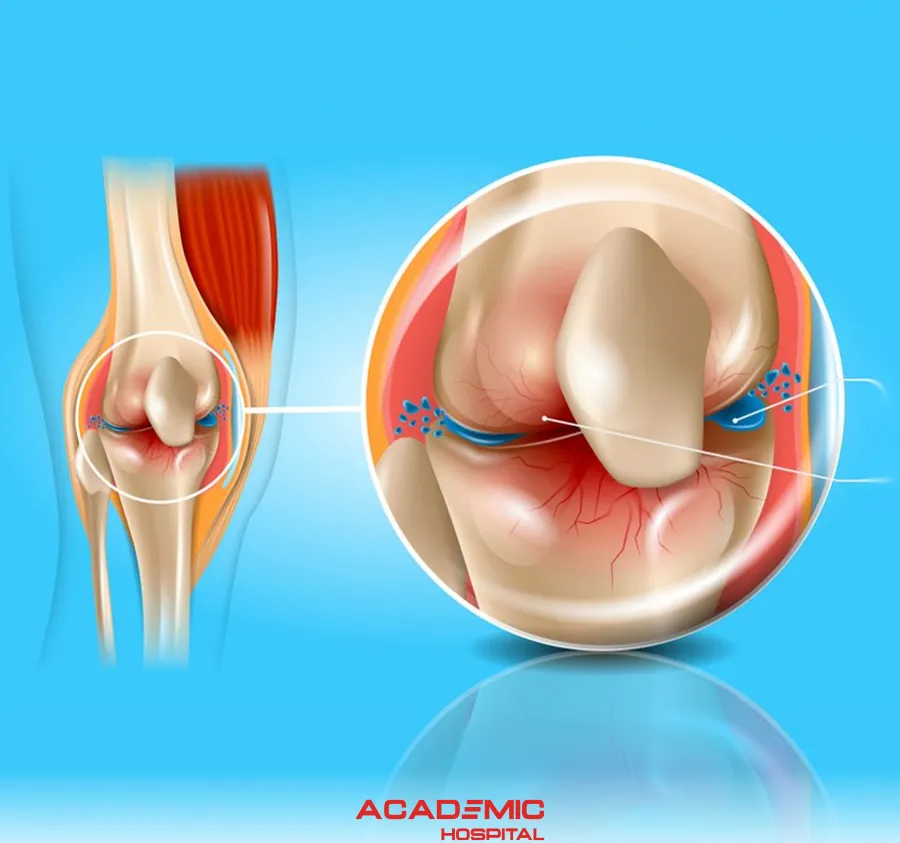
What Is Osteoarthritis? Symptoms, Causes and Treatment Options
Contents
- What Is Osteoarthritis?
- Which Joints Are Commonly Affected?
- What Are the Symptoms?
- What Causes Osteoarthritis?
- What Are the Risk Factors?
- How Is Osteoarthritis Diagnosed?
- How Is Osteoarthritis Treated?
- What Is the Role of Exercise and Physiotherapy?
- Does Weight Loss Help?
- Which Medicines Are Used?
- Do Joint Injections Help?
- Do PRP and Stem Cell Treatments Work?
- When Is Surgery Considered?
- Can Progression Be Reduced?
- When Should You See a Doctor?
- Frequently Asked Questions
Osteoarthritis (OA) is a chronic joint disease sometimes described as degenerative joint disease.
Osteoarthritis is not simply “wearing away of cartilage”. It is a whole-joint condition that can affect:
- Articular cartilage
- Subchondral bone
- Synovium
- Joint capsule
- Ligaments
- Muscles surrounding the joint
What Is Osteoarthritis?
In a healthy joint, cartilage covers the ends of the bones and helps distribute load while allowing smooth movement.
In osteoarthritis, structural and biological changes can develop throughout the joint. Cartilage may deteriorate, subchondral bone can remodel, osteophytes may form and low-grade inflammation of the synovium can occur.
The condition does not progress at the same rate in everyone. Radiographic changes and the severity of pain do not always correspond closely.
Which Joints Are Commonly Affected?
Osteoarthritis can affect many joints, but commonly involves:
- Knees
- Hips
- Hands and fingers
- Joints of the spine
What Are the Symptoms of Osteoarthritis?
Symptoms often develop gradually and may fluctuate over time.
Common symptoms include:
- Joint pain
- Reduced range of movement
- Pain that increases with activity or loading
- Short-lived stiffness after rest
- Tenderness
- Swelling
- Crepitus or a grating sensation during movement
- Muscle weakness
- Joint deformity in advanced disease
In advanced osteoarthritis, pain can also occur at rest or during the night.
Does Joint Cracking Mean Osteoarthritis?
No. Joint popping or cracking on its own does not diagnose osteoarthritis.
It becomes more clinically relevant when accompanied by pain, swelling, reduced movement or functional limitation.
What Causes Osteoarthritis?
There is no single cause. Osteoarthritis can develop through a combination of genetic, mechanical, metabolic and inflammatory mechanisms.
In some people no clear initiating event is identified, while in others previous joint injury or another joint disease contributes to its development.
What Are the Risk Factors?
- Increasing age
- Overweight or obesity
- Previous joint injury
- Previous meniscal or ligament injury
- Repeated heavy joint loading
- Certain occupational or sporting activities
- Genetic susceptibility
- Certain congenital joint abnormalities
- Other joint diseases such as rheumatoid arthritis or gout
- Certain metabolic diseases
How Is Osteoarthritis Diagnosed?
Diagnosis is based on symptoms, medical history and physical examination.
Assessment may include:
- Location and pattern of pain
- Activities that aggravate symptoms
- Stiffness after rest
- Range of movement
- Muscle strength
- Swelling or deformity
- Walking and daily function
Imaging is not always required when the clinical presentation is typical.
What Can an X-Ray Show?
When required, X-rays may demonstrate:
- Joint-space narrowing
- Osteophytes
- Subchondral bone changes
- Joint deformity
MRI is not routinely required for every patient with osteoarthritis and may be reserved for atypical symptoms, locking, instability or suspected additional pathology.
How Is Osteoarthritis Treated?
Treatment is individualised and aims to:
- Reduce pain
- Maintain or improve movement
- Improve muscle strength
- Maintain daily activities
- Reduce disability
- Maintain quality of life
Management usually combines exercise, weight management where appropriate, medicines when required, assistive devices, selected injections and surgery for advanced disease.
What Is the Role of Exercise and Physiotherapy?
Therapeutic exercise is a core treatment for osteoarthritis.
An individual programme may include:
- Muscle strengthening
- Range-of-motion exercises
- Aerobic exercise
- Balance training
- Walking
- Cycling
- Swimming or aquatic exercise
Some discomfort can occur when exercise is first started, but appropriately prescribed regular exercise can improve pain and function over time.
Does Weight Loss Help Osteoarthritis?
For people who are overweight or have obesity, weight loss can reduce pain and improve physical function, particularly in knee and hip osteoarthritis.
Reducing body weight decreases mechanical loading of weight-bearing joints and may also affect metabolic and inflammatory mechanisms associated with osteoarthritis.
Which Medicines Are Used for Osteoarthritis?
Medication should be selected according to the affected joint, severity of symptoms, age and gastrointestinal, kidney and cardiovascular risks.
Topical NSAIDs
Topical non-steroidal anti-inflammatory medicines can be used for pain relief, particularly for knee osteoarthritis, with lower systemic exposure than oral treatment.
Oral NSAIDs
Oral NSAIDs may reduce pain in suitable patients, but gastrointestinal bleeding, kidney injury, increased blood pressure and cardiovascular risks need to be considered.
Medicines should support rather than replace exercise and function-focused management.
Do Joint Injections Help Osteoarthritis?
Corticosteroid Injections
Intra-articular corticosteroid injections can provide short-term pain relief for selected patients.
The need for injection, frequency and potential risks should be assessed individually.
Hyaluronic Acid
International guidelines differ in some details regarding hyaluronic-acid injections.
NICE does not recommend routinely offering intra-articular hyaluronan for osteoarthritis, and the ACR guideline does not support routine use for knee osteoarthritis.
It should not be presented as a treatment that regenerates cartilage or reverses osteoarthritis.
Do PRP and Stem Cell Treatments Work?
PRP and stem-cell injections should not be described as proven standard treatments that regenerate cartilage or cure osteoarthritis.
PRP studies use different preparation methods, platelet concentrations, injection schedules and patient populations, making results difficult to standardise.
The American College of Rheumatology/Arthritis Foundation guideline recommends against PRP injections for knee and hip osteoarthritis.
The same guideline recommends against stem-cell injections for knee and hip osteoarthritis.
Claims that stem cells reliably rebuild cartilage or that PRP cures osteoarthritis are not supported by established clinical evidence. Evidence, cost, potential risks and standard treatment options should be considered before undergoing these procedures.
When Is Surgery Considered?
Surgery may be considered when non-surgical treatment has been appropriately tried and the patient continues to have:
- Severe persistent pain
- Significantly reduced walking ability
- Major limitation of daily activities
- Marked restriction of joint movement
- Significant joint deformity
Partial or total joint replacement can reduce pain and improve mobility in appropriately selected patients with advanced knee or hip osteoarthritis.
The decision should consider pain, functional limitation, quality of life and patient expectations rather than X-rays alone.
Does Arthroscopy “Clean Out” Osteoarthritis?
Arthroscopic lavage or debridement solely to treat osteoarthritis is not routinely recommended.
The approach may differ when a separate mechanical lesion or another specific surgical indication is present.
Can Osteoarthritis Progression Be Reduced?
Osteoarthritis cannot always be prevented or reversed, but modifiable risk factors can be addressed.
Measures that support joint health include:
- Regular physical activity
- Maintaining muscle strength
- Maintaining a healthy body weight
- Preventing joint injuries
- Appropriate rehabilitation after sports injuries
- Reducing repeated excessive joint loading
- Managing associated conditions such as diabetes
When Should You See a Doctor?
Medical assessment is appropriate when:
- Joint pain lasts for several weeks
- Walking or climbing stairs becomes difficult
- Joint movement progressively decreases
- Pain interferes with sleep or daily activities
- Joint deformity develops
- Symptoms persist despite treatment
Sudden severe joint pain, marked redness, warmth, rapidly developing swelling or fever are not typical features of osteoarthritis. Urgent assessment may be required for conditions such as gout or joint infection.
Have Your Joint Pain and Mobility Assessed
Pain, reduced movement or difficulty with daily activities in the knee, hip or other joints can be assessed for osteoarthritis and other joint conditions.
Frequently Asked Questions
References
- Academic Hospital. Osteoartrit (Kireçlenme) Nedir? Belirtileri ve Tedavi Yöntemleri Nelerdir?
- World Health Organization. Osteoarthritis
- National Institute for Health and Care Excellence. Osteoarthritis in Over 16s: Diagnosis and Management
- American College of Rheumatology / Arthritis Foundation. Guideline for the Management of Osteoarthritis of the Hand, Hip and Knee
- National Institute of Arthritis and Musculoskeletal and Skin Diseases. Osteoarthritis: Diagnosis, Treatment and Steps to Take