

 WhatsApp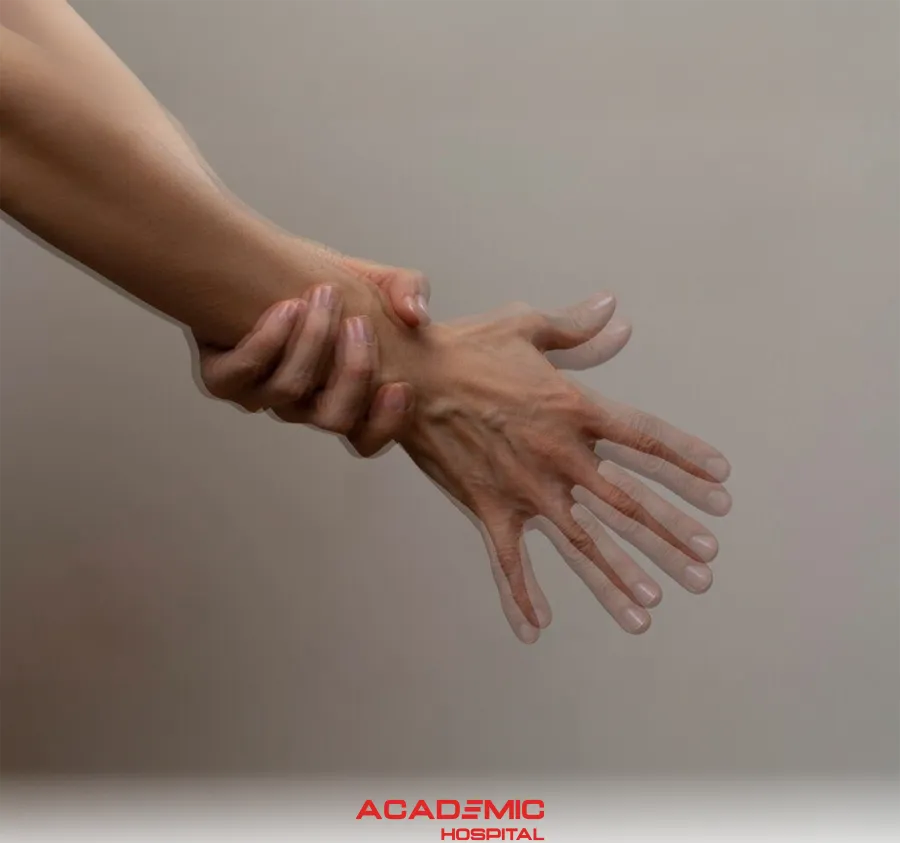
What Is Hand Tremor? Causes and Treatment Methods
Contents
Hand tremor is a symptom that may develop for many different reasons and may affect daily life. Some tremors increase with temporary factors such as stress, fatigue, hunger or caffeine, while others may be related to neurological, metabolic or medication-related causes.
What Is Tremor?
Tremor is an involuntary, rhythmic and repetitive movement that affects a body part or limb. It is most commonly noticed in the hands, but it may also involve the head, voice, jaw, arms, legs or trunk.
What Is Hand Tremor?
Hand tremor is involuntary, rhythmic muscle movement in the hands and fingers. It can occur at different ages. It may become more noticeable while writing, holding a cup, using cutlery, buttoning clothes or performing tasks that require fine hand control.
Common Causes of Hand Tremor
- Physiologic tremor: Stress, fatigue, lack of sleep, hunger, low blood sugar and caffeine may increase tremor.
- Essential tremor: A tremor type that usually becomes prominent with movement or while holding a posture, often affects both hands and may be associated with family history.
- Parkinson’s disease: Often associated with tremor at rest, but Parkinson’s disease is not limited to tremor. Slowness of movement, muscle stiffness and balance problems may also occur.
- Thyroid disease: Overactivity of the thyroid gland, or hyperthyroidism, may cause hand tremor.
- Medications and substances: Some medications, sudden alcohol withdrawal, stimulants or substance use may trigger tremor.
- Central nervous system disorders: Multiple sclerosis, stroke, brain injury or different movement disorders may cause tremor.
You can contact us for neurology evaluation if hand tremor affects your daily life or has recently started.
Book an AppointmentHow Is Hand Tremor Diagnosed?
Diagnosis begins with a comprehensive evaluation by a neurologist. The physician asks when the tremor started, what makes it better or worse, whether it occurs at rest or with movement, whether it is one-sided or bilateral and how much it affects daily life.
Medication use, caffeine and alcohol intake, family history, thyroid disease, diabetes, neurological disorders and accompanying symptoms are also important. Physical and neurological examination evaluates muscle strength, reflexes, coordination, balance, slowness of movement and muscle stiffness.
Blood tests may assess thyroid function, blood sugar or metabolic causes. When needed, imaging methods such as MRI or CT may be used to exclude or evaluate brain-related causes. Imaging is not necessary for every patient; the decision depends on examination findings.
Hand Tremor Treatment Methods
Treatment depends on the underlying cause of tremor and how much it affects daily life. The same treatment is not used for every tremor.
- Lifestyle changes: Reducing stress, limiting caffeine, sleeping regularly, avoiding hunger and keeping a trigger diary may reduce physiologic tremor.
- Treating the underlying condition: If thyroid disease, medication side effect or metabolic disorder is identified, treatment focuses first on that cause.
- Medication: In essential tremor or other tremor types, medicines recommended by a neurologist may be used.
- Physical and occupational therapy: These may support muscle control, daily activities and fine hand skills.
- Advanced treatment options: In selected essential tremor cases that seriously affect daily life and do not respond adequately to medication, advanced treatments such as deep brain stimulation may be considered.
When Should You See a Doctor for Hand Tremor?
A neurology evaluation is recommended if hand tremor affects daily life, starts suddenly, worsens over time, is clearly one-sided or occurs with other symptoms.
Situations that may require faster evaluation:
- Sudden onset of tremor
- Weakness, numbness, speech difficulty or weakness in the face, arm or leg
- Balance problems, walking difficulty or frequent falls
- Dizziness, confusion or severe headache
- Marked worsening of tremor after starting a new medication
The Correct Diagnosis Determines the Treatment Plan
Tremor type, duration, relationship with rest or movement, medications and accompanying neurological signs should be evaluated together.
Frequently Asked Questions
References
- Academic Hospital. El Titremesi Nedir? Sebepleri ve Tedavi Yöntemleri
- MedlinePlus. Tremor
- Mayo Clinic. Essential Tremor - Symptoms and Causes
- Mayo Clinic. Essential Tremor - Diagnosis and Treatment
- Cleveland Clinic. Tremor: Causes and Treatment
- Song P, Zhang Y, Zha M, Yang Q, Ye X, Yi Q, Rudan I. The global prevalence of essential tremor, with emphasis on age and sex: A meta-analysis. J Glob Health. 2021;11:04028.