
 WhatsApp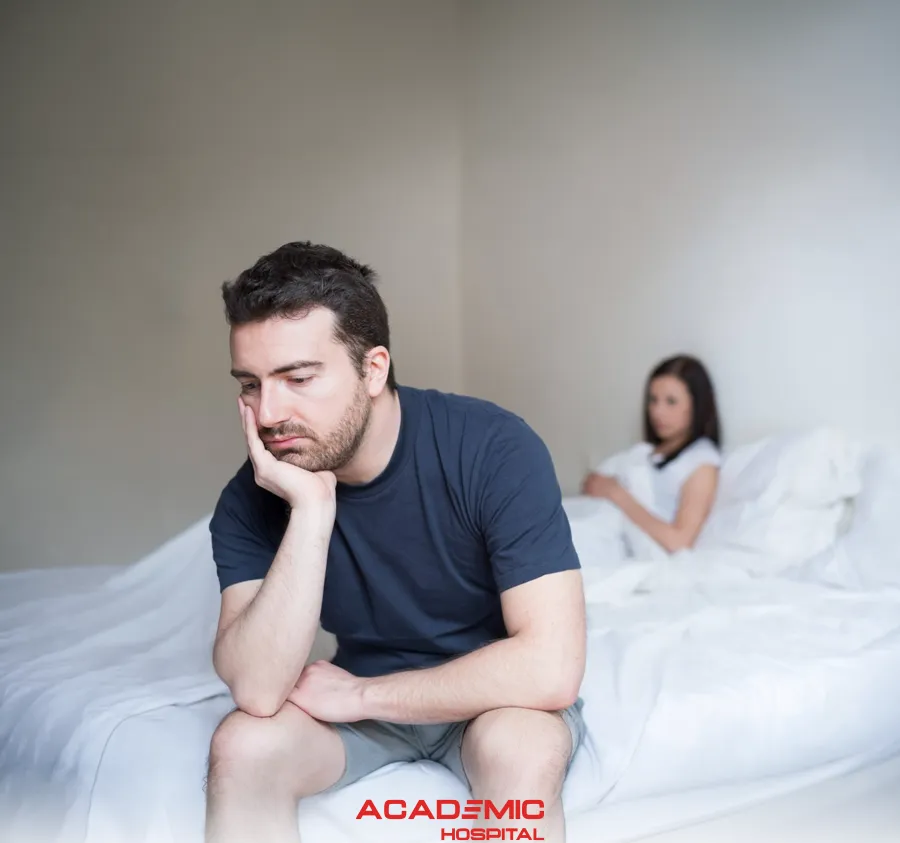
What Is Erectile Dysfunction? Causes, Symptoms and Treatment
Contents
Although it can be seen at any age, it occurs more frequently in men after the age of 40. However, this condition is not a “natural consequence of aging” and is often a sign of an underlying health problem. Temporary problems from time to time may be considered normal; however, if this condition recurs frequently or becomes persistent, it should be evaluated.
What Is Erectile Dysfunction?
Erectile dysfunction is the inability to achieve or maintain an erection sufficient for sexual intercourse. Medically known as erectile dysfunction, it usually occurs when adequate blood flow to the penis cannot be achieved or maintained.
What Causes Erectile Dysfunction?
Erection problems are usually not due to a single cause. Physical and psychological factors may act together.
1. Physical (Organic) Causes
- Vascular diseases, such as atherosclerosis and hypertension
- Diabetes
- Hormonal disorders, such as low testosterone
- Obesity and sedentary lifestyle
- Smoking and alcohol use
- Some medications, such as blood pressure medicines and antidepressants
- Nervous system diseases
- Heart diseases
In particular, erectile problems may be an early sign of cardiovascular disease.
2. Psychological Causes
Psychological causes may be more prominent in younger age groups.
- Performance anxiety
- Stress and intense work life
- Depression
- Relationship problems
- Traumatic experiences
You can receive urology evaluation to determine the cause of erectile dysfunction symptoms.
Book an AppointmentWhat Are the Symptoms of Erectile Dysfunction?
- No erection occurring at all
- Erection disappearing in a short time
- Inability to achieve sufficient firmness
- Decreased sexual desire
How Is Erectile Dysfunction Diagnosed?
The diagnosis of erectile dysfunction is made through a multidimensional evaluation to correctly identify the underlying cause. The diagnostic process covers both physical and psychological factors.
- Detailed patient history: This is the most important step in diagnosis. The physician evaluates when the complaints started and how often they occur, whether an erection can be achieved or maintained, whether morning erections are present, medications used and existing chronic diseases, as well as smoking, alcohol and lifestyle habits.
- Physical examination: General health status and urological evaluation are performed. Penis and testicle examination may be performed; the vascular and nervous systems are evaluated, blood pressure is measured and obesity status is analyzed through body mass index (BMI).
- Laboratory tests: Blood tests may be requested to identify underlying diseases. These tests may include testosterone level, blood sugar, cholesterol and lipid profile, and kidney and liver function tests. In some cases, erectile dysfunction may be the first sign of diabetes or cardiovascular disease.
- Psychological evaluation: When necessary, psychological evaluation is performed. Stress, anxiety and depression levels are reviewed; performance anxiety is questioned and relationship dynamics are assessed. This step is especially important in younger patients.
- Advanced diagnostic methods: When needed, penile Doppler ultrasonography may be used to evaluate penile vascular structure and blood flow. In addition, the nocturnal penile tumescence (NPT) test, which measures nighttime erections, may help distinguish whether the problem is physical or psychological.
How Is Erectile Dysfunction Treated?
Treatment for erectile dysfunction is planned according to the cause of the problem. When the correct diagnosis is made, it is possible to achieve successful results today with effective and personalized treatment options.
- Lifestyle changes
- Medication treatment
- Psychological support and sex therapy
- Vacuum devices
- Injection treatments
- Shock wave therapy (ESWT) – in suitable patients after specialist evaluation
- Surgical treatment (penile prosthesis)
Get Evaluated for Erectile Dysfunction
Recurrent or persistent erectile problems should be evaluated for diabetes, vascular diseases, hormonal disorders or psychological factors.
Frequently Asked Questions
References
- NIDDK. Erectile Dysfunction (ED)
- NIDDK. Diagnosis of Erectile Dysfunction
- NIDDK. Treatment for Erectile Dysfunction
- Mayo Clinic. Erectile dysfunction - Symptoms and causes
- Cleveland Clinic. Erectile Dysfunction