
 WhatsApp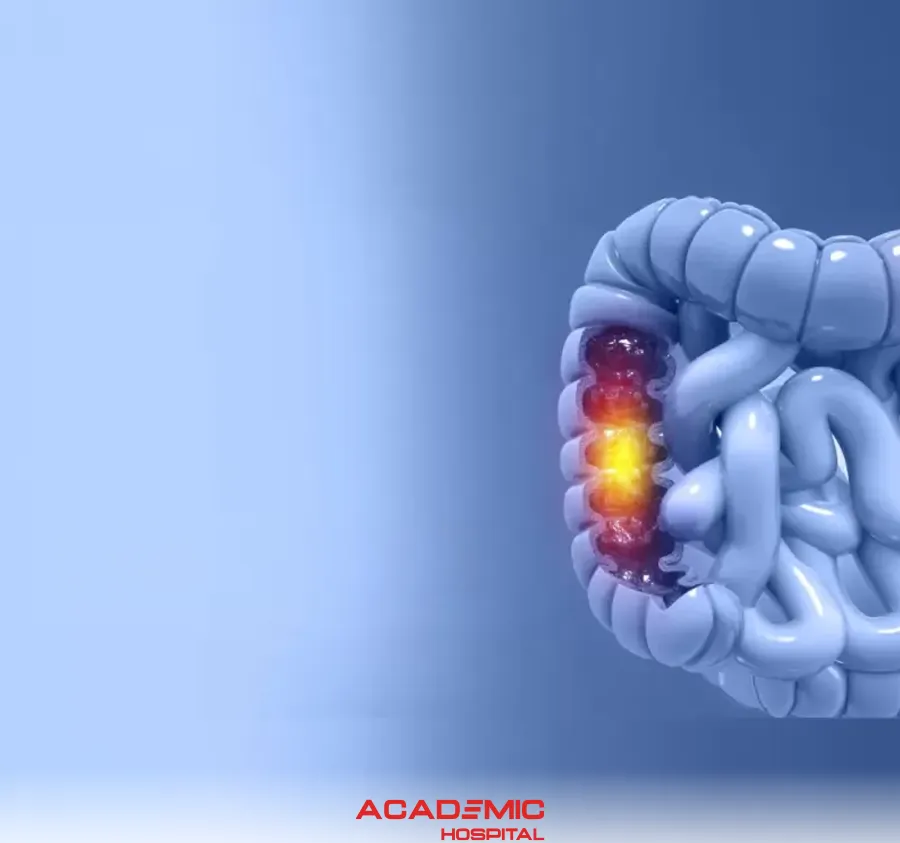
What Is Colorectal Cancer? Symptoms, Diagnosis and Treatment Methods
Contents
Colorectal cancer, which is among the common cancer types worldwide, can be treated to a large extent when detected at an early stage. It is most commonly seen after the age of 45. However, in recent years, its frequency has also increased among young adults.
What Is Colorectal Cancer?
Colorectal cancer refers to malignant tumors that develop from the cells lining the inner surface of the colon and rectum. It usually arises when small, benign growths called “polyps” on the inner surface of the intestine transform into cancer over time.
How Does Colorectal Cancer Start?
In most cases, the process progresses as follows:
Normal cell → Polyp → Advanced dysplasia → Cancer
This transformation usually occurs over 5–10 years. In other words, the body actually provides a long “early intervention opportunity.” The colon is the last part of the digestive system. Its function is to absorb water and shape stool. Cells in this area constantly renew themselves. If DNA damage occurs during this renewal process, cells may begin to multiply uncontrollably and cancer may develop. Colorectal cancer often progresses slowly. This is a major advantage, because with regular screening it can be detected and removed at the polyp stage before becoming cancerous.
What Are the Symptoms of Colorectal Cancer?
It may often cause no symptoms in the early stage. The most common symptoms include:
- Change in bowel habits, such as constipation, diarrhea or narrowing of stool diameter
- Blood in the stool, bright red or dark colored
- Abdominal pain and bloating
- Unexplained weight loss
- Persistent fatigue and anemia
- Feeling of incomplete bowel emptying
These symptoms may also be seen in other diseases. However, they should be taken seriously, especially in individuals over 40.
How Is Colorectal Cancer Diagnosed?
The most important point in diagnosing colorectal cancer is early diagnosis. This disease may progress for a long time without symptoms. Both screening tests and imaging and endoscopic methods are used in the diagnostic process.
- Colonoscopy: Colonoscopy is one of the most reliable methods in the diagnosis of colorectal cancer. The entire colon is examined with a thin and flexible device with a camera at its tip. Removing polyps may help prevent cancer before they transform into cancer. For this reason, colonoscopy is not only a diagnostic method but also a preventive and therapeutic method.
- Biopsy: In large, broad-based polyps that are difficult to remove, diagnosis can be made by biopsy. The most appropriate treatment option is then applied.
- Fecal occult blood test: Some tumors in the intestine may cause microscopic bleeding. This test helps detect that bleeding. It is a simple and rapid screening test, but it does not establish diagnosis on its own. When the result is positive, evaluation with colonoscopy is usually required.
- Imaging methods: After cancer suspicion or diagnosis, imaging methods may be used to assess the spread of the disease. Computed tomography (CT), magnetic resonance imaging (MRI) and PET-CT may be considered. These methods are used to evaluate tumor size, spread to surrounding tissues and whether there is metastasis to other organs.
You can contact us for colorectal cancer screening, colonoscopy or risk assessment.
Book an AppointmentWhat Are the Stages of Colorectal Cancer?
Staging in colorectal cancer is performed to determine how far the disease has progressed in the intestinal wall, whether it has spread to lymph nodes and whether it has metastasized to other parts of the body. Stage information is one of the most important factors in creating the treatment plan. Colorectal cancer is generally staged from 0 to 4.
How Is Colorectal Cancer Treated?
Colorectal cancer treatment is planned according to the cancer stage, the location of the tumor in the intestine, the patient’s general health condition and the spread of the cancer. Treatment often requires a multidisciplinary approach in which more than one method is used together. The main treatment methods are surgery, chemotherapy, radiotherapy and, in some cases, targeted therapies. Treatment for each patient is planned individually according to the patient’s condition.
Early Diagnosis Is Vital in Colorectal Cancer
Specialist evaluation is important in the presence of changes in bowel habits, blood in stool, unexplained weight loss, anemia or family history.
Frequently Asked Questions
References
- American Cancer Society. Colorectal Cancer Guideline
- American Cancer Society. Colorectal Cancer Screening Guidelines
- NCI. Colon Cancer Treatment (PDQ®)
- CDC. Colorectal Cancer