
 WhatsApp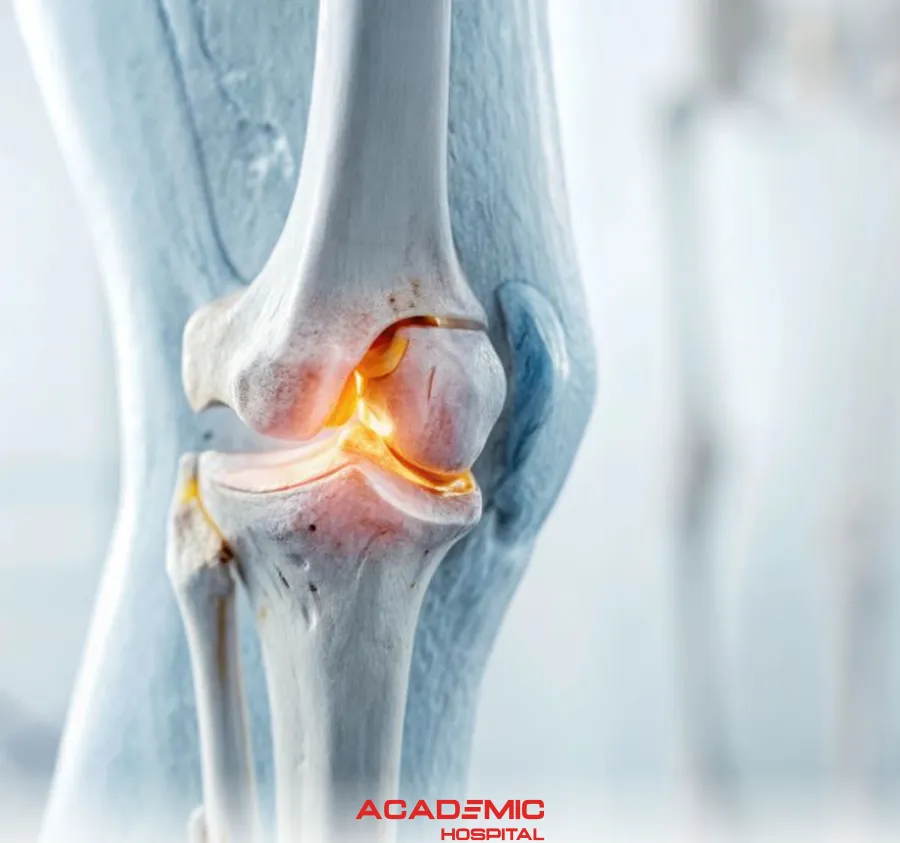
What Is Chondromalacia Patella? Runner's Knee Symptoms, Causes and Treatment
Contents
- What Is Chondromalacia Patella?
- What Is Runner's Knee?
- Are Chondromalacia and Runner's Knee the Same Condition?
- What Causes Patellofemoral Pain?
- Who Is at Risk?
- Can It Be Genetic?
- What Are the Symptoms?
- What Are the Grades of Chondromalacia Patella?
- How Is It Diagnosed?
- Is MRI Always Required?
- How Is It Treated?
- Which Exercises Are Used?
- When Can You Return to Running?
- Is Surgery Required?
- When Should You See a Doctor?
- Frequently Asked Questions
Chondromalacia patella describes structural softening, surface irregularity or varying degrees of damage to the articular cartilage on the back of the kneecap.
Patellofemoral pain is a clinical pain condition felt around or behind the kneecap and typically aggravated by activities that load the patellofemoral joint, such as running, squatting, climbing stairs, jumping or sitting with the knee bent for a prolonged period. It is often called runner's knee.
What Is Chondromalacia Patella?
Articular cartilage covers the back of the patella and helps it move with low friction along the trochlear groove of the femur while distributing load through the joint.
Chondromalacia may involve:
- Cartilage softening
- Surface irregularity
- Fissures
- Partial-thickness cartilage loss
- Full-thickness cartilage loss in advanced lesions
The term chondromalacia does not by itself explain a person's pain. Pain can arise from pain-sensitive structures around the patellofemoral joint rather than from cartilage itself.
What Is Runner's Knee?
Patellofemoral pain is pain around or behind the kneecap that is aggravated by activities that load the patellofemoral joint.
Although it is often called runner's knee because it is common among runners, it also occurs in non-runners, adolescents and people whose normal activities involve repeated squatting or stair use.
Are Chondromalacia Patella and Runner's Knee the Same Condition?
Not exactly.
Chondromalacia describes structural change in the cartilage behind the kneecap. Patellofemoral pain syndrome is primarily a clinical pain condition defined by symptoms and examination findings.
Therefore:
- A patient with patellofemoral pain may also have chondromalacia.
- Patellofemoral pain can occur without significant cartilage damage.
- Chondromalacia can be visible on MRI in a person who has little or no pain.
This distinction helps avoid basing treatment solely on an MRI appearance.
What Causes Patellofemoral Pain?
There is no single cause. Patellofemoral pain is considered a multifactorial condition.
Contributing factors may include:
- A rapid increase in running, jumping or squat-based training
- Sudden changes in training volume or intensity
- Reduced quadriceps strength or capacity
- Reduced hip-muscle strength or movement control
- Patellofemoral anatomy and tracking characteristics in some people
- Previous patellar dislocation or knee injury
- Activity loads that exceed current tissue and muscle capacity
A single explanation such as “the kneecap is moving incorrectly” or “the bones are rubbing together” does not accurately describe every patient.
Who Is at Risk?
Patellofemoral pain is particularly common in young and physically active people.
Factors that can be associated with its development include:
- Participation in running and jumping sports
- Rapid increases in training load
- A previous episode of anterior knee pain
- Certain strength and movement-control characteristics
- Certain anatomical characteristics
Patellofemoral pain is reported more frequently in females and young female athletes. This cannot be explained simply by lower muscle mass; biomechanics, anatomy, training load and other factors may contribute.
Can Chondromalacia Patella Be Genetic?
Chondromalacia patella and patellofemoral pain are not considered single-gene inherited disorders.
However, inherited anatomical characteristics can influence patellofemoral loading, including:
- Trochlear shape
- Patellar position
- Joint mobility
- Lower-limb anatomy
Training load, physical activity, previous injuries and muscular capacity also remain important.
What Are the Symptoms?
The characteristic symptom is pain around or behind the kneecap.
Pain can increase with:
- Going up or down stairs
- Running
- Jumping
- Squatting
- Kneeling
- Sitting with the knee bent for long periods
Crepitus or a grinding sensation may also occur. However, joint sounds alone do not prove cartilage damage.
True locking, marked instability, major swelling after trauma or inability to bear weight are not typical features of uncomplicated patellofemoral pain. Other knee conditions may need to be investigated.
What Are the Grades of Chondromalacia Patella?
Patellar cartilage damage can be described using systems such as the classic Outerbridge classification.
- Grade I: Early cartilage softening and swelling.
- Grade II: More limited fissures or surface irregularity.
- Grade III: Deeper or more extensive cartilage fissures and partial-thickness loss.
- Grade IV: Full-thickness cartilage loss with exposure of underlying subchondral bone.
How Is Patellofemoral Pain Diagnosed?
Diagnosis is primarily based on medical history and physical examination.
Assessment may include:
- Location of pain
- Activities that provoke symptoms
- Pain during squatting and stair use
- Knee and hip strength
- Hip, knee and ankle mobility
- Movement control during walking, running or squatting
- The patella and surrounding structures
There is no single physical examination test that definitively diagnoses patellofemoral pain. Findings are interpreted together while considering other causes of anterior knee pain.
Is MRI Always Required?
No. Imaging is not always necessary in a patient with a typical clinical presentation of patellofemoral pain.
X-ray or MRI may be useful when there is:
- An atypical clinical presentation
- A history of significant trauma
- True locking or instability
- Concern about an osteochondral lesion
- Persistent symptoms despite appropriate management
- Consideration of surgery
MRI can assess the patellar and trochlear cartilage, bone marrow, menisci, ligaments and other soft tissues.
How Is Chondromalacia Patella and Runner's Knee Treated?
The first-line approach to patellofemoral pain is usually non-surgical.
Management is built around:
- Patient education
- Activity and load management
- Individualised exercise therapy
Activities that repeatedly provoke significant pain may need to be temporarily reduced, but prolonged complete rest is generally avoided. The aim is to maintain tolerable activity and progressively rebuild capacity.
Appropriate pain-relieving medication can be considered for selected patients after medical assessment.
Patellar Taping and Bracing
Patellar taping may provide short-term pain relief in selected patients when used as an adjunct to exercise.
Braces are not required for everyone and should not replace rehabilitation.
Foot Orthoses
Prefabricated foot orthoses may be useful as part of treatment for selected patients, particularly where an immediate symptomatic benefit is identified.
Custom foot orthoses are not required for every person with patellofemoral pain.
Which Exercises Are Used?
Current evidence supports knee-focused and hip-focused exercise as core components of treatment.
An individual programme may include:
- Quadriceps strengthening
- Hip abductor and extensor strengthening
- Hip external-rotator strengthening
- Controlled squat and step exercises
- Single-leg movement control
- Balance and neuromuscular training
- Mobility or flexibility work when indicated
The appropriate exercises and loading level vary between patients. Rehabilitation aims to progressively improve the capacity of the joint and muscles while keeping symptoms at an acceptable level.
When Can You Return to Running?
There is no universal fixed return-to-running period.
Factors considered include:
- Symptoms during daily activities being controlled
- Ability to tolerate stairs and squatting
- Improved knee and hip capacity
- Acceptable symptoms while running
- No substantial prolonged flare after activity
Running distance, speed, hills and overall weekly load should be increased gradually.
Gait retraining, including changes in running cadence, may be useful for selected runners and should be individualised.
Is Surgery Required?
Most people with patellofemoral pain do not require surgery.
Surgery may be considered in selected situations involving:
- A significant focal cartilage or osteochondral defect
- Recurrent patellar dislocation or instability
- Important structural patellofemoral abnormalities
- Persistent selected problems despite appropriate non-operative management
The surgical procedure depends on the underlying problem. Cartilage-restoration procedures, instability surgery and bony realignment procedures have different indications.
An MRI report of “chondromalacia” alone is not an indication for surgery.
When Should You See a Doctor?
Assessment is appropriate when:
- Anterior knee pain continues for several weeks
- Pain prevents running or sport
- Stair climbing or squatting becomes difficult
- Symptoms fail to improve despite appropriate activity modification
- There is recurrent patellar dislocation or giving-way
Rapid major swelling after trauma, inability to bear weight, true locking, obvious deformity, joint redness and warmth or fever requires more urgent medical assessment.
Have Your Anterior Knee Pain Assessed
Pain around the kneecap during running, stair use or squatting can be assessed together with patellofemoral function and other knee structures.
Frequently Asked Questions
References
- Academic Hospital. Kondromalazi Patella (Koşucu Dizi) Nedir? Belirtileri, Nedenleri ve Tedavi Yöntemleri
- Neal BS, et al. Best Practice Guide for Patellofemoral Pain Based on Synthesis of a Systematic Review, the Patient Voice and Expert Clinical Reasoning. British Journal of Sports Medicine, 2024.
- Willy RW, et al. Patellofemoral Pain: Clinical Practice Guidelines. Journal of Orthopaedic & Sports Physical Therapy.
- Ophey M, et al. Dutch Multidisciplinary Guideline on Anterior Knee Pain.
- Collins NJ, et al. Consensus Statement on Exercise Therapy and Physical Interventions for Patellofemoral Pain.
- van der Heijden RA, et al. Patellofemoral Cartilage Findings in Patients With Patellofemoral Pain.