
 WhatsApp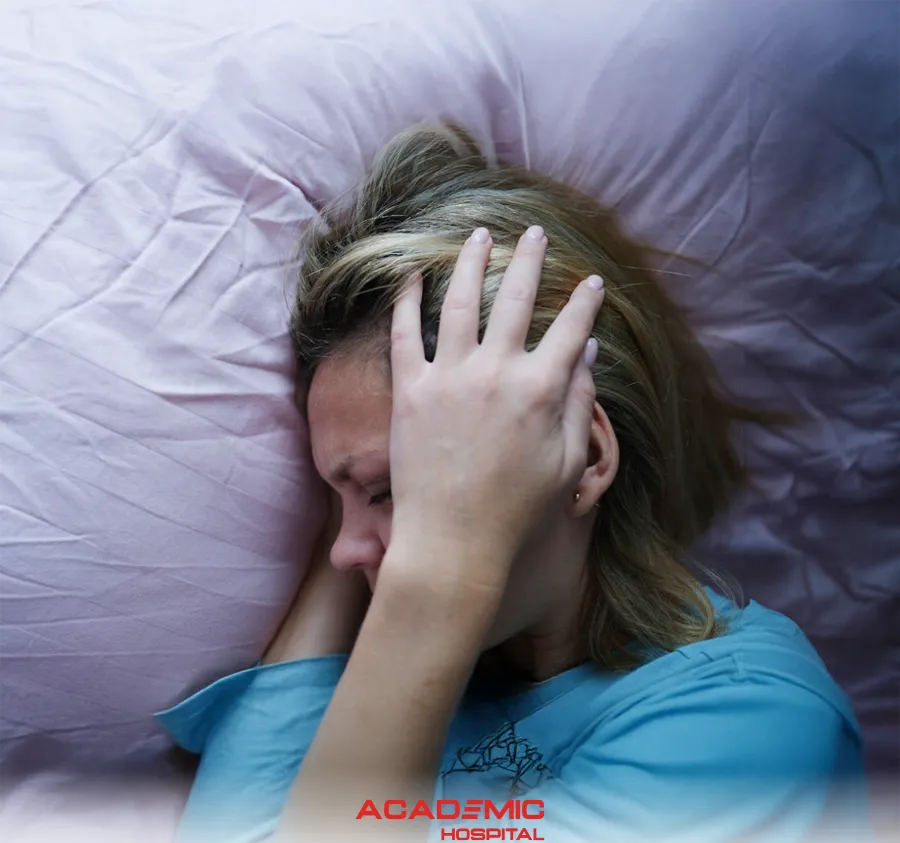
What Is Meningitis?
Contents
Meningitis is a serious infection that can affect people of all ages. Therefore, when symptoms are noticed, consulting a doctor immediately is vitally important.
It is possible to prevent meningitis by paying attention to vaccines and hygiene rules.
What Is Meningitis?
Meningitis is a serious infectious disease that occurs when the membranes in the brain and spinal cord (meninges) become inflamed. This inflammation can cause pressure on the brain and spinal cord, leading to very serious symptoms in the body.
Meningitis, which can develop due to bacterial, viral and, in rarer cases, fungal causes, is a rapidly progressing disease that requires urgent treatment.
Do Not Delay Meningitis Suspicion and Pediatric Health Complaints
In complaints such as high fever, severe headache, neck stiffness, confusion, vomiting, rash or deterioration in general condition, you can receive an evaluation from pediatric specialists.
What Are the Symptoms of Meningitis?
Symptoms of meningitis may vary depending on age and the condition of the immune system. However, common symptoms are:
- High fever
- Severe headache
- Neck stiffness
- Nausea and vomiting
- Sensitivity to light
- Confusion or coma
- A rash on the body. (Especially in meningitis associated with meningococcal bacteria)
What Are the Types of Meningitis?
Meningitis is divided into various types according to its cause.
- Bacterial Meningitis: It is one of the most dangerous types of meningitis and can lead to serious health problems. Neisseria meningitidis and Streptococcus pneumoniae bacteria are most commonly responsible.
- Viral Meningitis: It usually has a milder course and often resolves on its own. Enteroviruses are the most common cause.
- Fungal Meningitis: It is very rare and is seen in individuals with weakened immune systems. Fungi such as Cryptococcus can cause this infection.
- Parasitic Meningitis: It is rare and is usually transmitted from waterborne parasites. The treatment process can be quite difficult.
How Is Meningitis Diagnosed?
In the diagnosis of meningitis, physical examination, the patient’s symptoms and medical history are evaluated. However, some tests must be performed for a definitive diagnosis.
- Blood Tests: Blood tests are used to determine the source of the infection.
- Cerebrospinal Fluid (CSF) Examination: Lumbar puncture (taking fluid from the lower back) is performed for a definitive diagnosis.
- Imaging Tests: The effects of meningitis on the brain can be examined with imaging techniques such as MRI (magnetic resonance imaging) or CT (computed tomography).
How Is Meningitis Treated?
Meningitis treatment varies according to the microorganism causing the infection:
- Bacterial Meningitis Treatment: Antibiotic treatment is started quickly. Corticosteroids may be used in severe cases.
- Viral Meningitis Treatment: Antiviral drugs and supportive treatments (adequate fluid intake, pain relievers) are used.
- Fungal Meningitis Treatment: Antifungal drugs are preferred.
- Parasitic Meningitis Treatment: Supportive treatment is generally applied because the treatment process is difficult.
What Are the Ways to Prevent Meningitis?
- Vaccination: Meningococcal, pneumococcal and Haemophilus influenzae type B (Hib) vaccines are recommended, especially for children.
- Hygiene: Washing hands frequently helps prevent the transmission of germs.
- Healthy lifestyle: Balanced nutrition and regular sleep are important for keeping the immune system strong.